If you’ve ever sat down for a bite of food and suddenly felt one side of your jaw puff up like it’s trying to store snacks for winter,
congratulations: you may have met the not-so-magical world of a clogged salivary duct. It’s annoying. It can hurt. And it has the
worst timingbecause it often shows up right when your mouth is about to start producing extra saliva (aka: the exact moment you want to enjoy lunch).
The good news: many minor blockagesespecially small salivary stones (sialoliths) or thick saliva plugscan improve with simple,
conservative steps at home. The important news: some situations need a dentist, primary care clinician, or ENT specialist, especially if infection
is brewing or the blockage won’t budge.
In this guide, you’ll get three straightforward, low-drama methods to encourage saliva flow and help a stuck duct clear itselfplus what symptoms
should make you stop the DIY routine and get checked out.
Quick refresher: what’s a salivary duct, and why does it clog?
Your major salivary glands (parotid, submandibular, and sublingual) make saliva, which travels through tiny tubes called ducts into your mouth.
When a duct gets blocked, saliva backs up, and the gland may swell and acheoften right before or during meals, because your saliva production
ramps up when you smell, think about, or start chewing food.
Common reasons saliva gets “stuck”
- Salivary stones (sialolithiasis): hardened mineral deposits that form in the duct or gland.
- Thick saliva or mucus plugs: more likely when you’re dehydrated or have dry mouth.
- Duct narrowing or inflammation: swelling can reduce the “pipe” diameter.
- Infection (sialadenitis): can happen after blockage, or contribute to it.
- Dry mouth triggers: dehydration, smoking, some medications, and certain health conditions.
Typical symptoms of a blocked salivary duct
- Swelling under the jaw, in the cheek, or under the tongue
- Pain that worsens at mealtimes (the “why now?!” pattern)
- Dry mouth or reduced saliva on one side
- Bad taste, salty taste, or grit-like sensation
- Tenderness in the gland area
Before you start: a 30-second safety check
Home care is for mild symptoms and suspected minor blockages. If any of the following are happening, skip the self-treatment marathon and get medical
help soon (same day if severe):
- Fever or feeling generally ill
- Pus or foul drainage into the mouth
- Rapidly worsening swelling or redness
- Trouble opening your mouth, swallowing, or breathing
- Facial weakness, numbness, or a persistent lump
- Severe pain that isn’t improving
Also: do not try to “dig out” anything with sharp objects. The duct opening is delicate, and injury can invite infection. If you can visibly see a
stone at the duct opening, a clinician can advise the safest way to handle it.
Way #1: Turn on the saliva faucet (hydration + sour stimulation)
The simplest way to clear a salivary duct is to increase saliva flow. Think of it like flushing a sink drain: you want steady, gentle movement of
fluid to help push a small stone or thick plug forward.
Step-by-step
- Start with water. Take several slow sips. If your mouth is very dry, keep water nearby and sip regularly.
-
Add a “sialogogue.” This is a fancy word for “something that makes you salivate.” Classic options:
- Sugar-free lemon drops
- Sour, sugar-free hard candies
- Sugar-free gum (especially tart flavors)
-
Use it strategically. Try 5–10 minutes of gentle saliva stimulation, then move to warm compress + massage (Way #2).
The combo works better than random tactics scattered like confetti.
Why it works
More saliva means more pressure and flow through the duct. Small salivary stones often resolve with conservative measures like hydration and tart
candies that stimulate saliva, especially when paired with heat and massage.
Smart tips (so your teeth don’t file a complaint)
- Go sugar-free when possiblesour + sugar is a cavity party.
- Rinse with water afterward to reduce acid exposure, especially if you’re using sour candy.
- If you have significant acid reflux, mouth sores, or enamel issues, consider milder stimulation (sugar-free gum) and lean more on heat + massage.
Way #2: Warm compress + gentle “milking” massage
Heat helps in two ways: it encourages saliva flow and can relax tissues around the duct. Massage then helps guide saliva (and sometimes a small stone)
toward the duct opening.
Find the likely gland first
- Parotid gland: along the cheek area in front of the ear (often swells in the cheek).
- Submandibular gland: under the jawline (often swells under the jaw or in the floor of the mouth).
- Sublingual gland: under the tongue (less commonly involved with stones, but can feel tender under the tongue).
Step-by-step routine (10–15 minutes total)
-
Moist heat for 5–10 minutes. Use a warm (not hot) wet washcloth. Re-warm as needed.
Aim for comfortable warmththis is not a test of bravery. -
Massage gently toward the duct opening.
- For cheek swelling (parotid): use your fingertips to massage from near the ear forward along the cheek toward the mouth.
- For under-jaw swelling (submandibular): massage from the back of the jaw area forward toward the chin and the floor of the mouth.
- Think “toothpaste tube,” not “rage-squeeze.” You’re aiming for steady, gentle pressure. Aggressive squeezing can worsen swelling.
- Follow with saliva stimulation. Pop in a sugar-free lemon drop or chew sugar-free gum for a few minutes to keep flow going.
What success can look like
- A sudden “gush” of saliva on that side
- A gritty taste (a small stone may have passed)
- Swelling gradually softening or shrinking over the next hour
- Less meal-triggered pain
When to stop this method
Stop and get checked if pain spikes sharply, swelling worsens quickly, or you notice pus, fever, or increasing redness. Those patterns suggest you may
be dealing with infection or a blockage that needs professional removal.
Way #3: Calm inflammation and keep the “plumbing” clean (salt water + oral hygiene + smart pain relief)
This method is the supportive sidekick that makes the first two work better. Even if the blockage is small, inflammation can narrow the duct opening
and slow drainage. Meanwhile, a dry mouth or bacterial buildup can increase the chance of infection.
Do these for 24–48 hours
-
Warm salt-water rinses (if comfortable): mix about 1/2 teaspoon of salt into a cup of warm water and swish gently.
This can soothe the mouth and support moisture. - Excellent oral hygiene: brush and floss regularly, especially if you’ve had reduced saliva (saliva normally helps protect teeth).
-
Anti-inflammatory pain relief (if safe for you): an over-the-counter NSAID like ibuprofen can reduce pain and swelling for many people.
If you can’t take NSAIDs, follow your clinician’s guidance for alternatives. -
Skip the “dry mouth villains” temporarily: smoking, alcohol, and not drinking enough fluids. If you’re relying on caffeine, balance it
with extra water.
Why this matters for unclogging
The goal isn’t just comfort. Lower inflammation can mean a slightly wider, less irritated duct openingmaking it easier for saliva to flow and for a
small obstruction to pass. Good mouth care also reduces bacterial load, which matters because a blocked gland can become infected.
How long should you try home methods?
For mild symptoms and suspected minor blockage, you can usually try these conservative steps for a short windowthink a day or twowhile watching
closely for improvement. If you’re not improving, if symptoms keep recurring, or if mealtimes reliably trigger swelling and pain, it’s time to get
evaluated. Some stones are simply too large or positioned in a way that needs office-based removal.
What a dentist or ENT can do if it won’t unclog
If the blockage doesn’t clear, clinicians have several options depending on size and location of the stone or narrowing:
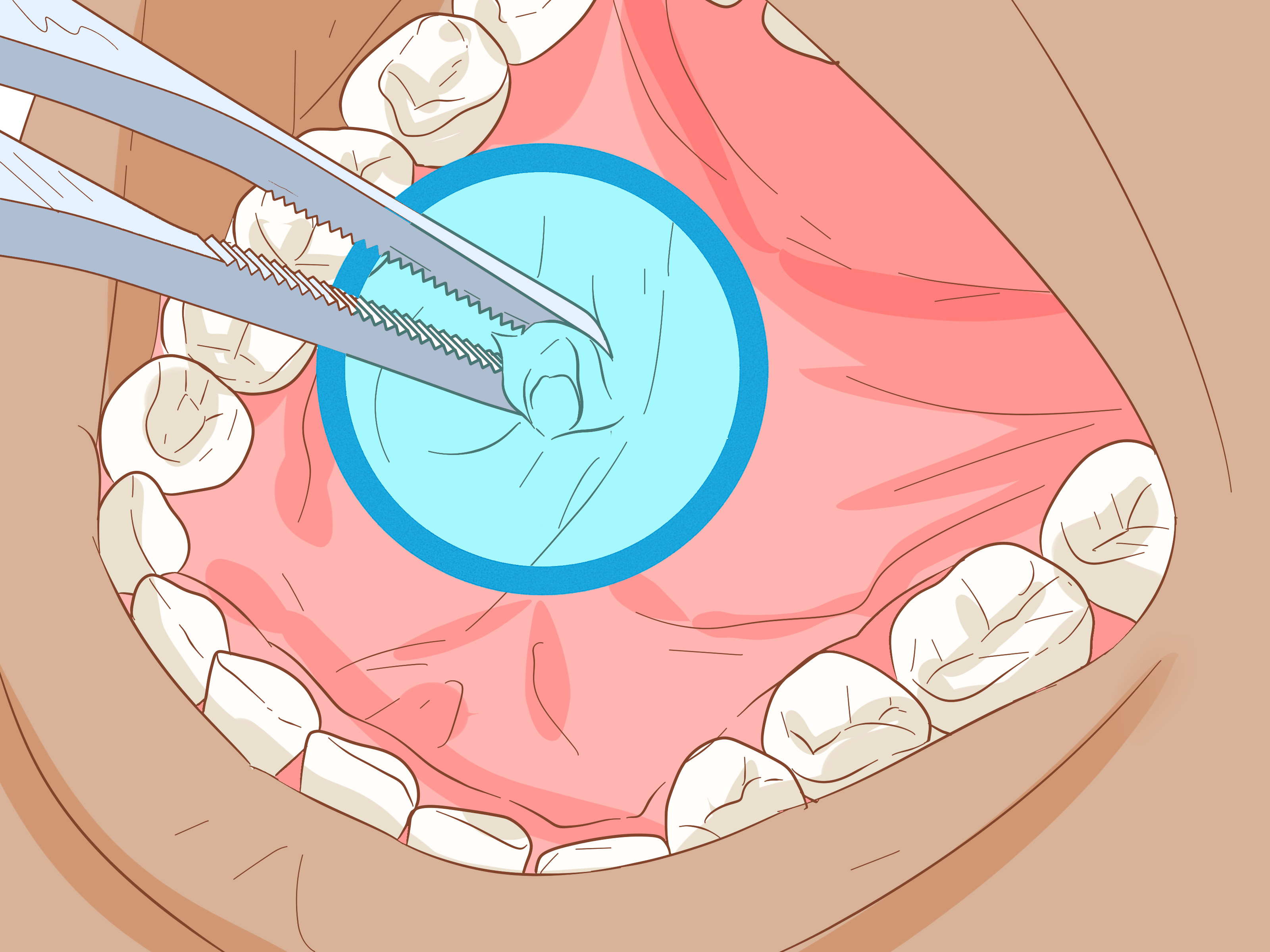
- Manual expression (sometimes a clinician can gently push a stone toward the opening)
- Sialendoscopy (a tiny scope used to locate and treat stones or strictures)
- Breaking the stone (in certain cases, techniques can fragment the stone)
- Surgical removal (reserved for select cases)
- Antibiotics if infection is present
Common myths (because the internet loves chaos)
Myth: “If I press harder, it’ll pop out faster.”
Reality: harder isn’t better. Overzealous squeezing can irritate tissues and worsen swelling. Gentle, directional massage is the move.
Myth: “I should poke the duct opening to get it out.”
Reality: please don’t. The duct opening is small and sensitive. Injury raises infection risk and can create more swellingexactly what you don’t want.
Myth: “If it’s swelling, it must be an allergy.”
Reality: salivary gland swelling has many causes. If swelling reliably worsens at meals, blockage is a prime suspect, but you still want evaluation if it
persists or recurs.
Prevention tips (so this doesn’t become your new personality)
- Stay hydrated (especially on flights, long workdays, or after workouts)
- Manage dry mouth (ask your clinician if medications might contribute)
- Practice consistent oral hygiene
- Don’t ignore recurring symptomsrepeated blockages deserve a real diagnosis
- Keep sugar-free sialogogues handy if you’re prone to dryness
Extra: of real-world “this is what it feels like” experiences
People rarely describe a clogged salivary duct in glamorous terms. The most common story goes something like this:
“I was totally fine… then I started eating… and suddenly my face tried to audition for a chipmunk documentary.”
That mealtime timing isn’t random. Your salivary glands get the signal to produce more saliva when food is near, and if a duct is partially blocked,
the gland can swell like a water balloon with a kinked hose.
A surprisingly frequent “trigger moment” is the first bite of something tangy, spicy, or just plain delicious. The irony is cruel:
the tastier the food, the stronger the saliva responseand the more obvious the blockage feels. Some people say the swelling rises for 20–60 minutes and
then eases when they stop eating, only to return the next meal like an annoying subscription they never signed up for.
Another common theme: dehydration ambush. Folks often report their first episode after a long flight, a day of too much coffee and not enough water,
or a gym session where they sweated out their entire personality. Saliva gets thicker when you’re dehydrated, which can make it harder for ducts to drain
smoothly. That’s why the “water + sour” combo can feel almost comically effective when the issue is mild: you’re thinning the saliva and increasing flow
at the same time. It’s like giving your salivary system a gentle reboot.
Massage is where people get dramaticeither because it helps, or because they try to manhandle their face like it owes them money. The better experience
is the gentle one: warm compress first, then slow, steady strokes aimed toward the mouth. Many people describe a “tiny release” moment: a quick salivary
gush, a slightly gritty taste, and a noticeable drop in pressure. It’s not always instant, but when it happens, it’s deeply satisfying in a
“my body is a plumbing system and I just fixed it” sort of way.
There’s also a mental side: the worry spiral. A lump or swelling in the jaw area can make anyone anxious. People often say the uncertainty is worse than
the discomfortespecially if it’s their first episode. This is why red-flag awareness matters. If there’s fever, pus, rapidly worsening swelling, trouble
swallowing, or facial weakness, don’t try to tough it out with lemon drops and optimism. Getting evaluated can prevent complications and speed real relief.
Finally, lots of people learn a practical lesson: keep a small “saliva support kit” for dry-mouth dayswater bottle, sugar-free gum, and a reminder to
take breaks from dehydrating habits. It won’t prevent every salivary stone (life loves surprises), but it can reduce the chances that a minor irritation
turns into a full-blown mealtime drama.
Conclusion
A clogged salivary duct is usually more rude than dangerous, but it deserves respect. For mild cases, focus on three simple steps:
increase saliva flow (water + sour), apply moist heat and gentle massage, and reduce inflammation while keeping your mouth clean.
If symptoms don’t improve quickly, keep coming back, or show signs of infection, get checkedbecause sometimes your salivary duct needs a professional,
not just a lemon drop and a pep talk.