A tired floor has a special talent: it can make an otherwise lovely room feel as though it has given up on its dreams. Fortunately, flooring is also one of the most powerful surfaces to transform. Change the color, pattern, texture, or direction underfoot, and suddenly the cabinets look fresher, the furniture feels more intentional, and the entire room seems to have discovered better lighting.
The most impressive floor transformations are not always the most expensive. Some begin with a can of porch paint, a stencil, or a stack of peel-and-stick tiles. Others involve uncovering original wood, refinishing a worn surface, or replacing dated carpet with practical planks. What they share is a clear plan: match the material to the room, prepare the surface properly, and choose a design bold enough to make the effort worthwhile.
Before the Big Reveal: What Makes a Floor Makeover Work?
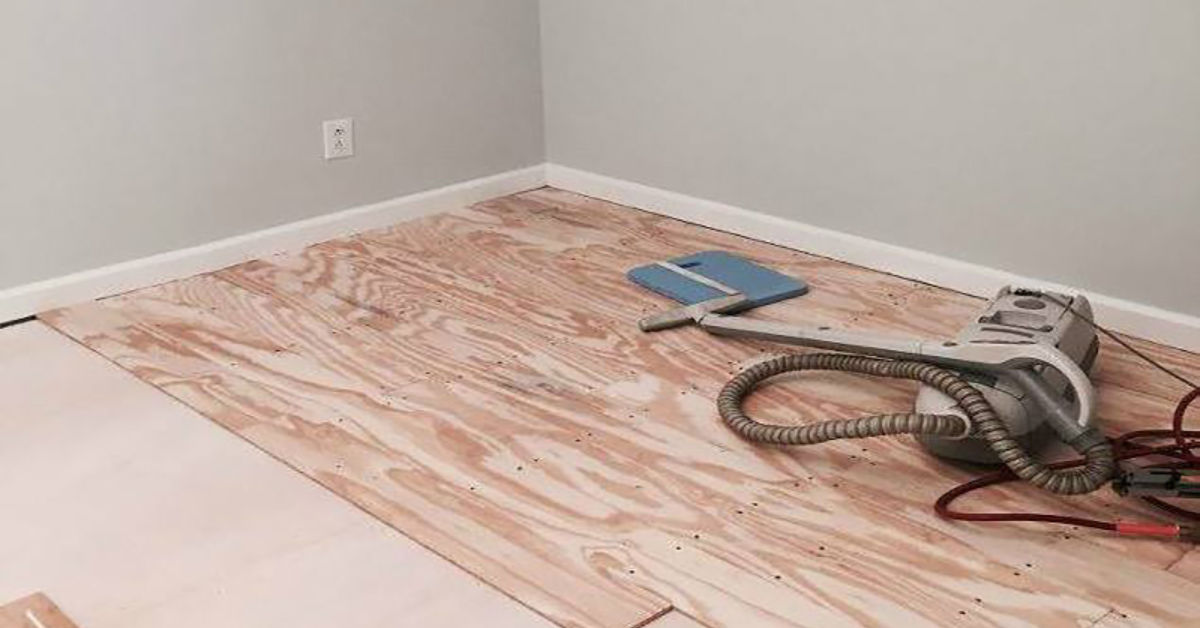
Successful flooring projects are built from the bottom up. The existing surface or subfloor should be clean, dry, flat, stable, and free of loose material before paint, adhesive, tile, or floating planks are added. Skipping preparation may save an afternoon, but it can create peeling edges, hollow spots, visible seams, and the uniquely irritating sound of a plank clicking every time someone walks to the refrigerator.
Also consider moisture, foot traffic, pets, sunlight, and cleaning habits. A dramatic painted floor can be wonderful in a guest room, while a busy entry may need a tougher finish. In bathrooms, basements, and laundry rooms, water resistance matters more than whether a sample looks adorable beside a throw pillow.
30 Incredible Floor Transformations to Spark Your Next Project
1. Refinish Dark, Scratched Hardwood Into Natural Warmth
Years of scratches and heavy stain can hide beautiful grain. Sanding and refinishing real wood in a lighter natural tone can make a room feel larger, calmer, and more current without replacing the floor. Finish samples should be tested in the actual room because daylight has opinions.
2. Turn Plain Wood Into a Checkerboard Statement
A painted checkerboard transforms basic floorboards into graphic architecture. Soft cream and taupe feel relaxed, while black and white deliver classic drama. Careful measuring, light sanding, floor-rated paint, and patient drying create cleaner lines than rushing with tape and optimism.
3. Stencil Builder-Grade Tile
Dated square tile can imitate encaustic cement tile with bonding primer, durable paint, a fitted stencil, and a protective topcoat. The transformation is especially effective in powder rooms and laundry areas, where a compact footprint allows a bold pattern to shine without visually shouting through the whole house.
4. Give Concrete the Look of Patterned Tile
A concrete mudroom or patio can become a Mediterranean-style focal point using porch paint and a repeating stencil. The slight imperfections are part of the charm. They make the floor look handcrafted, not as though a printer became emotionally involved in the renovation.
5. Replace Beige Tile With a Soft Checkerboard
Checkerboard flooring does not have to resemble a diner. Pairing warm white with mushroom, dusty green, or muted terracotta creates a gentler version that suits cottages, kitchens, and entryways. Larger squares feel relaxed; smaller checks bring more visual energy.
6. Lay Wood-Look Planks in Herringbone
Changing the installation pattern can be as transformative as changing the material. Herringbone luxury vinyl, laminate, engineered wood, or hardwood introduces movement and a custom appearance. It works particularly well in narrow halls, where the angled lines make the route feel designed rather than merely necessary.
7. Refresh a Rental Kitchen With Peel-and-Stick Tile
Peel-and-stick vinyl can cover a flat, clean, intact surface with color and pattern, often without permanent demolition. A carefully planned centerline and tightly fitted cuts make the result convincing. Uneven grout lines and greasy surfaces, however, are natural enemies of adhesive flooring.
8. Float Luxury Vinyl Planks Over an Old Floor
Click-lock vinyl planks can create a smooth wood-look surface over certain clean, flat existing floors. The biggest visual upgrade comes from selecting varied plank patterns and mixing pieces from different boxes, which prevents repeated “twins” from appearing side by side like suspiciously coordinated guests.
9. Replace Worn Carpet With Wide-Plank Oak
Removing flattened carpet can reveal how much visual space the floor controls. Wide-plank oak or a convincing oak-look alternative creates continuity, reduces visual clutter, and makes furniture stand out. A matte finish usually looks more natural and disguises everyday dust better than a mirror-like gloss.
10. Add a Painted Runner to Stairs
A painted runner gives plain wooden stairs the structure of a textile runner without loose fabric edges. Use contrasting borders, a central stripe, or a subtle geometric motif. The result guides the eye upward and turns a purely functional staircase into a feature.
11. Restore Original Pine Boards
Old pine floors may look battered, but gentle sanding, board repairs, and a compatible finish can reveal warm color and historic character. Small dents and nail marks often deserve to stay. A restored old floor should look beautifully lived in, not digitally airbrushed.
12. Whitewash a Dark Floor
A whitewashed or limed finish softens heavy wood tones while preserving visible grain. It works especially well in coastal, Scandinavian, and casual cottage interiors. The pale surface also reflects more light, helping a small or shaded room feel breezier without becoming sterile.
13. Go Moody With Nearly Black Wood
The opposite transformation can be equally powerful. Deep espresso or near-black flooring grounds a bright room and makes pale walls, brass accents, and colorful rugs pop. The trade-off is that dust becomes a recurring cast member, so consider a low-sheen finish and a realistic cleaning routine.
14. Use Penny Tile for a Vintage Bathroom
Small round mosaics can turn a generic bathroom into a vintage-inspired space. A contrasting border, flower motif, or simple black-and-white pattern adds personality while the numerous grout joints provide useful traction. Grout color dramatically changes whether the design feels crisp, soft, or delightfully retro.
15. Upgrade With Large-Format Porcelain
Replacing small, busy tile with large-format porcelain reduces the number of grout lines and creates a calmer visual field. Stone-look porcelain can suggest limestone, marble, or concrete while offering easier maintenance. Precise substrate preparation is essential because oversized tile is not forgiving of bumps.
16. Bring Back Terracotta
Terracotta adds instant warmth, variation, and old-world character. Square tiles feel classic; hexagons and elongated rectangles look more contemporary. The best transformations embrace tonal differences rather than expecting every piece to match like an army of orange crackers.
17. Create a Terrazzo Moment
Terrazzo or terrazzo-look tile introduces playful chips of color that can connect cabinetry, walls, and accessories. A restrained palette feels sophisticated, while multicolored aggregate turns a laundry room or powder room into a small celebration. It is practical pattern: lively, but not dependent on perfect alignment.
18. Coat a Garage Floor With Epoxy
A stained concrete garage can become bright, finished, and easier to clean with a properly prepared coating system. Crack repair and surface profiling matter more than decorative flakes. Professional epoxy systems vary widely in price because preparation, resin type, and slab condition drive much of the work.
19. Stain Indoor Concrete Instead of Covering It
Concrete stain can create smoky, layered color while keeping the material’s natural variation visible. Warm brown suggests leather; charcoal looks modern; muted green can feel surprisingly organic. Sealing helps protect the result, but the slab should first be evaluated for cracks, moisture, and previous coatings.
20. Paint a Solid Color for Maximum Impact
Sometimes pattern is unnecessary. A single saturated colornavy, forest green, brick red, or creamy whitecan unify mismatched boards and give a room a confident foundation. Floor paint is particularly effective in studios, porches, bedrooms, and older spaces where perfection is not the goal.
21. Add Geometric Stripes to a Patio
Broad diagonal stripes or oversized diamonds can make a plain concrete patio feel like an outdoor room. Limit the palette to two or three colors so furniture and plants still have space to participate. Outdoor-rated coatings and good drainage are more important than an ambitious Instagram pose.
22. Replace Sheet Vinyl With Graphic Tile
A small kitchen can change personality completely when faded sheet vinyl is replaced with a strong geometric floor. Black-and-white patterns feel crisp, blue motifs feel cheerful, and warm clay tones soften white cabinetry. In compact spaces, bold flooring often acts like artwork without occupying wall space.
23. Turn a Basement Into a Finished Living Space
Moving from bare slab to moisture-appropriate vinyl, tile, sealed concrete, or a raised subfloor system can make a basement feel intentional rather than temporary. The design should begin with moisture management, not a color swatch. A beautiful floor over an unresolved damp slab is merely a future problem wearing nice clothes.
24. Introduce Cork for Warmth and Quiet
Cork flooring can soften sound, feel warmer underfoot, and bring subtle natural texture to bedrooms, offices, or playrooms. Modern cork is available in planks and tiles beyond the familiar bulletin-board look. Product suitability, sealing, and moisture exposure should be checked for the specific room.
25. Replace Cold Tile With a Wood-Look Alternative
Wood-look porcelain or waterproof vinyl can deliver the visual warmth of timber in areas where splashes are common. Long planks, varied printing, and restrained grout lines make the illusion more convincing. This transformation works well when homeowners want continuity without giving actual wood a daily moisture test.
26. Frame a Floor With a Border
A contrasting tile or wood border makes a room feel tailored. It can define an entry, outline a dining area, or separate an open kitchen without adding walls. The technique is especially effective with simple field material because the border supplies just enough ceremony.
27. Mix Tile and Wood at a Transition
Instead of hiding the meeting point between materials beneath a bulky strip, create an intentional transition. Hexagonal tile can appear to dissolve into wood planks, or a straight brass detail can separate surfaces cleanly. The result celebrates function while making the threshold part of the design.
28. Revive Carpet With Color and Texture
Not every transformation requires removing carpet. A tired room can feel fresh with a denser, lower-pile installation, a natural-looking wool blend, or modular carpet tiles in a subtle pattern. Proper vacuuming and periodic deep cleaning help maintain appearance and manage trapped dust and debris.
29. Use Rugs as a Strategic Floor Makeover
A large rug can disguise dated flooring, define a conversation area, and introduce a new color palette in minutes. For awkward rooms, layering a smaller patterned rug over a larger natural-fiber base creates scale and texture. Add the correct rug pad so the makeover does not migrate across the room.
30. Reveal and Celebrate the Imperfect Original
Some of the best floor transformations involve removing layers rather than adding them. Old carpet may conceal hardwood, paint may hide patterned tile, and sheet goods may cover charming boards. Once assessed and repaired, the original surface can become the room’s strongest storyand the renovation’s happiest plot twist.
Real-World Experience: Lessons From Planning a Floor Transformation
The emotional arc of a flooring project is surprisingly consistent. First comes excitement: samples are ordered, inspiration photos multiply, and everyone becomes deeply confident about undertones. Then the room is emptied, the old flooring comes up, and the subfloor reveals a personality. There may be squeaks, low spots, mystery adhesive, uneven patches, or a corner that seems to have been built during a different geological era.
The most useful lesson is to budget for preparation as a distinct phase. Cleaning is not a ceremonial wipe with a paper towel. Adhesive products need a surface free of grease and dust. Paint needs sound material it can grip. Tile needs a stable, appropriately prepared base. Floating floors need flatness, even when the instructions emphasize that they are “easy.” The easy part is connecting the planks; the thoughtful part is everything that happens first.
It also helps to view large samples in several places. A plank that looks calm beside a sunny window may turn dramatically gray in a hallway. A patterned tile that seems charming on a screen can become visually busy when repeated across 120 square feet. Lay out enough pieces to understand the repetition, then look at them in morning and evening light. This simple step prevents the classic renovation surprise known as, “Why is the floor purple now?”
Another practical experience is that transitions deserve early attention. New flooring changes height. Doors may need trimming, appliances need clearance, baseboards may need removal, and adjacent rooms need a clean meeting point. These details are rarely the stars of inspiration photos, but they determine whether the finished work feels professionally integrated or like one room is wearing a slightly taller shoe.
For painted and coated floors, patience is a material. Dry-to-the-touch does not always mean ready for furniture, rugs, rolling chairs, or a dog performing an emergency hallway turn. Follow the product’s recoat and cure instructions, ventilate the space, and avoid trapping odor beneath rugs too soon. The EPA recommends increased ventilation and careful attention to product-label precautions when using paints, adhesives, sealers, and other materials that may release volatile organic compounds.
Finally, a successful transformation should suit daily life. High-gloss black may be stunning but demanding. Pale grout may brighten a bathroom but need more maintenance. Soft cork may feel wonderful in an office but require careful product selection near water. The right floor is not simply the one that photographs best on installation day; it is the one that still feels like a smart decision after muddy shoes, chair movement, spilled coffee, and ordinary Tuesday traffic.
Conclusion: Let the Floor Lead the Room
Flooring has the power to change how a room feels before a single piece of furniture moves back in. A restored wood floor can recover history, a painted pattern can add wit, and a practical floating floor can make a hardworking room feel polished. Whether the budget allows for full replacement or only a weekend refresh, the strongest transformation begins with honest assessment, careful preparation, and a design that fits the way the space is actually used.
Choose one idea that solves a real problem and adds genuine personality. Then test it, plan the edges, respect the cure time, and take the before photo. You will want proof that the beautiful new floor once looked like that.
Note: Product requirements vary. Follow manufacturer instructions, confirm that the material is suitable for the room, and use a qualified flooring professional when moisture, structural movement, complex tile work, or major subfloor repairs are involved.