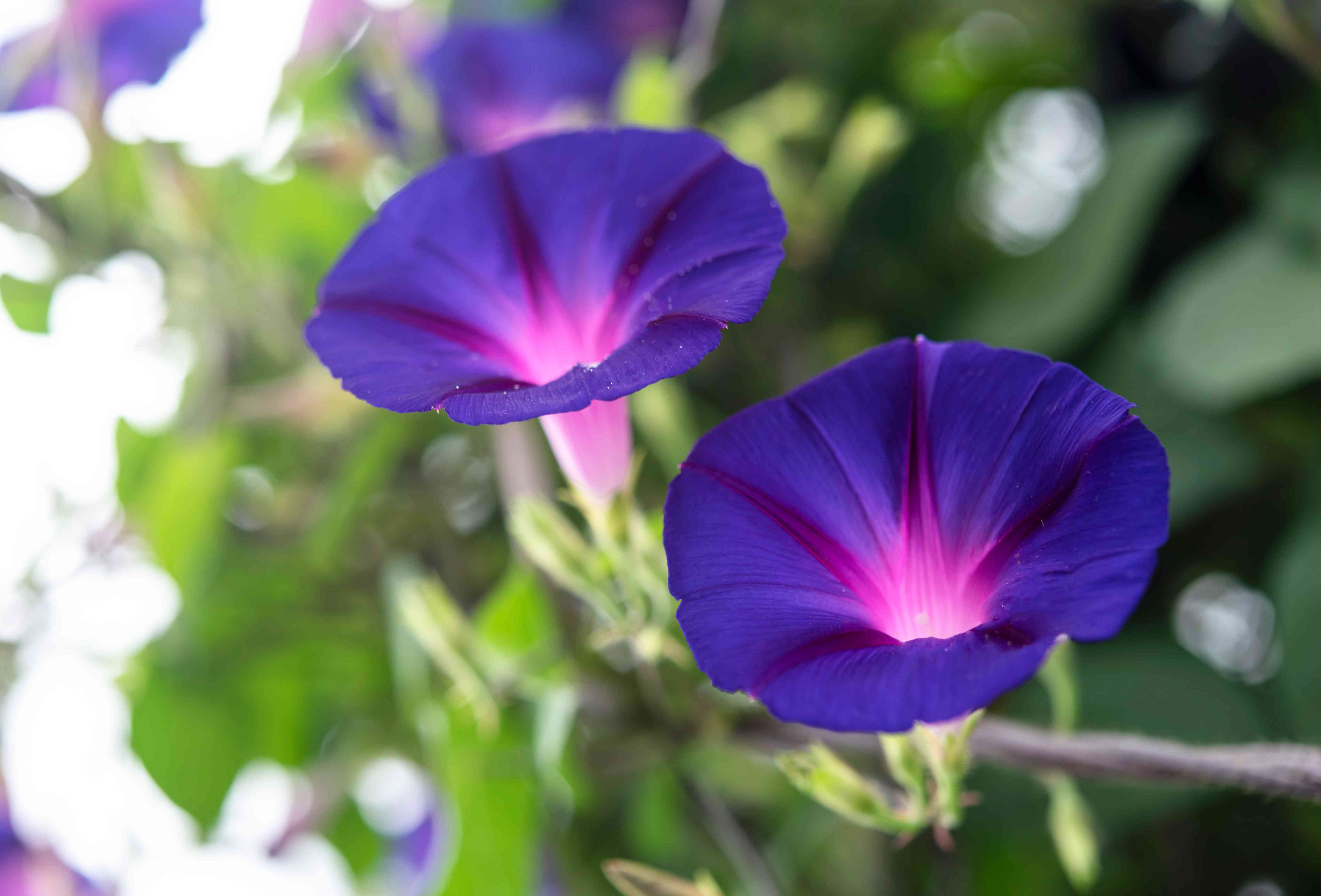
Morning glory is the garden equivalent of a cheerful early riser: bright-eyed, energetic, and already showing off before you have finished your first cup of coffee. Known for its trumpet-shaped blooms that open in the morning and often fade by afternoon, morning glory brings old-fashioned charm to fences, trellises, arbors, mailboxes, balcony railings, and any other structure that could use a little floral drama.
These fast-growing flowering vines are popular because they are beautiful, inexpensive to grow from seed, and surprisingly low-maintenance once established. Give morning glory full sun, warm soil, a sturdy support, and reasonable moisture, and it will usually reward you with a living curtain of heart-shaped leaves and colorful flowers from summer until frost. In other words, it is not a diva. It is more like that enthusiastic friend who shows up with snacks, climbs the fence, and somehow makes everything look better.
Still, morning glory care does come with a few important details. The seeds have a tough coat, the vines can self-sow, and some types may become too enthusiastic in warm climates. This guide explains how to plant morning glory, how to grow it from seed, how to water and fertilize it, how to keep it blooming, and how to prevent it from taking over your garden like it has just been promoted to manager.
What Is Morning Glory?
Morning glory is a common name used for several flowering vines in the genus Ipomoea, especially Ipomoea purpurea, often called common morning glory. These plants are usually grown as annual vines in most of the United States, although some related species may behave like perennials in warm, frost-free areas.
The classic morning glory plant has large, heart-shaped leaves and funnel-shaped flowers in shades of blue, purple, pink, red, white, and variegated combinations. Many blooms open early in the day, looking fresh and glowing in the morning light, then close or fade later. Each individual flower may last only one day, but healthy vines produce so many buds that the show keeps going for weeks.
Morning glory is often used to cover vertical spaces quickly. It can soften a plain chain-link fence, dress up a trellis, create privacy on a porch, or add color to a cottage garden. Depending on the variety and growing conditions, vines may reach 6 to 15 feet in a single season.
Best Morning Glory Varieties to Grow
Choosing a morning glory variety is partly practical and partly emotional. You may start with one packet of seeds because the picture looks pretty, then suddenly find yourself comparing shades of blue like an art curator. Here are several popular options:
Heavenly Blue
This is one of the most beloved morning glory varieties, famous for its large sky-blue flowers with pale centers. It is a classic choice for fences, trellises, and gardeners who want a calm, dreamy color that looks spectacular in morning sunlight.
Grandpa Ott
This heirloom variety produces deep purple blooms with a reddish star at the throat. It is vigorous, nostalgic, and wonderfully dramatic without requiring complicated care.
Scarlett O’Hara
For gardeners who prefer bold color, Scarlett O’Hara offers rich red or crimson flowers. It looks especially good on white fences, rustic trellises, or mixed with blue and white varieties.
Flying Saucers
As the name suggests, this variety is a little quirky in the best possible way. Its large blooms are usually streaked or splashed with blue and white, giving each flower a slightly different pattern.
Pearly Gates
This white morning glory variety is elegant and clean-looking. It works beautifully in moon gardens, cottage gardens, or mixed plantings where you want a bright neutral color to balance stronger shades.
Where to Plant Morning Glory
The best place to plant morning glory is a warm, sunny location with well-drained soil and something for the vines to climb. Morning glory can tolerate a range of soil conditions, but it performs best when its roots are not sitting in soggy ground.
Sunlight
Morning glory needs full sun for the strongest growth and best flowering. Aim for at least six hours of direct sunlight per day. In too much shade, vines may grow weak, leafy, and slow to bloom. Morning glory in deep shade is like a singer with stage fright: technically present, but not giving you the performance you came for.
Soil
Average, well-drained garden soil is usually enough. Morning glory does not need pampering with overly rich soil. In fact, soil that is too fertile, especially high in nitrogen, may encourage lush leaves at the expense of flowers. If your plant looks like a salad bar but refuses to bloom, too much nitrogen may be one reason.
Support
Morning glory is a twining vine, which means it climbs by wrapping its stems around supports. It needs something slender enough to grip, such as a trellis, wire, netting, string, arbor, or fence. A flat wall will not help much unless you add vertical wires or strings for the stems to coil around.
How to Grow Morning Glory from Seed
Growing morning glory from seed is simple, affordable, and satisfying. The main trick is helping the seed absorb water. Morning glory seeds have a hard outer coat, which protects them in nature but can slow germination in the garden.
Step 1: Scarify or Soak the Seeds
Before planting, gently nick the seed coat with a nail file, sandpaper, or the edge of a small knife. You do not need to carve the seed like a tiny pumpkin; a small scratch is enough. After scarifying, soak the seeds in water for 12 to 24 hours. This softens the coat and encourages faster, more even germination.
Step 2: Wait for Warm Soil
Morning glory is a heat-loving plant. Direct sow seeds outdoors after the last frost has passed and the soil has warmed. If the soil is too cold, seeds may rot or sit there doing absolutely nothing, which is not the dramatic garden transformation anyone ordered.
Step 3: Plant at the Right Depth
Sow morning glory seeds about 1/4 to 1/2 inch deep. Space seeds according to the seed packet, often several inches apart, then thin seedlings later if needed. Keep the soil evenly moist until germination.
Step 4: Start Indoors If Needed
In regions with short growing seasons, you can start morning glory indoors about four to six weeks before the last expected frost. Use biodegradable pots if possible because morning glory does not love root disturbance. Transplant seedlings outdoors after frost danger has passed and the weather has warmed.
How to Care for Morning Glory
Once morning glory is established, care is refreshingly simple. The plant grows quickly and does not need constant fussing. However, a few smart habits will improve flowering and keep the vine manageable.
Watering
Keep the soil moist while seeds germinate and seedlings develop. Mature morning glory vines are more tolerant of short dry spells, but they still appreciate water during hot, dry weather. Water deeply at the base of the plant rather than lightly sprinkling the leaves every day. Deep watering encourages stronger roots and helps reduce stress.
Fertilizing
Morning glory usually needs little fertilizer. If your soil is very poor, use a balanced or low-nitrogen fertilizer sparingly. Too much fertilizer, especially nitrogen-rich lawn fertilizer, can produce lots of leaves and fewer flowers. With morning glory, more food does not always mean more blooms. Sometimes it just means a vine with big green ambitions and no floral follow-through.
Mulching
A thin layer of mulch around the base of the plant can help conserve moisture and reduce weeds. Keep mulch a little away from the stem to prevent excess dampness around the crown.
Training the Vines
When seedlings are a few inches tall, gently guide them toward their support. Once they find something to wrap around, they usually understand the assignment. If the vines start reaching in the wrong direction, redirect them before they tangle with nearby shrubs, vegetables, or patio furniture.
How to Keep Morning Glory Blooming
Morning glory typically begins flowering in summer and may continue until frost. If your vines are growing but not blooming, check the basics first: sun, fertilizer, water, and patience.
Give It More Sun
Morning glory needs bright light to flower well. If the plant receives only a few hours of sun, it may produce leaves but few blooms. Choose the sunniest practical location, especially in cooler climates.
Avoid Too Much Nitrogen
High-nitrogen fertilizer is one of the most common reasons for poor flowering. If you planted morning glory near a lawn that receives regular fertilizer, runoff may be feeding the vine too much nitrogen.
Do Not Panic Too Early
Some morning glory varieties take their sweet time before blooming. A vine may spend early summer growing roots and foliage before shifting into flower production. As long as the plant looks healthy, give it time.
Remove Seed Pods to Limit Self-Sowing
Deadheading is not required for bloom production, but removing spent flowers or seed pods can help reduce unwanted seedlings. This is especially useful if you garden in a warm climate or have had morning glory volunteer everywhere before.
Growing Morning Glory in Containers
Morning glory can grow well in containers, making it a good option for patios, balconies, and small spaces. Choose a large pot with drainage holes, fill it with a quality potting mix, and provide a trellis or vertical support right away.
Container-grown morning glory dries out faster than plants in the ground, so check moisture regularly during hot weather. Water when the top inch of soil feels dry. Avoid tiny pots because vigorous vines need root space and stability. A top-heavy morning glory in a lightweight container can tip over in wind, which is one of those garden lessons best learned from someone else.
Common Morning Glory Problems
Morning glory is generally low-maintenance, but it is not completely problem-free. Most issues are manageable if caught early.
Aphids
Aphids may cluster on tender new growth and flower buds. A strong spray of water can knock them off. For persistent infestations, insecticidal soap may help when used according to label directions.
Spider Mites
Spider mites can appear during hot, dry weather. Look for fine webbing, speckled leaves, or faded foliage. Regular watering, rinsing foliage, and reducing plant stress can help discourage mites.
Root Rot
Root rot is usually caused by poorly drained soil or overwatering. Plant morning glory where water drains well, and avoid keeping the soil constantly soggy.
Powdery Mildew
Powdery mildew may appear as a white, dusty coating on leaves, especially in humid conditions with poor air circulation. Give vines enough space, avoid overhead watering late in the day, and remove badly affected leaves when practical.
Is Morning Glory Invasive?
Morning glory can self-seed readily, and in some regions it may become aggressive. That does not mean every morning glory plant is a disaster waiting to happen, but it does mean gardeners should be responsible. Check local guidance before planting, especially in warm climates where self-sown seedlings may persist.
It is also important to distinguish ornamental annual morning glory from bindweed, a much more troublesome perennial weed. Bindweed spreads through deep roots and can be extremely difficult to control. Annual morning glory usually grows from seed and is easier to manage by pulling unwanted seedlings while they are small.
To keep morning glory under control, remove seed pods before they mature, pull volunteer seedlings promptly, and avoid planting it where it can scramble into natural areas or smother delicate plants.
Is Morning Glory Toxic?
Morning glory seeds can be toxic if eaten, and the plant is considered unsafe for dogs, cats, and horses. Keep seed packets, harvested seeds, and seed pods away from children and pets. If a pet eats morning glory seeds or plant material and shows symptoms such as vomiting, unusual behavior, or distress, contact a veterinarian or animal poison control service right away.
Best Landscape Uses for Morning Glory
Morning glory is ideal for quick vertical color. Use it on fences, arbors, pergolas, mailbox posts, balcony railings, garden screens, and temporary privacy panels. It can hide an unattractive view, soften hard edges, and create a romantic cottage-garden look without requiring years of patience.
Because the vines grow fast, morning glory is also useful when you want seasonal coverage. For example, you can plant it to shade a sunny porch railing in summer, then remove the dead vines after frost. It gives you the pleasure of a lush green screen without the long-term commitment of a woody vine.
Morning Glory Care Calendar
Spring
Prepare the planting area, install supports, scarify and soak seeds, and sow after the last frost when soil is warm. In cooler regions, start seeds indoors several weeks before transplanting.
Summer
Water during dry spells, guide vines onto supports, watch for aphids or mites, and enjoy the blooms. Avoid heavy fertilizing unless the plant clearly needs help.
Fall
Remove seed pods if you want to prevent self-sowing. After frost kills the vines, pull them down and compost disease-free material. Save seeds only if you are certain the variety is appropriate for your garden and local area.
Winter
Plan next year’s planting location. If morning glory self-seeded too heavily, choose a more contained spot next season or grow it in a container.
Practical Experience: Lessons from Growing Morning Glory
One of the first things gardeners learn about morning glory is that it is much more impressive when you give it a real job. A lonely morning glory seedling in the middle of a bare bed can look confused, like it arrived at the party before the furniture. But plant it at the base of a fence, trellis, or arch, and suddenly it has purpose. Within weeks, those twining stems begin searching, wrapping, climbing, and turning a plain structure into something that looks intentionally charming.
In real garden conditions, morning glory often teaches patience. Many new growers expect flowers almost immediately because the vines grow so fast. The leaves appear, the stems race upward, and then the plant seems to pause. This is normal. Morning glory may spend a good part of early summer building its root system and leafy framework before the flower show begins. The best approach is to keep watering consistently, avoid overfeeding, and resist the urge to lecture the plant. It has heard you. It is just on plant time.
Another useful lesson is that support should be installed before the vine needs it. If you wait until the stems are long and tangled, training morning glory becomes a delicate wrestling match. Young vines are flexible and easy to guide. Older vines can wrap around neighboring plants, chair legs, tomato cages, or anything else within reach. A simple string trellis, wire panel, bamboo teepee, or garden netting saves a lot of trouble later.
Watering is also more about consistency than excess. Seedlings like evenly moist soil, but mature vines are fairly resilient. During heat waves, however, morning glory appreciates a deep drink. When plants are drought-stressed, leaves may wilt, flowering may slow, and pests such as spider mites can become more noticeable. A morning soak at the base of the plant is usually better than a quick evening sprinkle over the leaves.
The biggest practical warning is self-seeding. Morning glory can drop plenty of seeds, and some may sprout the following season. For some gardeners, this is a delightful bonus. For others, it is a floral ambush. If you want control, remove seed pods before they dry and scatter. If volunteers appear in spring, pull them while small. Tiny seedlings are easy to remove; a mature vine with big dreams is a bigger project.
Finally, morning glory is best appreciated as a seasonal performer. It is not the neatest plant in the garden, and it will not behave like a clipped boxwood. Its beauty is a little wild, a little nostalgic, and very generous. Give it sunlight, warmth, support, and sensible boundaries, and it will reward you with a daily morning surprise that feels almost too pretty for how little effort it asks in return.
Conclusion
Morning glory is one of the easiest flowering vines to grow when you understand its basic needs. Plant it in full sun, use well-drained soil, scarify or soak the seeds before sowing, and give the vines a sturdy support from the beginning. Water young plants consistently, go easy on fertilizer, and remove seed pods if you want to prevent unwanted volunteers.
With the right care, morning glory can transform an ordinary fence, trellis, or balcony into a wall of color. It is fast, cheerful, affordable, and wonderfully old-fashioned. Just remember: this plant may look delicate at sunrise, but it has the ambition of a tiny botanical athlete. Give it a lane to climb, and it will run with it.