Learning to drive is supposed to feel exciting, right? Freedom, playlists, late-night milkshake runs, and the glorious ability to leave awkward family gatherings without waiting for a ride. But for many teenagers, driving also comes with sweaty palms, a racing heart, and the sudden belief that every parked mailbox is personally judging their steering skills.
If that sounds familiar, take a deep breath. Driving anxiety in teenagers is common, understandable, and absolutely workable. Teen drivers face a unique mix of pressure: new skills, busy roads, parental commentary from the passenger seat, fear of making mistakes, and the serious responsibility of operating a vehicle. Add school stress, social pressure, and the occasional honking driver behind you, and it is no wonder your brain may treat a left turn like a final exam.
The good news is that confidence behind the wheel is built, not magically downloaded. You do not need to become fearless overnight. In fact, a little caution can make you a safer driver. The goal is not to erase every nervous feeling; it is to learn how to manage anxiety so you can drive calmly, carefully, and confidently.
This guide shares 15 practical, teen-friendly ways to reduce anxiety about driving, using real-world safety advice, mental-health strategies, and beginner-driver wisdom. Buckle up. We are going for a calm ride.
Why Teenagers Feel Anxious About Driving
Driving anxiety can show up before you even put the key in the ignition. Some teens worry about crashing, getting honked at, missing a sign, merging onto the highway, driving at night, parking in public, or disappointing a parent. Others feel fine in an empty parking lot but panic when traffic gets busy.
This anxiety often comes from inexperience. Your brain is trying to process a lot at once: speed, mirrors, road signs, pedestrians, other drivers, weather, directions, and the mysterious behavior of people who apparently believe turn signals are decorative accessories. Because teen drivers are still developing judgment and hazard-recognition skills, it makes sense that driving can feel overwhelming at first.
Anxiety may also grow after a scary experience, such as nearly hitting something, being yelled at during practice, riding with an aggressive driver, or hearing about crashes involving other teens. Sometimes the fear is not about driving itself but about losing control, panicking, or being watched by others.
Whatever the cause, your anxiety is not a personal failure. It is a signal that your mind and body want safety. The trick is to respond with skill-building, not avoidance.
15 Ways to Reduce Anxiety About Driving if You’re a Teenager
1. Start With Tiny, Low-Pressure Drives
If driving around the city feels terrifying, do not begin there. Start with the easiest possible environment: an empty parking lot, a quiet neighborhood, or a familiar route with low traffic. Practice starting, stopping, turning, checking mirrors, and parking until the movements feel less robotic.
Confidence grows through repetition. A five-minute calm drive is more useful than a 45-minute panic marathon. Think of it like leveling up in a video game. You do not fight the final boss before learning which button makes your character jump.
2. Create a Driving Practice Ladder
A practice ladder is a step-by-step list of driving situations from easiest to hardest. This helps you face fear gradually instead of throwing yourself into the most stressful scenario first.
Your ladder might look like this:
- Sit in the parked car and adjust mirrors.
- Drive around an empty parking lot.
- Drive through a quiet neighborhood.
- Drive to a nearby store during a slow time.
- Practice left turns at calm intersections.
- Drive on a busier road with a trusted adult.
- Practice highway driving when traffic is light.
The goal is gradual exposure. When you repeat a situation safely, your brain learns, “Okay, we can handle this.” That message is powerful.
3. Practice With the Right Passenger
The person sitting beside you matters. A calm, patient passenger can make driving practice feel manageable. A nervous, gasping, imaginary-brake-stomping passenger can make you feel like you are piloting a spaceship through a meteor shower.
Choose someone who gives clear instructions, stays calm, and avoids criticizing every small mistake. Before the drive, agree on expectations. For example: “Please give directions early,” “Please do not raise your voice,” or “Please tell me what I did right after the drive too.”
If a parent gets anxious while teaching, that does not mean they are bad at parenting. It may simply mean a professional driving instructor is a better fit for some lessons.
4. Learn the Car Before You Drive It
Part of driving anxiety comes from not knowing where things are. Before driving, spend time learning the vehicle while it is parked. Find the headlights, windshield wipers, hazard lights, defroster, gear shift, parking brake, seat adjustments, and mirror controls.
Practice adjusting your seat and mirrors until it becomes automatic. Learn how the brake pedal feels. Notice the size of the vehicle. The more familiar the car feels, the less your brain has to juggle once you are moving.
5. Use Breathing Techniques Before Starting the Engine
Anxiety often causes shallow breathing, tight muscles, and a fast heartbeat. Before you drive, try a simple breathing exercise. One easy option is box breathing: inhale for four counts, hold for four counts, exhale for four counts, and pause for four counts.
Do this for one or two minutes before pulling out. You can also try longer exhales, such as breathing in for four counts and out for six. Longer exhales can tell your nervous system, “We are not being chased by a bear. We are just going to Target.”
Important note: breathing exercises are for before driving or while safely parked. Do not close your eyes or focus so deeply on breathing that you stop paying attention to the road.
6. Use a Pre-Drive Checklist
Checklists reduce stress because they turn chaos into steps. Pilots use checklists. Surgeons use checklists. Teen drivers can use them too, and no, that does not make you dramatic. It makes you organized.
Try this simple pre-drive checklist:
- Phone on silent or driving mode.
- Seat adjusted.
- Mirrors checked.
- Seat belt on.
- Route reviewed.
- Gas or battery level checked.
- Music set before moving.
- One calming breath.
When your routine is predictable, driving feels less like a surprise quiz.
7. Avoid Practicing During the Worst Conditions at First
New drivers do not need to practice every hard condition immediately. Heavy rain, snow, darkness, rush-hour traffic, complicated highways, and unfamiliar downtown streets can wait until your basic skills are stronger.
Start in daylight, clear weather, and familiar places. As your confidence grows, add new challenges one at a time. This approach is safer and kinder to your nervous system.
8. Know the Rules for Teen Drivers in Your State
Many states have graduated driver licensing rules. These may limit night driving, teen passengers, or phone use. Knowing your state’s rules can reduce anxiety because you are not guessing what is allowed.
Rules are not there to ruin your fun. They exist because new drivers face higher crash risks, especially with distractions, speed, night driving, and other teens in the car. When you understand the rules, you can treat them like guardrails while you build experience.
9. Keep the Car Distraction-Free
Teen driving anxiety often gets worse when the car feels chaotic. Loud music, buzzing phones, friends talking over each other, food wrappers, and someone yelling “Wait, turn here!” at the last second can overwhelm your attention.
Make the car a calm zone. Put your phone away. Keep music low. Limit passengers while learning. Do not eat while driving. Give yourself permission to say, “I need it quiet while I drive.” That sentence is not rude. It is responsible.
10. Practice Parking Until It Stops Feeling Personal
Parking anxiety deserves its own spotlight. Many teens worry about hitting another car, holding up traffic, or needing 17 attempts while strangers watch like it is a reality show.
Practice parking in low-pressure places. Use empty sections of lots. Try pulling into spaces, backing out, angle parking, and parallel parking with cones or safe markers. Break it into small steps: slow speed, signal, check mirrors, turn, straighten, stop.
Remember: even experienced adults occasionally park like the car has entered a philosophical disagreement with the lines. Practice helps.
11. Replace Scary Thoughts With Useful Thoughts
Anxious thoughts often sound dramatic: “I am going to mess up,” “Everyone is watching me,” “I cannot handle this,” or “If I make one mistake, it is over.” These thoughts feel real, but they are not always accurate.
Try replacing them with practical thoughts:
- “I can drive slowly and safely.”
- “I am allowed to be a beginner.”
- “If I miss a turn, I can reroute.”
- “Honking is uncomfortable, not dangerous by itself.”
- “My job is safety, not perfection.”
This is not fake positivity. It is realistic thinking, and it helps your brain stay in problem-solving mode instead of panic mode.
12. Learn Defensive Driving Skills
Defensive driving means expecting the unexpected and giving yourself time to respond. It is not about being scared of everyone. It is about staying alert and prepared.
Key defensive driving habits include keeping a safe following distance, scanning ahead, checking mirrors regularly, watching for pedestrians and cyclists, avoiding blind spots, using signals early, and never assuming another driver will do the smart thing.
When you know what to look for, the road feels less random. Anxiety often decreases when your skills increase.
13. Drive Familiar Routes First
Navigation stress can make driving anxiety worse. If you are still learning, choose familiar routes: home to school, home to the grocery store, home to practice, or around your neighborhood.
Before driving somewhere new, preview the route. Look at major turns, parking options, speed limits, and tricky intersections. You do not need to memorize every detail, but having a general plan can make the drive feel less intimidating.
14. Talk to a Professional if Anxiety Feels Too Big
Some driving nerves are normal. But if anxiety causes panic attacks, total avoidance, nightmares, intense fear after a crash, or major interference with daily life, it may be time to ask for help.
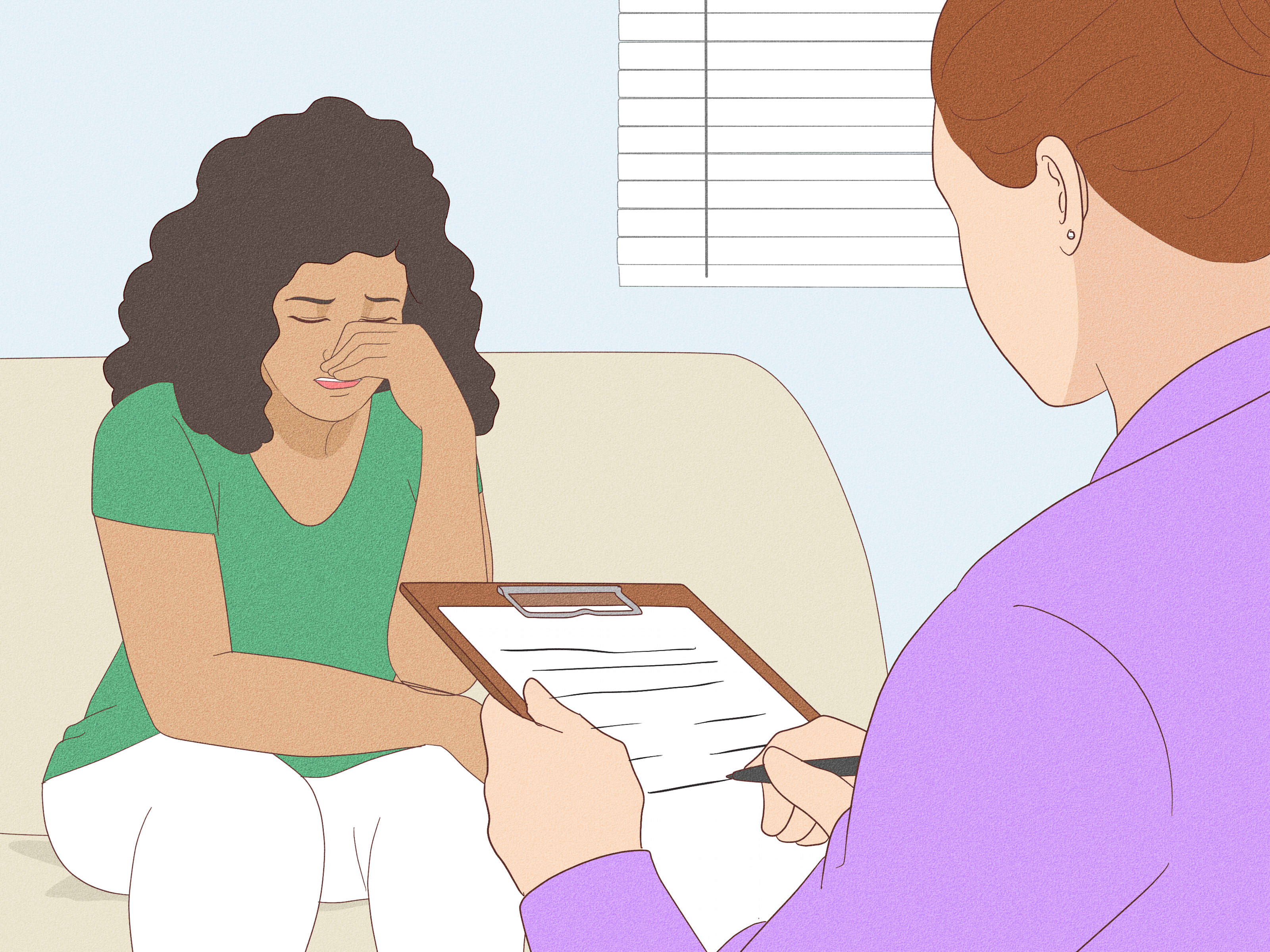
A therapist, counselor, pediatrician, or mental-health professional can help you work through the fear. Cognitive behavioral therapy, gradual exposure, relaxation skills, and trauma-informed support can all be useful. Asking for help does not mean you are weak. It means you are taking the problem seriously.
15. Celebrate Progress, Not Perfection
Driving confidence is built from small wins. Maybe you drove around the block without panicking. Maybe you parked straighter than last time. Maybe you remembered to check your blind spot. Maybe you survived a roundabout and did not need to emotionally recover with three hours of scrolling. That counts.
After each practice session, write down one thing you did well and one thing to improve next time. This keeps your brain from focusing only on mistakes. Progress is the point.
What Parents and Guardians Can Do to Help
If you are a parent reading this, your teenager does not need a passenger-seat sports commentator. They need a calm coach. Give directions early, keep your voice steady, praise safe choices, and save detailed feedback for after the drive.
Instead of saying, “You are too close!” try, “Ease off the gas and increase your following distance.” Instead of yelling, “Brake!” try, when possible, “Start slowing now.” Clear instructions reduce panic.
Parents can also help by creating a regular practice schedule, choosing safe routes, modeling good driving habits, and using a parent-teen driving agreement. Teens notice everything, including whether adults text at red lights, roll through stop signs, or treat speed limits like casual suggestions.
When Driving Anxiety Becomes a Safety Concern
It is okay to feel nervous. It is not okay to drive when anxiety makes you unable to focus, breathe normally, follow traffic rules, or respond safely. If you feel panic rising while driving, do not try to “push through” at all costs. Find a safe place to pull over, park, breathe, and call a trusted adult if needed.
Also, never drive while exhausted, emotionally overwhelmed, under the influence of alcohol or drugs, or distracted by your phone. Anxiety management works best when paired with basic safety habits.
Extra Experience Section: Realistic Teen Driving Anxiety Moments and How to Handle Them
Driving anxiety is not always dramatic. Sometimes it shows up in small, awkward, very human moments. For example, imagine you are practicing with a parent and you reach a four-way stop. Another driver waves you through, but you are not sure if they really mean it. Your parent says, “Go ahead,” your brain says, “Absolutely not,” and the person behind you appears to be aging visibly. In that moment, the best move is not speed. It is clarity. Look carefully, confirm it is safe, proceed calmly, and remember that a few extra seconds are better than a rushed mistake.
Another common experience is the dreaded honk. Many teen drivers hear one honk and instantly feel like they have failed driving, society, and possibly their ancestors. But honking does not always mean you did something wrong. Some people honk because they are impatient. Some honk because they are warning you. Some honk because their personality is 80 percent car horn. Your job is to stay safe, not to emotionally analyze every beep. If you are following the law and driving carefully, keep going.
Parking lots can also be surprisingly stressful. They look slow and harmless, but they are full of pedestrians, carts, reversing cars, and drivers who suddenly forget lanes exist. A smart teen driver treats parking lots with patience. Drive slowly, scan constantly, and avoid squeezing into tight spaces when easier spaces are available. There is no trophy for parking closest to the door, unless the trophy is a door ding.
Highway anxiety is another big one. The speed can feel intense at first, especially when merging. A helpful strategy is to practice highway driving during low-traffic times with an experienced adult. Before merging, understand that the entrance ramp is designed to help you build speed. Check mirrors, signal early, look for a gap, and adjust smoothly. You do not need to force your way in like an action movie. You need to blend safely with traffic.
Some teenagers feel anxious because they compare themselves with friends who seem confident. But confidence is not always the same as skill. The friend who brags about driving fast with loud music and three passengers may not be the role model your insurance company dreams about. It is perfectly okay to learn at your own pace. Safe driving is cooler than reckless driving, even if it does not look as exciting on social media.
One of the most helpful experiences is driving the same route repeatedly. The first time you drive to school, every turn may feel huge. By the tenth time, your brain starts recognizing the rhythm: where traffic slows, where pedestrians cross, where the weird pothole lives, and which lane you need. Familiarity lowers anxiety because your mind has fewer surprises to manage.
It also helps to debrief after practice. Instead of asking, “Was I terrible?” ask better questions: “What went well?” “What should I practice next?” “Was there one moment where I handled stress better than before?” These questions train your brain to see progress. Driving anxiety often shrinks when you collect proof that you are improving.
Finally, remember that becoming a confident driver is not a personality test. Some people love driving immediately. Others need more time. Some become excellent drivers precisely because they started out cautious. Your nervous system may be loud right now, but with practice, patience, and good support, it can learn that driving is a skill you can handle.
Conclusion
Reducing driving anxiety as a teenager is not about pretending you are fearless. It is about building real confidence through practice, preparation, support, and smart safety habits. Start small, use calming techniques, practice with patient adults, limit distractions, and give yourself permission to be a beginner.
Driving is a big responsibility, but it is also a skill. Skills improve with time. Every calm practice session, every safe turn, every successful parking attempt, and every moment you choose patience over panic moves you closer to becoming the kind of driver you want to be.
Note: This article is for educational purposes and is not a substitute for professional mental-health care, medical advice, driver education, or your state’s licensing requirements. Teens with severe anxiety, panic symptoms, trauma after a crash, or unsafe driving reactions should talk with a qualified professional and practice only with appropriate supervision.