Buying a home is exciting, emotional, and occasionally about as relaxing as assembling flat-pack furniture without the tiny wrench. But for buyers who are patient, prepared, and willing to do a little extra homework, a short sale can open the door to a property that might otherwise feel out of reach.
A short sale happens when a homeowner sells a property for less than the amount owed on the mortgage, and the lender agrees to accept the sale proceeds as part of resolving the debt. For the seller, it may help avoid foreclosure. For the buyer, it can create an opportunity to purchase a home at a competitive price, often with less competition than a traditional listing.
That does not mean every short sale is a magical bargain wrapped in a real estate bow. The process can be slow, the paperwork can be fussy, and the property may need repairs. Still, the advantages to buying a short sale are real when you understand how the process works and approach it with the right expectations.
What Is a Short Sale in Real Estate?
In real estate, a short sale occurs when the current homeowner owes more on the mortgage than the home can likely sell for. Instead of going through foreclosure, the homeowner asks the lender to approve a sale for less than the outstanding loan balance. The lender reviews the seller’s financial hardship, the property value, the offer, and the overall loss it may take.
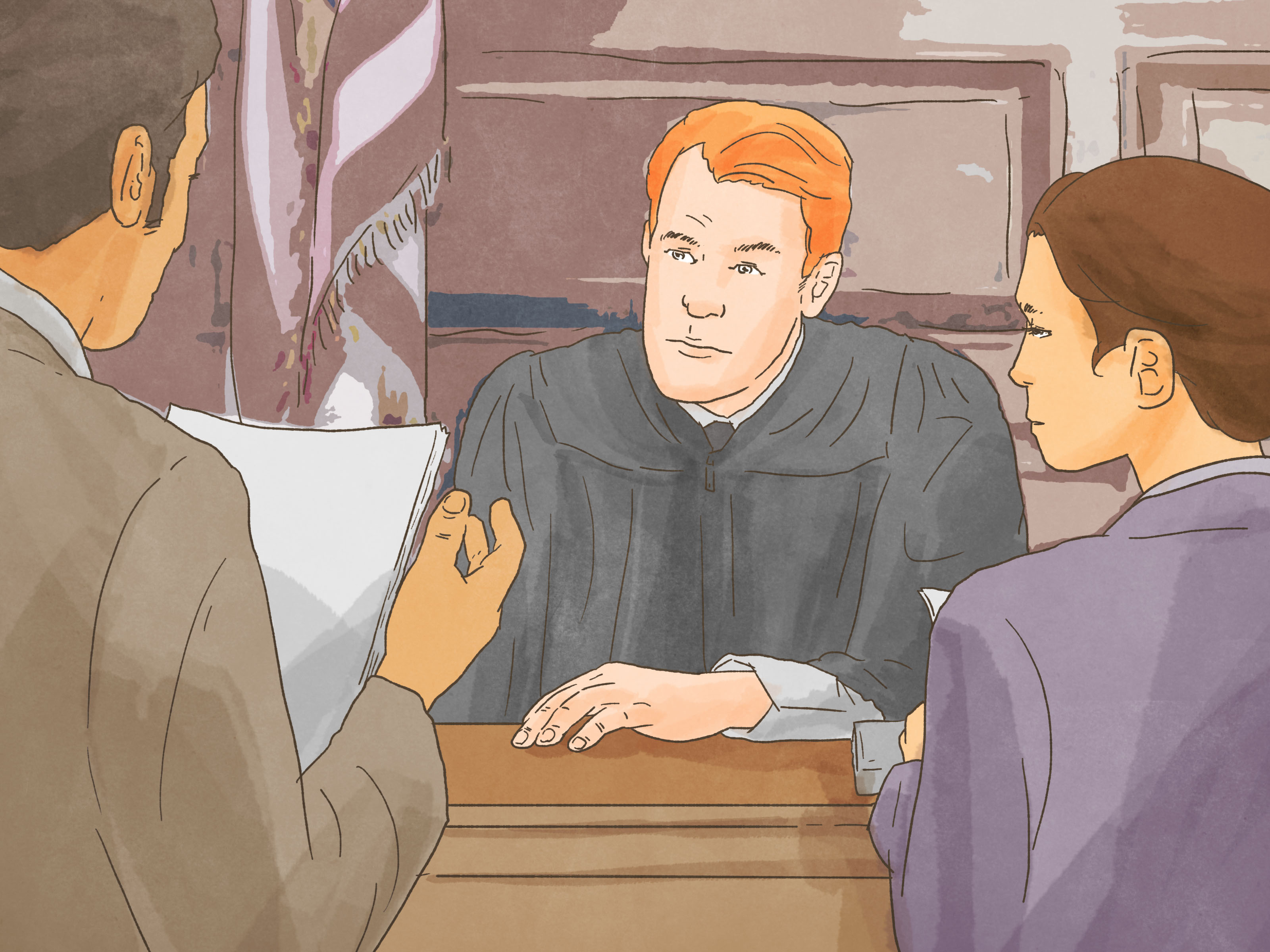
The key difference between a short sale and a regular home sale is that the seller cannot approve the final deal alone. Even if the homeowner accepts your offer, the lender still has to review and approve it. That extra approval layer is why short sales often take longer than traditional purchases.
For buyers, this structure creates both opportunity and friction. The opportunity is that the lender may be motivated to avoid the time and cost of foreclosure. The friction is that lenders are not in the business of handing out discounts like coupons at a grocery store. They want to limit losses, confirm market value, and make sure the offer is serious.
Main Advantages to Buying a Short Sale
1. Potential to Buy Below Market Value
The biggest reason buyers look at short sales is price. Short sale homes are often listed competitively because the seller is in financial distress and the lender wants to recover as much money as possible without moving through foreclosure. This can create room for a buyer to purchase a property for less than comparable homes in the same neighborhood.
For example, imagine similar homes in a neighborhood are selling for around $375,000. A short sale property in similar condition may be listed at $345,000 to attract serious offers. That does not automatically mean the bank will accept a lowball bid, but it may give a prepared buyer a more affordable entry point.
This advantage is especially appealing in high-cost markets where every dollar matters. A lower purchase price may reduce the down payment, monthly mortgage payment, property taxes, and overall loan amount. Over time, even a modest discount can make a meaningful difference in total housing costs.
2. Less Competition From Other Buyers
Many buyers avoid short sales because they have heard horror stories about slow approvals, confusing paperwork, and deals that fall apart at the finish line. Their hesitation can become your advantage.
In a traditional hot market, a clean, well-priced home may attract multiple offers within days. Short sales are different. Because they require patience and lender approval, they often appeal to a smaller pool of buyers. Investors may still show up, of course, because investors have a sixth sense for discounted property. But compared with a move-in-ready home with a standard closing timeline, a short sale may face less emotional bidding-war chaos.
Less competition can give you more breathing room. You may have time to inspect the property carefully, compare nearby sales, review repair costs, and decide whether the home truly fits your budget. In other words, you may be able to think with your brain instead of your panic-clicking home search app.
3. Short Sales May Be in Better Condition Than Foreclosures
A short sale is not the same as a foreclosure. In many short sale situations, the homeowner may still occupy the property or at least maintain some level of care before closing. With a foreclosure, the property may have been vacant, neglected, damaged, or exposed to weather and vandalism for a longer period.
This does not mean every short sale home is pristine. Some sellers facing financial hardship may have delayed maintenance because they simply could not afford repairs. However, short sale homes can sometimes be in better overall condition than bank-owned foreclosure properties.
For buyers, that can mean fewer surprises, a more livable property, and potentially lower renovation costs after closing. A roof that needs replacement is still a roof that needs replacement, but a house that has been occupied and cared for is often less intimidating than one that has been sitting empty with raccoons hosting networking events in the attic.
4. More Room for Inspection Than Some Distressed Sales
One major advantage of buying a short sale is that buyers can often include standard contingencies, including a home inspection contingency. This matters because distressed properties can come with hidden issues such as plumbing leaks, foundation problems, roof damage, outdated electrical systems, or HVAC trouble.
A professional inspection gives you a clearer picture of what you are buying. If the inspection reveals major defects, you may be able to walk away depending on the terms of your contract. You may also use the findings to decide whether the price still makes sense.
That said, short sales are commonly sold “as is.” The seller may not have money for repairs, and the lender may refuse to reduce the price after inspection. Still, being able to inspect before fully committing is valuable. Even if nobody fixes the problems for you, at least the house has the courtesy to reveal some of its secrets before you move in.
5. Possible Opportunity for Built-In Equity
If you buy a short sale below the value of comparable homes and the property is in reasonable condition, you may begin ownership with potential equity. This is not guaranteed, and buyers should be careful with the phrase “instant equity” because it can lead to dangerously optimistic math.
Still, the opportunity exists. Suppose a short sale home is purchased for $320,000, comparable homes are valued around $350,000, and repairs cost $12,000. If the market supports the higher value, the buyer may have a stronger equity position than someone who paid full market price for a similar home.
Built-in equity can be helpful if you plan to refinance later, sell in the future, or simply want a financial cushion. The smart move is to verify value with recent comparable sales, an experienced real estate agent, and a realistic repair budget. Optimism is lovely; spreadsheets are safer.
6. Lenders May Be Motivated to Avoid Foreclosure Costs
Foreclosure can be expensive and time-consuming for lenders. It may involve legal costs, property maintenance, taxes, insurance, resale expenses, and the risk that the home declines in value while the process drags on. Because of this, a lender may prefer approving a short sale if the offer is reasonable and the numbers make sense.
This does not mean the lender will accept any offer. Banks and mortgage servicers typically review market value carefully. They may order a broker price opinion or appraisal to confirm that your offer is fair. But if your offer is strong, your financing is solid, and your paperwork is complete, the lender may see the short sale as a practical exit.
For buyers, this motivation can create a negotiation opening. You are not simply asking for a discount; you are offering a solution to a complicated financial problem.
7. Short Sales Can Offer More Flexibility Than Foreclosures
Compared with foreclosures or auction properties, short sales often feel more like traditional purchases. You may be able to tour the home, review disclosures when available, inspect the property, and negotiate through real estate agents. That makes the process more approachable for buyers who want a deal but do not want to bid blindly on a courthouse-steps mystery box.
Foreclosure auctions may require cash, quick closing, limited access, and minimal inspection opportunities. Bank-owned properties can also be sold as is with strict terms. A short sale may still be complicated, but it often gives buyers more information before committing.
This flexibility can be especially helpful for first-time homebuyers, families, and buyers using mortgage financing. You still need patience, but you may not need the same level of risk tolerance required for certain foreclosure purchases.
8. A Short Sale Can Help Everyone Move Forward
Although buyers naturally focus on price, short sales can also create a more humane outcome for the seller. The homeowner may avoid foreclosure, reduce financial damage, and move on with more control over the process. The lender may limit losses. The buyer may purchase a home at a better price.
Real estate is often described in cold numbers: loan balances, appraisals, interest rates, closing costs. But homes are personal. A short sale can be stressful for the seller, and a respectful buyer who submits a clean, realistic offer may help bring a difficult chapter to a close.
That does not mean you should overpay out of sympathy. This is still a major financial decision. But it is fair to recognize that a successful short sale can benefit more than one party.
Short Sale vs. Foreclosure: Why Buyers May Prefer a Short Sale
Short sales and foreclosures are both distressed-property situations, but they are not identical. A foreclosure happens when the lender takes legal action to repossess the property after the borrower defaults. A short sale usually happens before foreclosure is completed and requires lender approval to sell for less than the mortgage balance.
For buyers, short sales may offer several advantages over foreclosures:
- The home may be occupied or better maintained.
- You may have more access for inspections.
- The transaction may allow more traditional financing.
- You may have more information about the property before closing.
- The purchase process may feel less risky than an auction.
Foreclosures can sometimes sell for lower prices, but lower price does not always mean better value. A deeply discounted foreclosure with major repairs, title complications, or occupancy issues can quickly become more expensive than a short sale that appears slightly higher on paper.
Who Should Consider Buying a Short Sale?
A short sale is best for buyers who have flexibility, patience, and a strong tolerance for paperwork. If you must move within 30 days, a short sale may not be your best friend. It is more like that friend who says, “I’m five minutes away,” while still looking for their shoes.
You may be a good candidate for buying a short sale if:
- You are not in a rush to close.
- You have mortgage preapproval or cash proof ready.
- You are comfortable buying a home that may need repairs.
- You can handle uncertainty during lender review.
- You are working with an agent experienced in short sales.
- You have enough savings for inspections, closing costs, and possible improvements.
Short sales can be especially attractive to buyers who want a primary residence in a neighborhood they like but need a more affordable purchase price. They can also appeal to investors who understand renovation budgets and holding timelines.
How to Improve Your Chances of Buying a Short Sale Successfully
Work With an Experienced Short Sale Agent
A short sale is not the ideal place for guesswork. Choose a real estate agent who has handled short sale transactions before. The agent should understand lender timelines, required documents, negotiation strategy, contingencies, and how to keep communication moving.
An experienced agent can help you avoid common mistakes, such as making an unrealistic offer, missing lender deadlines, or assuming the seller’s acceptance means the deal is final. In a short sale, the seller’s “yes” is important, but the lender’s “yes” is the golden ticket.
Get Preapproved Before Making an Offer
Lenders reviewing short sale offers want serious buyers. A mortgage preapproval letter shows that you have already spoken with a lender and appear financially qualified. If you are paying cash, proof of funds serves a similar purpose.
Preapproval also helps you understand your true budget. A lower purchase price is attractive, but you still need to account for closing costs, inspections, insurance, taxes, possible repairs, and moving expenses. The couch will not move itself, and sadly, neither will the emergency fund.
Make a Clean, Realistic Offer
Short sale buyers sometimes assume they should make an extremely low offer because the property is distressed. That strategy can backfire. The lender will usually compare your offer to the home’s market value. If your offer is too low, the bank may reject it or request a higher price.
A strong offer is not always the highest offer. It is an offer supported by comparable sales, clean financing, reasonable contingencies, and a buyer who can wait through the approval process. The goal is to look reliable, not reckless.
Order a Home Inspection
Never skip the inspection just because the price looks good. A short sale home may have deferred maintenance, and repairs can change the financial picture quickly. A discounted house with a failing foundation is not a bargain; it is a very expensive workout plan involving stress and contractors.
Use the inspection to evaluate major systems, safety issues, structural concerns, roof condition, plumbing, electrical systems, drainage, pests, and signs of water damage. If the home needs repairs, get estimates before deciding whether to proceed.
Be Patient With the Timeline
Short sales can take several months, especially when there are multiple loans or lienholders. The lender may need time to review the seller’s hardship package, order valuation reports, examine your offer, and issue approval. Delays are common.
If your lease is ending, your rate lock is expiring, or your moving schedule is strict, talk with your agent and lender before committing. A short sale can be worth the wait, but only if the timing works for your life.
Common Risks Buyers Should Understand
The advantages to buying a short sale are meaningful, but buyers should not ignore the risks. The lender may reject your offer. The approval may take longer than expected. The property may need repairs. Other liens may complicate the transaction. The seller may not have the funds or motivation to fix issues.
There is also the emotional risk of waiting months and still not closing. That can be frustrating, especially if you have already mentally arranged furniture in the living room and named the breakfast nook “The Pancake Zone.”
The best protection is preparation. Work with experienced professionals, keep your financing updated, review deadlines carefully, and avoid spending money on nonrefundable items until the deal is truly secure.
Specific Example: When a Short Sale Makes Sense
Consider a buyer named Emily who wants to purchase in a neighborhood where most homes sell for $425,000. She finds a short sale listed at $389,000. The home needs cosmetic updates, a new water heater, and minor roof repairs estimated at $14,000 total.
Emily works with an agent experienced in short sales. She gets preapproved, reviews comparable sales, orders an inspection, and submits a realistic offer with proof of financing. The lender takes 90 days to approve the sale. The process is slow, but Emily closes at a price that leaves room in her budget for repairs.
In this case, the short sale works because Emily has patience, realistic expectations, and enough savings to handle improvements. She does not assume the home is perfect. She confirms the numbers and accepts the slower timeline in exchange for a better price.
Experience-Based Insights: What Buyers Often Learn From Short Sales
One of the biggest lessons buyers learn from short sales is that the best deal is not always the fastest deal. Traditional home purchases can feel like a sprint: tour the house, submit the offer, survive the inspection, sign a stack of documents tall enough to qualify as furniture, and get the keys. A short sale is more like a careful hike. The view can be worth it, but you need better shoes and a snack.
In real-world buying experiences, patience is often the deciding factor. Many buyers start enthusiastic, then become nervous when lender approval takes weeks or months. The buyers who handle short sales best are usually the ones who understand from the beginning that silence does not always mean disaster. Sometimes it simply means the file is sitting with a negotiator, valuation department, investor, or second lienholder.
Another practical experience is that repair costs matter more than the list price. Buyers may get excited about a short sale listed below nearby homes, but the inspection tells the real story. A $25,000 discount sounds wonderful until the roof, HVAC system, and plumbing form a tiny rebellion. Experienced buyers treat the inspection as a budget tool, not just a yes-or-no formality.
Buyers also learn the importance of emotional discipline. A short sale can test your attachment to a property. You may love the kitchen, the backyard, the school district, or the fact that the primary bedroom gets perfect morning light. But until the lender approves the deal, the home is not yours. Smart buyers stay interested without becoming so emotionally locked in that they ignore red flags.
Communication is another major lesson. The best short sale experiences usually involve a responsive buyer’s agent, a knowledgeable listing agent, an organized seller, and a lender that receives complete documentation. When one piece of that chain is missing, delays multiply. Buyers cannot control everything, but they can control their own readiness: updated preapproval letters, quick signatures, proof of funds, and timely responses.
Many successful short sale buyers also say they benefited from having backup plans. They continued watching the market, kept their rental situation flexible, and avoided scheduling movers too early. This reduced stress and helped them make better decisions. A short sale can be an opportunity, but it should not become a financial trap simply because the buyer has no Plan B.
Finally, experienced buyers recognize that a short sale is not just a discount strategy. It is a transaction involving financial hardship, lender review, legal documents, and a property that may need work. When handled carefully, it can lead to a good home at a fair price. When handled carelessly, it can become a long, expensive lesson with very nice countertops.
Conclusion: Are the Advantages to Buying a Short Sale Worth It?
The advantages to buying a short sale can be significant. Buyers may find a lower purchase price, less competition, more inspection opportunity than some foreclosure purchases, and the possibility of buying into a desirable neighborhood at a more manageable cost.
However, the benefits come with trade-offs. Short sales require patience, due diligence, strong financing, and a willingness to deal with uncertainty. They are not ideal for every buyer, especially anyone who needs a fast, predictable closing. But for prepared buyers who understand the process, a short sale can be a smart path to homeownership.
The key is to treat the purchase like a business decision with a home attached. Run the numbers. Inspect carefully. Work with experienced professionals. Stay flexible. And remember: a good deal is not just a low price. It is a property that fits your budget, your timeline, your repair tolerance, and your long-term goals.
Note: This article is for general educational purposes and should not replace advice from a licensed real estate agent, mortgage professional, attorney, tax advisor, or home inspector.