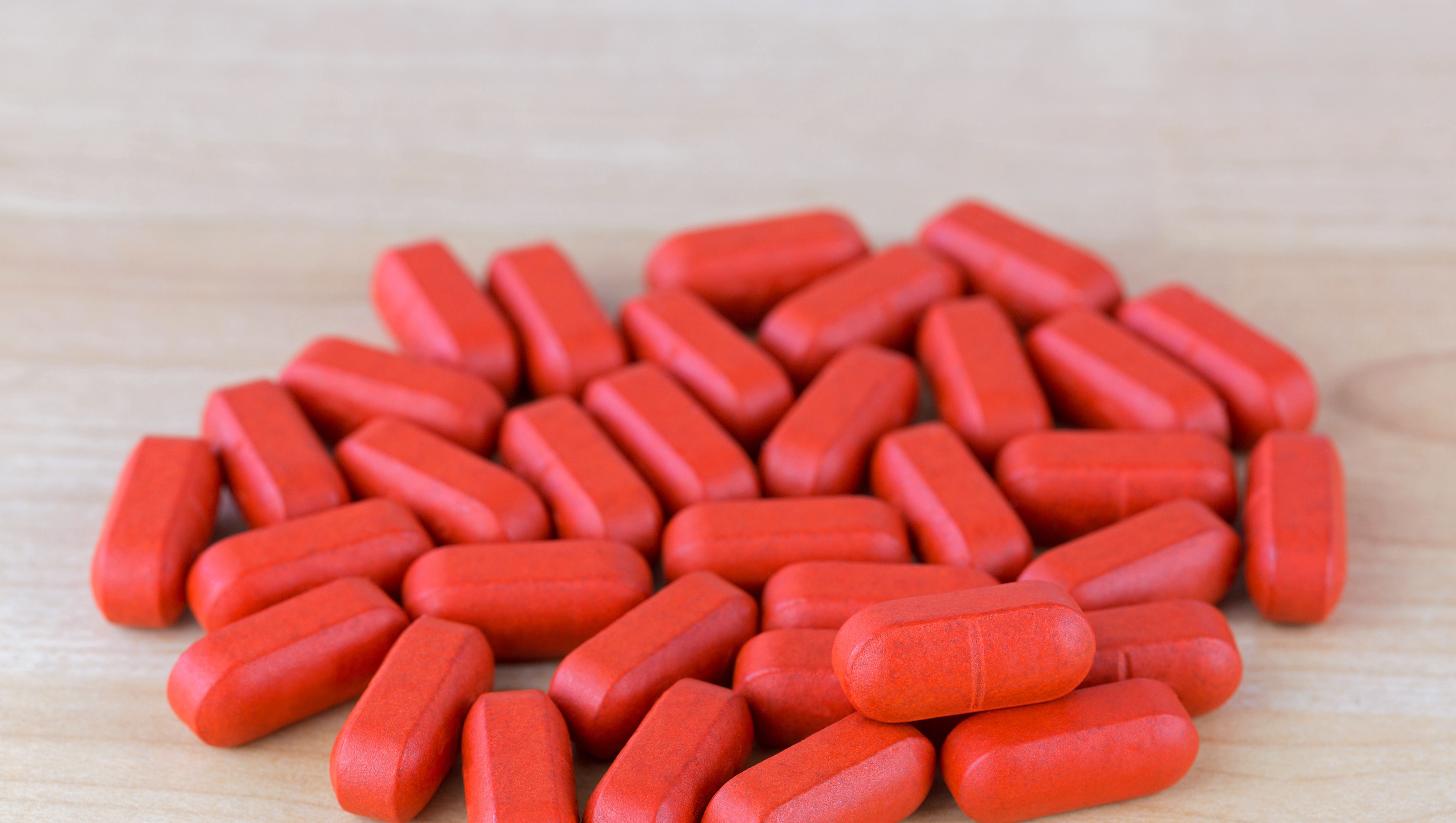
If you have ever swallowed an iron and folic acid tablet and then spent the next few hours wondering why your stomach suddenly developed opinions, you are not alone. These tablets are widely used for iron deficiency anemia, folate deficiency, and pregnancy support. They can be genuinely helpful, but they are also famous for causing a handful of side effects that range from mildly annoying to “why is my poop suddenly black?”
The good news is that many side effects of iron and folic acid tablets are common, expected, and manageable. The less-fun news is that some symptoms should not be brushed off. Knowing the difference can save you a lot of discomfort, and possibly a panicked internet search at 2 a.m. In this guide, we will break down the most common side effects, explain which ingredient usually causes what, share practical tips to make the tablets easier on your body, and cover when it is time to call a healthcare professional.
Why People Take Iron & Folic Acid Tablets in the First Place
Iron and folic acid are often paired together for a simple reason: they both help your body make healthy red blood cells. Iron is needed to make hemoglobin, the protein that carries oxygen in your blood. Folic acid, the synthetic form of folate, helps your body make DNA and supports cell growth and division. When either one runs low, anemia can show up and bring fatigue, weakness, shortness of breath, headaches, and a general sense that climbing stairs has become a competitive sport.
These tablets are especially common during pregnancy because iron needs increase, and folic acid plays an important role before and during early pregnancy. Many prenatal supplements include both. They are also prescribed or recommended for people with diagnosed iron deficiency, poor dietary intake, heavy menstrual bleeding, certain digestive conditions, or recovery after blood loss.
The Most Common Side Effects of Iron & Folic Acid Tablets
Let’s start with the headline: most side effects from iron and folic acid tablets are digestive. Iron is usually the main troublemaker here. Folic acid tends to be gentler, though it can still cause problems in some people.
1. Constipation
This is the side effect iron is most notorious for. If your bathroom routine suddenly slows to a crawl after starting iron tablets, that is a very common reaction. Stools may become harder, drier, and more difficult to pass. Some people feel bloated or uncomfortable for days before realizing the supplement is the culprit.
Constipation happens because oral iron can irritate the digestive tract and change how the gut handles waste. The result is not glamorous, but it is familiar to countless people taking iron supplements. This is also one of the biggest reasons people stop taking their tablets too soon.
2. Nausea
Nausea is another classic complaint, especially when the tablet is taken on an empty stomach. Iron is absorbed best that way, but your stomach may strongly disagree. Some people feel only a little queasy. Others feel like breakfast has become a personal enemy.
If the tablet makes you nauseated every single time, the problem is often timing, dose strength, or the specific form of iron. It does not always mean you need to quit the supplement completely, but it may mean the routine needs adjusting.
3. Stomach Pain or Cramping
Iron tablets can cause abdominal discomfort, cramping, or a heavy, irritated feeling in the stomach. For some people it feels like mild indigestion. For others it feels more like a small protest happening right under the ribs. This side effect is more likely when the dose is high or when the tablet is taken without food.
4. Diarrhea
Constipation gets most of the attention, but diarrhea can happen too. Some people respond to iron tablets with loose stools, urgency, or stomach churning. It is less famous than constipation, but still very real. If it is brief and mild, it may settle as your body adjusts. If it is persistent, it is worth discussing with a clinician.
5. Dark or Black Stools
This one sends a lot of people into unnecessary panic. Iron can turn stools dark green, gray, or black. In many cases, that is normal and harmless. It is one of the most common visual side effects of iron tablets.
That said, there is a catch. Normal iron-related dark stool is not the same thing as tarry stool, stool with red streaks, or black stool paired with severe stomach pain, dizziness, or vomiting blood. If the stool looks tarry or you have signs of bleeding, that needs medical attention.
6. Vomiting or Feeling Like You Might Vomit
Some people go beyond nausea and actually vomit, especially with higher doses of iron. Repeated vomiting is not something to simply “push through.” If you cannot keep the supplement down, it is time to contact your healthcare provider instead of forcing yourself into a miserable repeat performance every morning.
7. Bloating, Gas, or Loss of Appetite
Folic acid is usually not the dramatic one in the room, but some people do notice mild nausea, bloating, gas, or reduced appetite. These symptoms are often temporary and less intense than iron-related side effects. Still, when they happen alongside iron, the combined effect can make the whole tablet feel harder to tolerate.
Which Ingredient Is Usually Causing the Problem?
In combined iron and folic acid tablets, iron is usually responsible for most day-to-day side effects. Constipation, stomach cramps, nausea, vomiting, and dark stools are strongly linked to iron supplementation. Folic acid, by contrast, is often well tolerated at standard doses.
That does not mean folic acid is side-effect free. Rarely, it can cause allergic-type reactions such as rash, itching, redness, or trouble breathing. It may also contribute to mild digestive issues in some people. But if you are taking a combined tablet and your stomach is staging a rebellion, iron is usually the prime suspect.
Side Effects That Should Not Be Ignored
Some reactions are annoying-but-common. Others deserve prompt medical attention.
Call Your Doctor If You Have:
Severe or persistent abdominal pain, repeated vomiting, ongoing diarrhea, constipation that becomes intense or painful, or symptoms that make it hard to eat, drink, or function normally. Also speak up if your stools are black and tarry rather than simply dark, or if you notice red blood.
Get Urgent Help If You Have:
Trouble breathing, swelling of the face or throat, hives, a widespread rash, fainting, or signs of a serious overdose. Iron overdose is especially dangerous in children, which is why these tablets should always be stored well out of reach. A child swallowing iron tablets is not a “wait and see” moment.
How to Reduce Side Effects Without Sabotaging the Supplement
The goal is not just to take the tablet. The goal is to take it in a way that your body can tolerate long enough for it to work.
Take It With a Small Amount of Food If Needed
Iron is best absorbed on an empty stomach, but real life is not a laboratory. If taking it on an empty stomach leaves you nauseated or crampy, taking it with a small amount of food may help. Yes, absorption may drop a bit, but a tablet you can actually keep taking usually beats a perfectly absorbed tablet you quit after three miserable days.
Avoid Taking It With Certain Foods and Drinks
Milk, calcium supplements, and antacids can interfere with iron absorption. High-fiber foods and caffeinated drinks can also get in the way. So if your routine is iron tablet, giant latte, and bran cereal all at once, your supplement may not be thrilled about that arrangement.
Consider Vitamin C
Some clinicians suggest taking iron with vitamin C or orange juice because it may improve absorption. That can be a useful strategy if your provider agrees and your stomach tolerates it.
Space It Away From Certain Medications
Iron can interfere with the absorption of some antibiotics and other medicines. It can also affect how well thyroid medication works if taken too close together. Folic acid can interact with certain medications too, including methotrexate, some anti-seizure medicines, and sulfasalazine. If you take prescription medicines regularly, it is smart to ask your pharmacist or clinician exactly how to space them.
Do Not Double Up If You Miss a Dose
If you forget one dose, do not try to compensate by taking two at once unless your healthcare provider specifically tells you to. Double-dosing is a fast track to more stomach upset and a terrible afternoon.
Who Should Be Extra Careful With Iron & Folic Acid Tablets?
These supplements are common, but they are not casual candy. Some people need closer supervision when taking them.
You should be especially cautious if you have a history of ulcers, gastrointestinal bleeding, inflammatory bowel issues, trouble swallowing pills, or a condition linked to iron overload, such as hemochromatosis. People taking cancer-related methotrexate or certain anti-seizure medications should not add folic acid casually without medical advice. And anyone with possible vitamin B12 deficiency should not treat themselves with high-dose folic acid on autopilot, because folic acid can make anemia look better while the nerve-related damage of B12 deficiency continues underneath the surface.
How Long Do the Side Effects Last?
That depends on the person, the dose, and the form of iron used. Some people improve after a few days as the body adjusts. Others keep dealing with constipation or nausea until the routine changes. If the side effects are mild, short-lived, and manageable, your body may simply need time. If they are getting worse, not better, that is a sign to check in rather than suffer in silence.
Also, keep in mind that these tablets are often taken for weeks or months, not just a weekend. That means comfort matters. A supplement plan only works if you can stick with it long enough to rebuild iron stores or correct deficiency.
Should You Stop Taking Iron & Folic Acid Tablets?
Not automatically. Mild constipation, mild nausea, and dark stools are often expected side effects and not a reason to quit immediately. But stopping or continuing should not be a guessing game if symptoms are strong.
If you are taking the tablets because a clinician recommended them for anemia, pregnancy, or deficiency, contact that clinician before stopping whenever possible. There may be a better option, such as a different iron salt, a lower dose, a slower ramp-up schedule, a stool-softening strategy, or a different timing routine. Sometimes the answer is not “stop the supplement.” Sometimes the answer is simply “stop taking it like a chaos gremlin.”
Experiences With Iron & Folic Acid Tablets
Note: The experiences below are composite, illustrative examples based on common patterns people report when taking iron and folic acid tablets. They are not individual case reports, but they do reflect the kinds of real-world problems many people run into.
One very common experience starts with good intentions and a rushed morning. Someone takes an iron and folic acid tablet with coffee, skips breakfast, heads to work, and then spends the next hour feeling queasy at their desk. By lunchtime, they are convinced the supplement is “too strong” for them. In reality, the tablet may not be the problem by itself. The empty stomach, the coffee, and the lack of water can all make the experience much worse.
Another person starts the supplement and notices constipation within three or four days. Nothing dramatic at first, just a sense that their body has shifted into low gear. Then comes bloating, harder stools, and that frustrating feeling of being uncomfortable all day. Many people in this situation assume they should stop immediately. But sometimes simple changes help: more fluids, better meal timing, walking a bit more, or asking a clinician whether the iron form or dose can be adjusted.
Pregnant patients often describe a different version of the same story. They may already be dealing with nausea from pregnancy, and then the iron-folic acid tablet arrives like an uninvited opening act. Suddenly it becomes hard to tell what is pregnancy nausea and what is supplement nausea. Some find that taking the tablet later in the day or with a small snack makes it far more manageable. Others need a prenatal formula change. The main lesson is that suffering in silence is not a requirement for being responsible.
Then there is the black stool moment. It catches many people off guard. They look in the toilet, see a dark color, and immediately assume something is very wrong. Understandably so. Stool changes can be alarming. But with iron tablets, dark stool is one of the most common and harmless side effects. The panic usually fades once they learn that “black-ish because of iron” is different from “black and tarry with pain or bleeding signs.” That distinction matters, and it saves a lot of unnecessary fear.
Some people also report feeling fine on the first few doses and then suddenly noticing side effects later. That can happen because iron’s digestive effects sometimes build over several days instead of arriving instantly. Others experience the opposite: the first week is rough, then the body settles down. That uneven pattern is one reason patients should not judge the entire treatment plan based on one bad morning.
There are also people who assume folic acid is always side-effect free until they notice mild nausea, a strange taste, bloating, or a rash. Those reactions are less common, but they do happen. When a rash or breathing issue appears, that is not something to “wait out.” It is something to report promptly.
Overall, the most realistic experience with iron and folic acid tablets is not perfection. It is adjustment. People often need a few tries to figure out the best timing, the best meal pairing, and the best routine. Once that happens, the tablets usually become much more manageable, and the benefits begin to outweigh the inconvenience.
Conclusion
Side effects of taking iron and folic acid tablets are usually more irritating than dangerous, but they still deserve respect. The most common issues include constipation, nausea, stomach pain, diarrhea, and dark stools, with iron doing most of the digestive mischief. Folic acid is generally easier to tolerate, though rare allergic reactions can happen and high-dose use deserves care.
The smartest approach is to know what is normal, know what is not, and work with your healthcare provider if the tablets are making daily life miserable. In many cases, a small timing change, better spacing from food or medications, or a different formulation can make a big difference. In other words, these tablets do not have to run your life just because they are trying to improve your bloodwork.