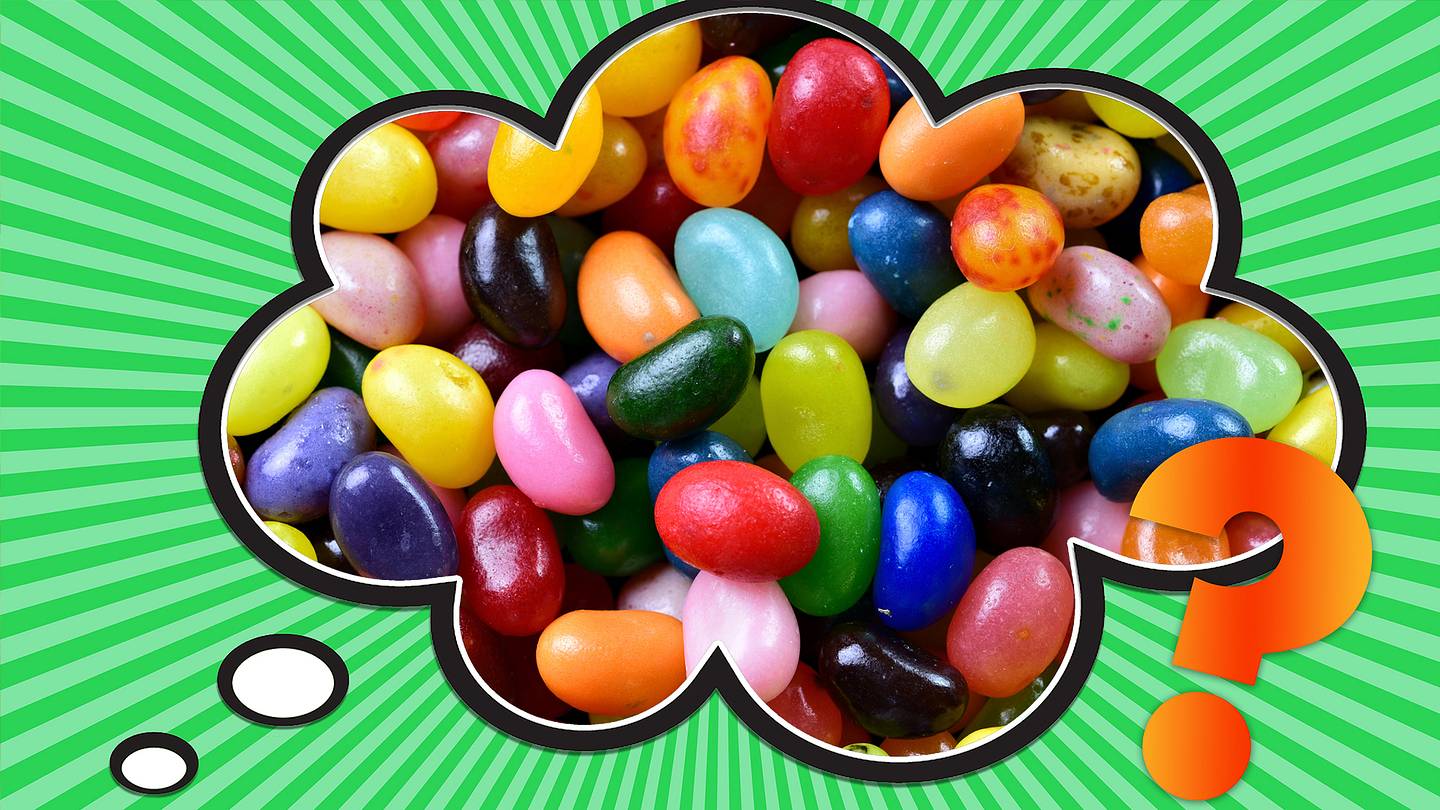
Some candies try to be elegant. Some try to be nostalgic. Jelly Belly, on the other hand, has made an art form out of asking, “What if this tiny bean tasted like birthday cake… or old bandage?” That is the strange magic behind Jelly Belly weird flavors: they are funny, surprisingly accurate, occasionally horrifying, and somehow still safe enough to eat while your friends point and laugh.
The short answer is that Jelly Belly creates its unusual jelly bean flavors through a mix of candy-making tradition, flavor chemistry, sensory testing, aroma analysis, and a very brave research-and-development team. The long answer is more deliciously strange. These beans are not just sugar shells with a vague scent sprayed on top. Jelly Belly became famous because the flavor is built into both the shell and the center, which gives each bean a more complete “true-to-life” taste experience. That matters whether the goal is pear, buttered popcorn, toasted marshmallow, toothpaste, or something that sounds like it escaped from a locker room.
So how does Jelly Belly create its weird flavors? It starts with understanding that flavor is not only taste. Your tongue detects basics such as sweet, sour, salty, bitter, and savory, but your nose does much of the heavy lifting. Aroma compounds travel from your mouth to your nasal passages while you chew, helping your brain decide whether something tastes like peach cobbler, cappuccino, or a dare gone wrong. Jelly Belly’s flavor experts use that science to turn real-world smells and food memories into tiny candies with big personalities.
The Secret Is Not “Real Socks,” Thankfully
Let’s clear up the most important question first: Jelly Belly does not need to put actual dirty socks, dead fish, or wet dog into its jelly beans. Humanity may be questionable, but candy manufacturing still has standards.
Instead, flavor developers study the aroma profile of a target flavor. In food science, many recognizable flavors come from volatile compounds, which are aroma molecules that evaporate easily and reach your nose. A ripe banana, a roasted coffee bean, a buttered popcorn bowl, and yes, even a less glamorous smell like stinky socks each have chemical fingerprints. The trick is identifying which compounds create the strongest sensory impression, then recreating that impression in a food-safe flavor system.
One tool often associated with this kind of work is gas chromatography, a laboratory method used to separate and identify volatile compounds. In simple terms, a sample can be heated or prepared so its aroma compounds become vapor. The instrument separates those compounds, giving flavor scientists a map of what makes that smell recognizable. From there, the Jelly Belly team can work with safe flavor ingredients to build an edible version of the experience.
That does not mean every weird flavor is a perfect chemical photocopy. Flavor creation is more like composing music than photocopying a document. A flavorist may need one compound for a fruity top note, another for a fermented edge, another for a buttery body, and another for the “oh no” finish that makes BeanBoozled players question their life choices.
Why Jelly Belly Flavors Taste So Specific
Most basic jelly beans taste like “red,” “green,” or “yellow.” Jelly Belly built its reputation by going much further. Its classic flavors include specific profiles like Very Cherry, Juicy Pear, Toasted Marshmallow, Buttered Popcorn, and Cappuccino. Those flavors work because the company focuses on layered realism.
A realistic fruit jelly bean may use fruit juices, purees, acids, aroma compounds, color, and sweetness balance. A dessert flavor might need creamy notes, caramelized notes, vanilla-like aromas, and a soft finish. A savory flavor such as buttered popcorn is even trickier because jelly beans are naturally sweet. If the sugar dominates, the flavor turns into “popcorn wearing a cupcake costume.” To make savory flavors believable, developers have to reduce the perception of sweetness and amplify salty, buttery, roasted, or cheesy impressions without making the bean unpleasant.
This is one reason Jelly Belly’s flavor development can be surprisingly technical. The candy base is a “vehicle,” meaning it carries the flavor. But that vehicle has its own personality: sugar, corn syrup, starch, texture, chew, acidity, and coating. A flavor that tastes perfect in a beverage or baked good might behave very differently inside a jelly bean. The flavor has to survive cooking, drying, coating, polishing, packaging, shipping, and finally being eaten by someone who may be filming the whole thing for social media.
From Idea to Bean: The Flavor Development Process
1. The Team Chooses a Flavor Concept
Every Jelly Belly flavor starts as an idea. Sometimes the idea is familiar and friendly: strawberry, watermelon, lemon, or root beer. Sometimes it comes from pop culture, holidays, restaurant desserts, cocktails, or brand collaborations. And sometimes the idea sounds like it came from a prank committee with a budget: booger, barf, rotten egg, stink bug, liver and onions, or burnt rubber.
For normal flavors, the goal is pleasure. For BeanBoozled flavors, the goal is accuracy mixed with comedy. The flavor has to be gross enough to be funny, but not so gross that the game becomes a crime scene. The bean must still be edible, safe, and stable.
2. Flavor Scientists Study the Target
Next comes research. If the team is creating a fruit flavor, they may examine the actual fruit’s aroma and taste. If they are creating a popcorn flavor, they need buttery, toasted, salty, and corn-like notes. If they are creating a “wet dog” style flavor, the process becomes less about culinary pleasure and more about capturing a recognizable smell without using anything unsafe or unsanitary.
Flavor developers use sensory descriptions, chemical analysis, and experience to determine what makes a flavor read correctly to the human brain. This is where aroma becomes crucial. You can pinch your nose and still sense sweetness or sourness, but the full identity of a food usually arrives when aroma joins the party. That is why a jelly bean can taste like pear even though your tongue alone is not detecting “pear.” Your brain builds pear from sweetness, acidity, aroma, memory, and expectation.
3. The Flavor Is Built With Food-Safe Ingredients
Once the target profile is understood, flavorists build a formula. This may involve natural flavors, artificial flavors, acids, sweeteners, fruit concentrates, colors, and other ingredients in tiny amounts. In U.S. food labeling, “natural flavor” generally refers to flavoring derived from plant, animal, or fermentation sources, while “artificial flavor” refers to flavoring not derived from those sources. Both can involve chemistry, both are regulated, and both may be used to create consistent taste.
The important point is that “flavor chemistry” is not automatically scary. The smell of a fresh orange is chemistry. The aroma of vanilla is chemistry. The regrettable scent of gym socks is also chemistry, though admittedly chemistry with poor manners. Jelly Belly’s job is to use safe, controlled flavor compounds to suggest a real-world taste or smell inside a candy.
4. Small Test Batches Are Made
After a flavor formula looks promising on paper, it has to prove itself in an actual jelly bean. This is where things get difficult. A flavor that smells perfect in a bottle may taste too weak after cooking. A bean that seems great on day one may change after drying. A color might suggest the wrong flavor. A texture might make a creamy flavor feel less creamy. Candy is dramatic like that.
Jelly Belly makes test batches and evaluates them carefully. Flavor experts compare the bean with the target flavor, asking questions such as: Does it taste recognizable? Does it arrive quickly? Does it fade cleanly? Is the aftertaste right? Is it too sweet, too sour, too bitter, or too weird even for a weird flavor?
For normal flavors, the bean must be delicious. For gross flavors, the bean must be accurately gross. That is a much finer line than people think. A barf-flavored bean needs to suggest barf without being dangerous, and a toothpaste-flavored bean needs to feel minty and foamy without actually becoming dental hygiene equipment.
The BeanBoozled Genius: Same Look, Wildly Different Flavor
Jelly Belly’s BeanBoozled line is where weird flavor engineering becomes a party game. The concept is simple and cruel: two jelly beans look nearly identical, but one tastes pleasant and the other tastes shocking. You may get Berry Blue or Toothpaste. You may get Tutti-Frutti or Stinky Socks. You may get Peach or Barf. The candy bowl has become a casino, and your taste buds are the chips.
This visual trick is a major part of the experience. If a bean looked like danger, players would avoid it. Instead, BeanBoozled pairs use matching colors and patterns so players cannot easily tell which flavor they are about to eat. That means Jelly Belly has to engineer not just taste, but disguise. The gross flavor must share a convincing appearance with a good flavor.
The result is brilliant because it uses expectation against you. When you see a cheerful speckled jelly bean, your brain prepares for fruit or dessert. Then the flavor says, “Surprise, it’s dead fish.” That gap between expectation and reality creates the laughter, screaming, betrayal, and dramatic leaning over trash cans that made BeanBoozled famous.
Why Some Weird Flavors Become Fan Favorites
Not all unusual Jelly Belly flavors are designed to be disgusting. Buttered Popcorn, for example, is one of the most famous oddball candy flavors ever. When people first hear about it, they often react with suspicion. Then they try it and realize it captures the warm, buttery, salty-sweet smell of movie theater popcorn in a tiny bean. It should not work. And yet it does, like a magician pulling a snack bar out of a hat.
Other flavors succeed because they tap into strong memories. Root beer feels nostalgic. Toasted Marshmallow suggests campfires. Cotton Candy tastes like fairs and sticky fingers. Cappuccino brings roasted bitterness and creaminess. Even a flavor like Juicy Pear works because it mimics not just pear sweetness, but the slightly floral, ripe, almost grainy character of pear.
The weirdness becomes charming when the flavor is specific. “Fruit” is forgettable. “Tangerine” is sharper. “Strawberry Jam” is richer. “Buttered Popcorn” is a full scene. Jelly Belly’s talent is turning tiny candies into edible snapshots.
How the Jelly Bean Itself Is Made
Flavor is only half the story. The structure of the jelly bean matters too. Jelly Belly beans are made through a multi-step candy process that can take days. The center begins as a cooked mixture, often involving sugar, corn syrup, starch, and flavor ingredients. This mixture is deposited into bean-shaped molds, where it sets and develops its chewy texture.
After the centers are ready, they move into the panning process. Panning is a traditional confectionery technique in which candy centers tumble in rotating pans while layers of sugar syrup, flavor, and color are gradually added. Each layer needs time to dry before more coating is added. This slow buildup creates the smooth shell.
Finally, the beans are polished to get their familiar shine. Ingredients such as confectioner’s glaze, beeswax, or carnauba wax may be used in jelly bean coatings to create that glossy finish. The final bean is small, colorful, smooth, and deceptively complicated.
This matters for weird flavors because the shell is not just decoration. Jelly Belly became known for flavoring both the inside and the outside of the bean. When you bite into one, the flavor does not wait politely in the middle. It starts at the surface and continues through the chew.
The Role of Color, Texture, and Psychology
Flavor is never just flavor. Color tells your brain what to expect before the candy touches your tongue. A yellow bean suggests lemon, banana, pineapple, or butter. A brown bean suggests chocolate, coffee, root beer, or something suspicious. Speckles can imply fruit bits, spice, carbonation, or chaos.
Jelly Belly uses this psychology carefully. With normal flavors, color helps guide the eater toward the intended taste. With BeanBoozled, color becomes misdirection. The same visual cue can lead to two completely different outcomes.
Texture also affects perception. A jelly bean is chewy, glossy, and sweet by nature. That makes creamy, fruity, and dessert flavors feel natural. Gross flavors require more clever balancing because the candy texture is working against the unpleasant idea. A “stink bug” bean still has the chew of a jelly bean, so the flavor has to carry the entire illusion.
Why Weird Flavors Are Great Marketing
From an SEO and branding perspective, Jelly Belly weird flavors are pure candy gold. People talk about them. They film themselves eating them. They dare friends. They buy them as gifts, punishments, party games, and office icebreakers. A normal bag of candy gets eaten. A BeanBoozled box becomes an event.
That is why strange flavors matter beyond novelty. They turn a product into a story. Nobody says, “Gather around while I eat a perfectly normal lemon jelly bean.” But say, “This might be liver and onions,” and suddenly everyone in the room has time.
Jelly Belly also benefits from contrast. Its pleasant flavors prove craftsmanship; its gross flavors prove technical range. A company that can make a bean taste like pear is impressive. A company that can make a bean taste like wet dog without using wet dog has entered a different league of snack wizardry.
Are Jelly Belly’s Weird Flavors Safe to Eat?
Yes, Jelly Belly’s weird flavors are designed to be edible. The gross names describe the flavor impression, not the literal ingredient. A Rotten Egg jelly bean is not made with unsafe rotten egg. A Stinky Socks bean is not made by raiding a middle school gym bag. The flavors are created using food-safe ingredients and manufactured under candy production standards.
That said, people with allergies, strict dietary preferences, or ingredient concerns should always read product labels. Flavor systems can be complex, and some ingredients may not be obvious from the flavor name alone. Candy is also still candy, so moderation is wise. Your dentist may admire the engineering, but probably not your plan to eat an entire box while “researching.”
Experience Section: What It Feels Like to Try Jelly Belly’s Weird Flavors
Trying Jelly Belly weird flavors is less like eating candy and more like participating in a tiny reality show hosted by your own bad decisions. The first moment is always confidence. You look at the bean. It looks innocent. It is small, shiny, and colorful. How much damage can one jelly bean do? This is the exact thought that gets people into trouble.
Then comes the bite. If you get the good flavor, relief floods the room. Berry Blue tastes bright and sweet. Peach feels juicy. Tutti-Frutti is cheerful, almost childlike. You become smug. You begin to think you have a special gift for choosing the safe beans. This confidence lasts approximately one round.
When the bad flavor hits, it usually arrives in stages. First, your brain tries to be polite. “Interesting,” it says, while quietly reaching for the emergency exit. Then the aroma blooms. Because smell is such a major part of flavor, the bean does not simply taste bad on the tongue; it seems to expand into the nose and memory. Toothpaste is manageable, even refreshing. Stinky Socks is not. Barf is especially theatrical because it triggers recognition before you can fully explain it. Your face reacts before your vocabulary catches up.
The funniest part is watching other people. Everyone has a different reaction style. Some people freeze and stare into the distance like they have just learned a family secret. Some laugh immediately. Some sprint for water, even though water is famously useless against emotional damage. Some insist they are fine while clearly not being fine. The room becomes a laboratory of human pride.
What makes the experience memorable is the uncertainty. If every bean were gross, the game would get old quickly. If every bean were delicious, it would just be candy. The magic is the risk. The pleasant flavors keep hope alive, and the nasty ones keep everyone honest.
There is also a strange respect that develops after tasting several of them. Once the shock fades, you realize how difficult these flavors must be to create. The bad ones are not random bitterness. They are oddly specific. A burnt rubber flavor has to suggest heat, smoke, and synthetic sharpness. A liver and onions flavor needs savory depth, sulfur notes, and a cooked-food heaviness. A dead fish flavor needs marine funk without becoming unsafe. That level of accuracy is both impressive and mildly concerning, like discovering your quiet neighbor is a champion sword swallower.
For parties, these beans work best when treated as entertainment rather than snacks. Put them in the center of a table, spin the wheel, and let people volunteer. Do not ambush guests unless your goal is to become a cautionary tale. Keep napkins, water, and actual delicious candy nearby. Most importantly, let everyone react dramatically. The drama is part of the flavor.
In the end, Jelly Belly’s weird flavors are popular because they create a shared story. You may forget a normal handful of candy, but you will remember the day your confident friend bit into what they thought was peach and discovered barf. That is the strange genius of Jelly Belly: it turns flavor science into comedy, chemistry into suspense, and a tiny jelly bean into a moment everyone talks about afterward.
Conclusion
Jelly Belly creates its weird flavors by combining old-school candy craftsmanship with modern flavor science. The company studies aroma compounds, builds safe flavor formulas, tests small batches, balances sweetness and texture, and uses color psychology to either guide or trick the eater. For classic flavors, the goal is realism and pleasure. For BeanBoozled flavors, the goal is safe, edible chaos.
The reason these tiny beans feel so convincing is that flavor lives in the relationship between taste, smell, texture, color, memory, and expectation. Jelly Belly understands that relationship unusually well. That is why it can make a bean taste like pear, popcorn, cappuccino, toothpaste, or wet dogand why people keep coming back, even after betrayal in bean form.
Note: This article was created from synthesized research based on official Jelly Belly information, U.S. food-labeling rules, confectionery manufacturing knowledge, and reputable American food and science reporting. It has been fully rewritten for original web publication.