Fiber has spent decades being treated like the quiet, sensible friend at the nutrition party: helpful, dependable, and rarely exciting enough to get a spotlight. But science keeps nudging it back into the center of the room. Newer research and long-standing public health guidance both point in the same direction: eating more fiber-rich foods may help lower the risk of type 2 diabetes, support better blood sugar control, improve cholesterol, and contribute to healthier blood pressure.
That is a pretty impressive résumé for something found in beans, oats, apples, berries, lentils, vegetables, nuts, seeds, and whole grains. Fiber does not arrive wearing a cape, but it does some superhero-level work behind the scenes. It slows digestion, feeds helpful gut bacteria, supports fullness, improves bowel regularity, and may reduce cardiometabolic risk factors that often travel together like an unpleasant group chat: high blood sugar, high blood pressure, unhealthy cholesterol, inflammation, and weight gain.
The key phrase is not “eat one magical food and cancel your doctor’s appointment.” The more accurate message is this: a high-fiber diet, especially one built from whole plant foods, can be a powerful part of preventing and managing diabetes and hypertension. It works best alongside regular physical activity, sleep, stress management, prescribed medication when needed, and a generally balanced eating pattern.
What Is Dietary Fiber, Really?
Dietary fiber is a type of carbohydrate found in plant foods that the body cannot fully digest or absorb. Unlike sugars and starches, fiber does not break down into glucose in the same way. Instead, it passes through the digestive system, doing useful things along the route, like a tiny nutrition janitor with excellent job security.
Soluble Fiber
Soluble fiber dissolves in water and forms a gel-like substance in the digestive tract. This gel can slow digestion, reduce sharp rises in blood sugar after meals, and help lower LDL cholesterol. Good sources include oats, barley, beans, lentils, apples, citrus fruits, chia seeds, flaxseeds, and psyllium.
Insoluble Fiber
Insoluble fiber does not dissolve in water. It adds bulk to stool and helps food move through the digestive tract. It is especially useful for regularity and digestive comfort. Sources include whole wheat, wheat bran, nuts, vegetables, beans, and the skins of many fruits.
Most fiber-rich foods contain both types. That means you do not need to build a spreadsheet called “Soluble vs. Insoluble Fiber: The Final Battle.” Eat a variety of plant foods, and your body will usually get a helpful mix.
How Fiber May Lower Diabetes Risk
Type 2 diabetes develops when the body has trouble using insulin effectively or producing enough insulin to keep blood sugar in a healthy range. Diet plays a major role because carbohydrates directly affect blood glucose. But not all carbohydrate foods behave the same way.
Refined grains, sugary drinks, pastries, candy, and many ultra-processed snacks can cause blood sugar to rise quickly. High-fiber carbohydrates, such as beans, oats, vegetables, berries, and whole grains, tend to digest more slowly. That slower digestion can lead to a steadier blood sugar response after eating.
Fiber Slows Glucose Absorption
When soluble fiber forms a gel in the gut, it slows the movement of food from the stomach into the small intestine. This helps prevent a sudden flood of glucose into the bloodstream. For people with prediabetes or diabetes, this can make meals easier on the body’s blood sugar management system.
Fiber Improves Fullness and Weight Control
High-fiber foods tend to be more filling. A bowl of lentil soup, for example, usually keeps hunger away longer than a handful of crackers. Because excess body weight is one of the major risk factors for type 2 diabetes, fiber’s ability to support satiety can indirectly help lower diabetes risk.
Fiber Supports Insulin Sensitivity
Research suggests that diets rich in fiber, especially from whole grains, legumes, fruits, and vegetables, are associated with better insulin sensitivity. That means the body may respond more effectively to insulin, helping move glucose from the blood into cells where it can be used for energy.
How Fiber May Help Lower High Blood Pressure Risk
High blood pressure, also called hypertension, is one of the most common risk factors for heart disease and stroke. It often develops quietly, which is rude, frankly. Many people do not feel symptoms, but the pressure inside blood vessels can still damage the heart, brain, kidneys, and arteries over time.
Fiber may support healthier blood pressure in several ways. First, fiber-rich foods are often naturally high in potassium, magnesium, antioxidants, and other compounds linked to heart health. Beans, leafy greens, fruits, whole grains, nuts, and seeds bring more to the table than fiber alone.
Fiber and Cholesterol
Soluble fiber can help lower LDL cholesterol by binding with bile acids in the digestive tract. The body then uses cholesterol to make more bile acids, which may reduce cholesterol circulating in the blood. Healthier cholesterol levels can improve overall cardiovascular function and reduce strain on blood vessels.
Fiber and Inflammation
A high-fiber diet also appears to support lower inflammation. Chronic inflammation is linked to insulin resistance, artery stiffness, and cardiovascular disease. When gut bacteria ferment certain fibers, they produce short-chain fatty acids, compounds that may help regulate inflammation and metabolic health.
Fiber and the Gut-Blood Pressure Connection
The gut microbiome is becoming a major area of research in both diabetes and blood pressure science. Fiber feeds beneficial gut bacteria. In return, those bacteria produce compounds that may influence blood vessel function, insulin sensitivity, immune signaling, and appetite regulation. In other words, your gut microbes are not just freeloaders; feed them properly, and some may become surprisingly useful roommates.
What the Research Says
Research on fiber and cardiometabolic health is not based on one lonely study sitting in a corner. Multiple studies, reviews, and public health organizations have found that higher fiber intake is linked with lower risk of type 2 diabetes, improved blood sugar control, healthier cholesterol levels, better digestive health, and reduced cardiovascular risk.
One study presented at an American College of Cardiology conference examined people with type 2 diabetes and hypertension. Participants who increased fiber intake showed improvements in several cardiovascular risk factors, including blood pressure, cholesterol, and fasting glucose. While conference research should be interpreted carefully until fully published and replicated, it fits with a broader body of evidence suggesting fiber-rich diets are good news for metabolic health.
Systematic reviews have also reported that increasing dietary fiber can reduce blood pressure and improve cardiovascular risk markers. The effect is not usually dramatic overnight. Fiber is not a light switch; it is more like compound interest. Add enough of it consistently, and the benefits may build over time.
How Much Fiber Do Adults Need?
Many U.S. adults eat far less fiber than recommended. A common guideline is about 14 grams of fiber for every 1,000 calories consumed. For many adults, that works out to roughly 25 to 38 grams per day, depending on age, sex, calorie needs, and health status.
Here is the awkward part: many people get only about half that amount. The modern diet is often heavy on refined grains, added sugars, fast food, and ultra-processed snacks. These foods may be convenient, but many are fiber-light. They show up to the nutrition potluck with nothing but excuses.
Best High-Fiber Foods for Blood Sugar and Blood Pressure
The best fiber sources are usually whole or minimally processed plant foods. Supplements can help some people, but food brings extra benefits: vitamins, minerals, antioxidants, plant protein, healthy fats, and satisfying texture.
Beans and Lentils
Beans, lentils, chickpeas, black beans, kidney beans, and split peas are fiber champions. They also provide plant protein, potassium, magnesium, and resistant starch. Add them to soups, tacos, grain bowls, salads, or pasta dishes. If beans make your digestive system perform a brass solo, start with small portions and rinse canned beans well.
Oats and Barley
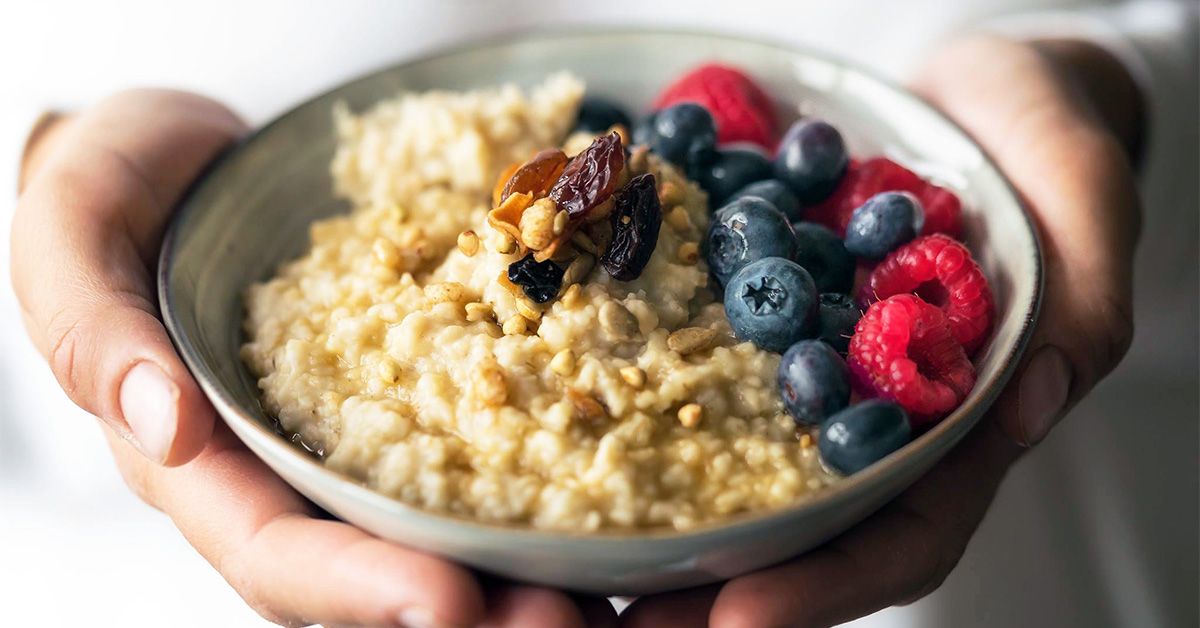
Oats and barley contain beta-glucan, a soluble fiber linked with cholesterol benefits and steadier blood sugar. Overnight oats, oatmeal, barley soup, or a savory oat bowl with vegetables and eggs can turn breakfast into a heart-health meeting your taste buds actually attend.
Whole Grains
Brown rice, quinoa, farro, bulgur, whole wheat pasta, and 100% whole grain bread offer more fiber than refined grains. The simplest swap is choosing whole grain versions of foods you already eat. No need to become a person who says “ancient grains” at every dinner party, unless that is your dream.
Fruits
Apples, pears, oranges, berries, and peaches provide fiber plus antioxidants. Whole fruit is usually a better choice than juice because juice removes much of the fiber and makes it easier to consume sugar quickly. Eating an orange is a snack; drinking three oranges in a glass is a fruit speedrun.
Vegetables
Leafy greens, broccoli, Brussels sprouts, carrots, peppers, sweet potatoes, squash, and cauliflower all contribute fiber and important micronutrients. Non-starchy vegetables are especially useful because they are high in volume and nutrients while being relatively low in calories and carbohydrates.
Nuts and Seeds
Chia seeds, flaxseeds, almonds, pistachios, walnuts, sunflower seeds, and pumpkin seeds add fiber, healthy fats, and crunch. Chia pudding, ground flax in oatmeal, or a small handful of nuts can make meals more satisfying.
Simple Ways to Eat More Fiber Without Turning Your Life Upside Down
Adding fiber does not require a personality transplant. Start with small, realistic changes and build from there.
Upgrade Breakfast
Try oatmeal with berries and chia seeds, whole grain toast with avocado, or Greek yogurt topped with nuts and fruit. A high-fiber breakfast can help reduce midmorning snack attacks, also known as “the office vending machine’s emotional support hour.”
Add One Plant Food to Lunch
Put beans in a salad, add lentils to soup, choose whole grain bread, or include a piece of fruit. Even one daily upgrade can help close the fiber gap.
Use the Half-Plate Vegetable Rule
For lunch or dinner, fill half the plate with non-starchy vegetables when possible. Add lean protein and a high-fiber carbohydrate such as beans, quinoa, sweet potato, or brown rice.
Snack Smarter
Pair fiber with protein or healthy fat. Examples include apple slices with peanut butter, carrots with hummus, berries with yogurt, or whole grain crackers with tuna. This combination supports fullness and can help prevent blood sugar swings.
Read Food Labels
Look for products with at least 3 grams of fiber per serving, and even better, 5 grams or more. Choose foods with whole grains listed near the top of the ingredient list. Be cautious with products that shout “multigrain” but quietly contain mostly refined flour. Food packaging can be dramatic.
Increase Fiber Gradually
Going from low fiber to very high fiber overnight can lead to gas, bloating, and regret. Increase fiber slowly over several weeks. Drink plenty of water, because fiber works best when fluids are part of the plan. Without enough water, fiber can feel less like a wellness strategy and more like a traffic jam.
People with certain digestive conditions, kidney disease, swallowing problems, or those taking specific medications should ask a healthcare professional before making major diet changes or adding fiber supplements. Fiber is healthy, but individual medical needs still matter.
Food First, Supplements Second
Fiber supplements such as psyllium, inulin, or methylcellulose can be useful for some people, especially when food intake falls short. Psyllium in particular has evidence for cholesterol and blood sugar benefits. However, supplements do not replace the full package of nutrients found in beans, vegetables, fruits, whole grains, nuts, and seeds.
The ideal approach is usually food first. Supplements can fill gaps, but they should not become a permission slip for a low-fiber diet built from refined carbs and processed snacks. A spoonful of fiber powder cannot fully rescue a daily menu of fries, soda, and cookies. Nice try, but the body keeps receipts.
A One-Day High-Fiber Meal Example
Here is a practical day that supports fiber intake without requiring rare ingredients or a private chef named Pierre.
Breakfast
Oatmeal topped with blueberries, chia seeds, cinnamon, and a spoonful of nut butter.
Lunch
A large salad with mixed greens, chickpeas, chopped vegetables, avocado, grilled chicken or tofu, and a vinaigrette. Add a slice of 100% whole grain bread if desired.
Snack
An apple with peanut butter or hummus with carrots and bell pepper strips.
Dinner
Salmon, beans, or lentils with roasted broccoli, quinoa, and a side of fruit. For a vegetarian option, try a lentil and vegetable stew over brown rice.
This type of pattern provides fiber from several sources, which is important. Variety helps nourish a more diverse gut microbiome and makes meals more enjoyable. Nobody wants to eat plain bran cereal forever. That is not a meal plan; that is a dare.
Experience-Based Tips: What Adding Fiber Looks Like in Real Life
In real-world nutrition coaching and everyday meal planning, the biggest fiber challenge is not knowledge. Most people already know vegetables, beans, and whole grains are good for them. The real challenge is routine. A person may fully understand that lentils are healthy and still open the refrigerator at 7:10 p.m. and wonder whether shredded cheese counts as dinner.
One useful experience-based strategy is to attach fiber to habits that already exist. If someone eats eggs every morning, add spinach, mushrooms, salsa, or a slice of whole grain toast. If lunch is usually a sandwich, choose 100% whole grain bread and add lettuce, tomato, cucumber, or avocado. If dinner often includes rice, mix white rice with brown rice, quinoa, or beans at first. Gradual changes are less intimidating and more likely to last.
Another lesson from practical experience is that beans are easier to adopt when they are not treated like a punishment. Add black beans to tacos, chickpeas to pasta salad, lentils to marinara sauce, or white beans to soup. Canned beans are perfectly reasonable. Rinse them to reduce sodium, season them well, and avoid pretending that plain, unseasoned beans are going to inspire anyone. Garlic, cumin, chili powder, lemon juice, herbs, and olive oil can turn fiber into food people actually want to eat.
People also do better when they keep high-fiber foods visible. A fruit bowl on the counter encourages better choices than apples hiding in the produce drawer, where good intentions go to become compost. Washed berries, cut vegetables, hummus, roasted chickpeas, and pre-portioned nuts make fiber convenient. Convenience matters because most food decisions happen when people are busy, tired, or hungry enough to negotiate with a cookie.
For blood sugar control, pairing fiber-rich carbohydrates with protein and healthy fat often works well. Oats with nuts, fruit with yogurt, beans with avocado, or whole grain toast with eggs can feel more satisfying and may produce a steadier energy curve than refined carbs alone. Many people notice fewer energy crashes when they move from low-fiber breakfasts to meals with oats, berries, seeds, and protein.
For blood pressure, the fiber habit often works best when combined with lower sodium choices. Beans, vegetables, and whole grains are helpful, but canned soups, salty sauces, processed meats, and fast food can add a lot of sodium. Choosing low-sodium canned beans, rinsing canned foods, flavoring meals with herbs and spices, and eating more potassium-rich produce can make the pattern more heart-friendly.
The most important experience-based lesson is this: fiber should be increased slowly. People who jump from a low-fiber diet to giant bean salads, bran cereal, chia pudding, and raw broccoli in one day may feel like their digestive system has filed a formal complaint. A better approach is adding 3 to 5 grams of fiber per day for a week, drinking more water, and then increasing again. Small steps are not weak; they are how sustainable habits are built.
Conclusion
Science continues to support what humble pantry staples have been suggesting all along: fiber matters. A fiber-rich diet may help lower the risk of type 2 diabetes, support better blood sugar control, improve cholesterol, contribute to healthier blood pressure, feed beneficial gut bacteria, and make meals more satisfying.
The best sources are simple, affordable, and widely available: beans, lentils, oats, barley, vegetables, fruits, nuts, seeds, and whole grains. No single food can prevent every disease, but a consistent high-fiber eating pattern can be a practical and powerful step toward better metabolic and heart health.
Start small. Add berries to breakfast. Put beans in soup. Choose whole grain bread. Snack on fruit and nuts. Drink water. Repeat. Fiber may not be glamorous, but it is one of the most reliable tools in the nutrition toolbox. And unlike many wellness trends, it does not require a subscription, a celebrity endorsement, or a powder named after a moon phase.