Medical note: This article is for general education only. Rectal bleeding, severe anal pain, black stool, dizziness, fever, unexplained weight loss, or symptoms that do not improve should be discussed with a licensed healthcare professional.
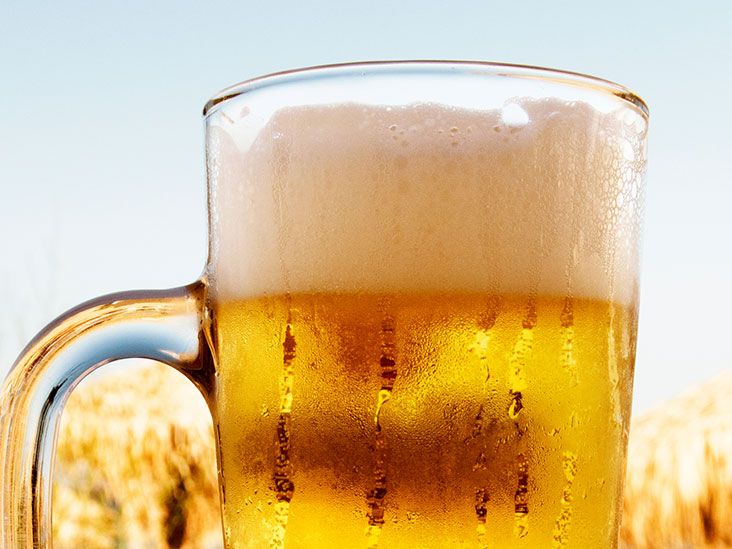
Hemorrhoids are already annoying enough without alcohol joining the party like a loud guest who brought no snacks and somehow clogged the bathroom. But many people notice a pattern: a weekend with cocktails, beer, or wine is followed by burning, itching, pressure, bleeding, or the unmistakable “please do not make me sit down” feeling. So, can alcohol cause hemorrhoids?
The honest answer is: alcohol usually does not directly create hemorrhoids overnight. Hemorrhoids are swollen veins in the anus or lower rectum, and they are commonly linked to pressure, straining, constipation, diarrhea, pregnancy, aging, low-fiber diets, and long toilet sessions. However, alcohol can make several of those triggers more likely. It may contribute to dehydration, harder stools, diarrhea, digestive irritation, liver strain, and blood pressure changes. In other words, alcohol may not be the villain wearing a cape, but it can absolutely hand the villain a megaphone.
This guide explains the possible links between alcohol and hemorrhoids, why drinking may worsen flare-ups, what symptoms to watch for, and how to protect your backside without turning your life into a sad parade of plain oatmeal and regret.
What Are Hemorrhoids?
Hemorrhoids are swollen blood vessels in or around the anus and lower rectum. Everyone has hemorrhoidal tissue, but it becomes a problem when those veins become enlarged, inflamed, irritated, or pushed out of place. The condition is extremely common, especially among adults, and it can range from mildly itchy to “I have made a personal enemy of every chair in this building.”
Internal Hemorrhoids
Internal hemorrhoids form inside the rectum. They often cause painless bright red bleeding during bowel movements. Some may prolapse, meaning they bulge out through the anus, especially after straining. Internal hemorrhoids are not always painful because the upper rectum has fewer pain-sensitive nerves.
External Hemorrhoids
External hemorrhoids develop under the skin around the anus. They can cause itching, swelling, tenderness, pain, and irritation. If a blood clot forms inside an external hemorrhoid, it becomes a thrombosed hemorrhoid, which can be intensely painful and may feel like a hard lump near the anus.
Can Alcohol Cause Hemorrhoids?
Alcohol is not usually listed as a direct cause of hemorrhoids in the same way constipation, straining, pregnancy, or prolonged toilet sitting are. Still, alcohol can influence several body systems that matter for hemorrhoid prevention and healing. The connection is mostly indirect but meaningful.
Think of hemorrhoids as a pressure problem. Anything that increases pressure in the lower rectum, irritates bowel movements, dries out stool, or leads to repeated bathroom trips can worsen symptoms. Alcohol can contribute to all of those issues in certain people, especially when drinking is heavy, frequent, paired with low-fiber foods, or followed by dehydration.
How Alcohol May Make Hemorrhoids Worse
1. Alcohol Can Contribute to Dehydration
Alcohol can increase urination, and after a few drinks, many people are not exactly chasing each cocktail with a responsible glass of water. Dehydration matters because stool needs fluid to stay soft and easy to pass. When the body is short on fluids, stool can become harder, drier, and more difficult to move through the colon.
Hard stool often leads to pushing and straining. Straining increases pressure on the veins around the anus and rectum. That pressure can trigger a hemorrhoid flare-up or make existing hemorrhoids swell, itch, bleed, or ache. This is why hydration is a boring but powerful hemorrhoid strategy. Water may not have the sparkle of a margarita, but your rectum is not reviewing drinks on Yelp.
2. Alcohol May Trigger Constipation
Some people experience constipation after drinking, especially when alcohol replaces water, sleep, exercise, and balanced meals. A night of drinks plus salty bar food, followed by a low-fiber breakfast and a couch-based recovery day, is basically a constipation starter kit.
Constipation is one of the most important hemorrhoid triggers because it encourages prolonged sitting and forceful bowel movements. The longer stool remains in the colon, the more water the colon absorbs from it, making it firmer. Passing that stool can irritate anal tissue and put extra pressure on hemorrhoidal veins.
3. Alcohol Can Cause Diarrhea in Some People
Not everyone gets constipated after alcohol. Some people get the opposite problem: urgent, loose stools. Alcohol can irritate the digestive tract and disrupt normal intestinal movement. Beer, wine, mixed drinks, sugary cocktails, and drinks with caffeine may be especially troublesome for sensitive stomachs.
Diarrhea can worsen hemorrhoids because frequent bowel movements mean more wiping, more moisture, more friction, and more irritation. Even soft stool can become a problem when it visits five times before lunch like an overly enthusiastic neighbor. Diarrhea can also cause dehydration, which may create a cycle of irritation and constipation later.
4. Alcohol May Increase Blood Pressure and Vascular Stress
Hemorrhoids involve swollen veins, so circulation matters. Heavy or frequent alcohol use can contribute to higher blood pressure and vascular stress. While high blood pressure is not the same as hemorrhoidal pressure, anything that affects blood vessels and inflammation may influence how easily tissues swell or heal.
This does not mean one glass of wine will instantly inflate a hemorrhoid like a party balloon. It means that regular heavy drinking can add strain to systems that already play a role in inflammation, circulation, and tissue repair.
5. Alcohol and Liver Disease May Complicate Rectal Vein Problems
Long-term heavy alcohol use can damage the liver and may lead to cirrhosis. Advanced liver disease can cause portal hypertension, a condition in which blood pressure rises in the portal vein system. This can lead to swollen veins in the digestive tract. Some rectal bleeding in people with liver disease may come from conditions that are not ordinary hemorrhoids, such as rectal varices.
This distinction matters. Hemorrhoids and rectal varices can both involve bleeding near the rectum, but they are not the same problem and may require different medical evaluation. Anyone with liver disease, heavy alcohol use, vomiting blood, black stool, severe weakness, or significant rectal bleeding should seek medical care promptly.
Symptoms: When Hemorrhoids Flare After Drinking
Hemorrhoid symptoms after alcohol may appear the next day or within a few days, depending on bowel habits and hydration. Common symptoms include:
- Bright red blood on toilet paper or in the toilet bowl
- Anal itching, burning, or irritation
- Pain or discomfort while sitting
- A swollen lump near the anus
- Pressure or fullness in the rectal area
- Mucus or leakage after bowel movements
- Pain during or after passing stool
Bright red blood is often associated with hemorrhoids, but rectal bleeding should never be automatically dismissed. Colon polyps, inflammatory bowel disease, anal fissures, infections, and colorectal cancer can also cause bleeding. If bleeding is new, heavy, recurrent, or accompanied by changes in bowel habits, abdominal pain, fatigue, or weight loss, schedule a medical evaluation.
Alcohol, Hemorrhoids, and Diet: The Unholy Trio
Alcohol rarely travels alone. It often brings friends: pizza, wings, fries, chips, processed meats, late-night desserts, and the mysterious decision to eat something called “loaded” at 1:00 a.m. Many of these foods are low in fiber and high in fat or salt. That combination can slow digestion, promote constipation, and increase bloating.
A low-fiber diet makes stool smaller, harder, and less regular. Fiber helps stool hold water and move more smoothly through the intestines. When fiber intake is too low, people are more likely to strain. For hemorrhoids, straining is the enemy. It is the bathroom equivalent of trying to open a pickle jar with your entire soul.
If you drink alcohol, pairing it with fiber-rich foods and plenty of water may reduce the chance of a flare-up. Better choices include vegetables, beans, lentils, oatmeal, whole grains, berries, pears, apples with skin, chia seeds, and nuts. These foods are not magic, but they help create softer, bulkier stools that are easier to pass.
Should You Stop Drinking If You Have Hemorrhoids?
You may not need to eliminate alcohol completely if your symptoms are mild and occasional. However, reducing or avoiding alcohol during a hemorrhoid flare-up is often a smart move. When the area is already inflamed, anything that worsens dehydration, diarrhea, constipation, or irritation can delay relief.
Consider taking a break from alcohol if you notice any of the following patterns:
- Hemorrhoid symptoms often appear after drinking
- You become constipated or have diarrhea after alcohol
- You drink heavily or binge drink
- You have liver disease or abnormal liver tests
- You are using medications that interact with alcohol
- You have frequent rectal bleeding
- Your hemorrhoids take longer to heal after drinking
For adults who choose to drink, moderation is generally defined in U.S. public health guidance as up to one drink per day for women and up to two drinks per day for men. A standard drink is typically 12 ounces of regular beer, 5 ounces of wine, or 1.5 ounces of distilled spirits. But “moderate” does not mean “risk-free,” and people with certain medical conditions should avoid alcohol entirely.
How to Reduce Hemorrhoid Flare-Ups If You Drink
Drink Water Before, During, and After
Hydration is the simplest defense. Drink water before alcohol, alternate alcoholic drinks with water, and rehydrate before bed. Electrolyte drinks can help after sweating, vomiting, or diarrhea, but plain water is often enough for everyday situations.
Do Not Drink on an Empty Stomach
Food slows alcohol absorption and may reduce digestive irritation. Choose meals with fiber and protein rather than relying only on fried or salty snacks. A bowl with brown rice, beans, vegetables, and lean protein may not sound as exciting as nachos, but your colon appreciates dependable people.
Keep Toilet Time Short
Long toilet sessions increase pressure on rectal veins. Try to keep bathroom visits focused. No scrolling, no reading a novel, no answering emails like your toilet is a satellite office. If nothing happens after a few minutes, get up and try again later.
Avoid Straining
Straining is one of the biggest hemorrhoid aggravators. If stool is hard, address the cause instead of forcing the issue. Increase fluids, add fiber gradually, walk regularly, and ask a healthcare professional whether a stool softener or fiber supplement is appropriate.
Increase Fiber Gradually
Fiber can help prevent constipation and improve stool consistency, but adding too much too quickly may cause gas and bloating. Increase fiber over several days or weeks and drink enough fluid so the fiber can work properly.
Move Your Body
Regular physical activity helps stimulate bowel movement and supports healthy circulation. Walking is underrated. It is free, portable, and less likely than heavy lifting to increase rectal pressure. During a painful flare-up, choose gentle movement over intense workouts that require bracing and straining.
Home Care for Hemorrhoids After Alcohol
If symptoms are mild, home care may help. The goal is to reduce irritation, soften stool, and give swollen tissue time to calm down.
- Take warm sitz baths for 10 to 20 minutes.
- Use soft, unscented toilet paper or rinse with water after bowel movements.
- Apply cold packs briefly to reduce swelling.
- Use over-the-counter hemorrhoid creams or pads as directed.
- Do not overuse steroid creams; prolonged use can thin the skin.
- Eat fiber-rich foods and drink water throughout the day.
- Avoid heavy lifting during a painful flare-up.
If symptoms do not improve after about a week of home care, or if pain or bleeding is significant, it is time to call a healthcare professional. Treatments such as rubber band ligation, infrared coagulation, sclerotherapy, or surgery may be recommended for persistent or severe hemorrhoids.
When to See a Doctor
Hemorrhoids are common, but self-diagnosis can be risky. See a doctor if you have:
- Rectal bleeding for the first time
- Bleeding that is heavy or keeps coming back
- Black, tarry, or maroon stool
- Severe anal pain or a rapidly growing lump
- Fever, pus, or signs of infection
- Unexplained weight loss or fatigue
- A major change in bowel habits
- Known liver disease or heavy alcohol use
A clinician may perform a physical exam, digital rectal exam, anoscopy, or other tests depending on symptoms and age. The point is not to embarrass you. Medical professionals have seen everything, and your hemorrhoid is not going to be the plot twist of their career.
Practical Experiences: What People Often Notice About Alcohol and Hemorrhoids
Many people first suspect a link between alcohol and hemorrhoids because of timing. They feel fine during the week, then after a Friday night of drinks, Saturday morning arrives with a hard stool, burning, or a small streak of bright red blood. Others notice the opposite: alcohol leads to loose stools, repeated bathroom trips, and irritation from wiping. The pattern is not identical for everyone, which is why paying attention to your own body is more useful than copying someone else’s rules.
A common experience is the “party weekend flare.” Imagine someone who drinks beer at a barbecue, eats mostly grilled meat and chips, skips water because the cooler is full of more interesting things, then sleeps poorly. The next day, they are dehydrated, their diet has been low in fiber, and their bowel movement requires straining. That combination can wake up hemorrhoids that had been quiet for months. The alcohol did not act alone; it was part of a team effort, and unfortunately the team won.
Another common scenario is the “vacation stomach.” Travel changes routines. People sit for long periods on planes or in cars, drink more alcohol than usual, eat restaurant food, and delay bowel movements because hotel bathrooms are not always emotionally inviting. By day three, constipation or diarrhea appears, and hemorrhoids join the itinerary without being invited. In these cases, small habits help: carrying a water bottle, eating fruit at breakfast, walking after meals, and not ignoring the urge to go.
Some people also report that certain drinks bother them more than others. Beer may cause bloating or loose stool. Wine may trigger digestive sensitivity. Sugary cocktails may lead to diarrhea. Spirits may be easier for one person and worse for another. The useful strategy is not moral judgment; it is observation. Keep a simple note for two or three weeks: what you drank, how much water you had, what you ate, and what happened in the bathroom. Patterns become clearer when they are written down instead of stored in the foggy courtroom of memory.
People with recurring hemorrhoids often find that the most effective changes are surprisingly unglamorous. They drink less alcohol during flare-ups, add fiber slowly, keep toilet visits short, use warm baths, and stop treating constipation like a personal failure that must be defeated with brute force. They also learn that wiping harder does not equal cleaning better. Gentle rinsing or unscented wipes can reduce irritation, especially after diarrhea.
The biggest lesson from real-life experience is this: hemorrhoid prevention is usually about consistency, not perfection. You do not need to live like a monk who fears nachos. But if alcohol repeatedly leads to dehydration, constipation, diarrhea, and bleeding, your body is giving you feedback in a very specific location. Listen early, adjust your habits, and get medical advice when symptoms are new, severe, or persistent.
Conclusion
Alcohol and hemorrhoids are connected mainly through indirect pathways. Drinking can contribute to dehydration, constipation, diarrhea, digestive irritation, and, in heavy long-term use, liver-related blood-flow problems. These factors can increase pressure and irritation around the anus and rectum, making hemorrhoids more likely to flare.
The best approach is practical: drink less during flare-ups, hydrate well, eat enough fiber, avoid straining, keep toilet time short, and pay attention to your personal triggers. If rectal bleeding is new, heavy, recurrent, or accompanied by other symptoms, do not assume it is “just hemorrhoids.” A quick medical check can provide peace of mind and prevent a small problem from becoming a larger one.
Hemorrhoids may be common, but suffering in silence is not a requirement. Your backside deserves better management, better hydration, and fewer dramatic bathroom plotlines.