Dodgeball looks simple from the bleachers: throw the ball, avoid becoming a human target, celebrate like you just won the Super Bowl in gym shoes. But anyone who has actually played a competitive game knows the truth. Dodgeball is fast, sneaky, strategic, and occasionally humbling. One second you are calmly scanning the court; the next second, a foam ball is introducing itself to your kneecap.
If you want to be great at dodgeball, you need more than a strong arm. The best players move well, throw with purpose, catch under pressure, communicate with teammates, and follow safety-first habits so the game stays fun instead of turning into a dramatic documentary called “The Day Kevin Aimed at Everyone’s Face.”
This guide breaks improvement into four practical areas: movement, throwing, catching and blocking, and team strategy. Whether you are playing in PE class, at camp, in a recreational league, or at a company team-building event where accounting suddenly becomes terrifying, these dodgeball tips will help you play smarter, safer, and better.
1. Master Movement: Dodge Before You Dominate
The first rule of being great at dodgeball is beautifully obvious: do not get hit. The second rule is less obvious: dodging is not random panic with sneakers. Great dodging comes from balance, spacing, reaction time, and body control.
Stay in an Athletic Ready Position
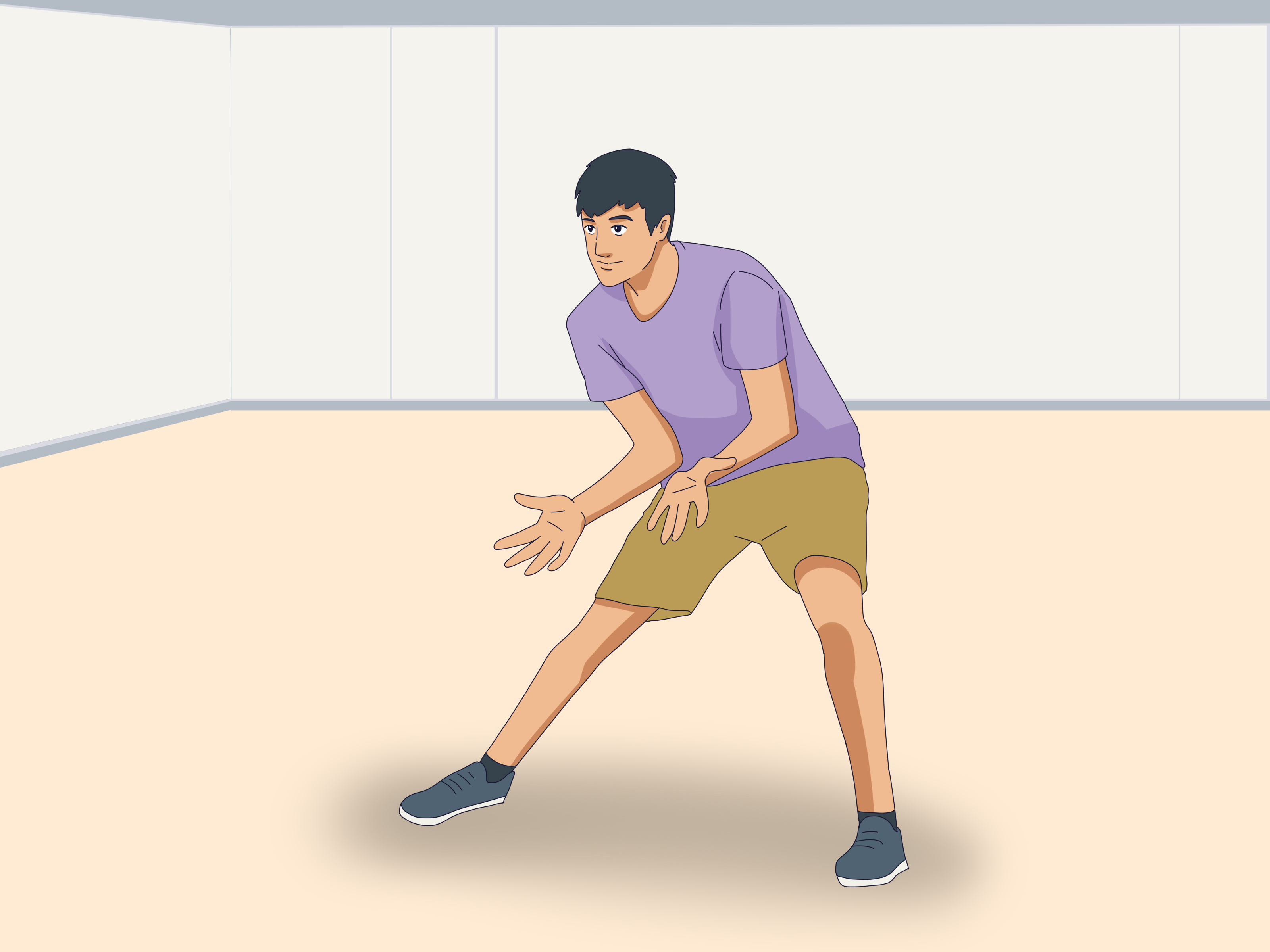
A strong dodgeball stance looks similar to many other invasion games and court sports. Keep your knees slightly bent, weight on the balls of your feet, chest up, and eyes forward. You should feel ready to move left, right, backward, or forward without needing a written invitation from your nervous system.
Avoid standing tall with locked knees. That position makes you an easy target and slows your first step. Think “spring,” not “lamp post.” A good ready position helps you react to throws, fake throws, rebounds, and sudden changes in possession.
Use Angles, Not Just Speed
Running straight sideways across the court may feel heroic, but it often makes you predictable. Smart players dodge at angles. They slide back diagonally, step forward to pressure a weak throw, or retreat after attacking so they are not stranded near the center line without protection.
Good footwork also keeps you from blocking your teammates’ vision. If your whole team bunches together like scared penguins, one accurate throw can cause chaos. Spread out enough to create lanes for throwing, catching, and dodging.
Practice Change-of-Direction Drills
Dodgeball rewards quick acceleration and quick brakes. Set up two cones or water bottles about 10 yards apart. Practice forward runs, backpedals, shuffle steps, and 180-degree turns. Keep your feet active and your posture low. You are training your body to change direction without slipping, stumbling, or performing an accidental interpretive dance.
Try this simple dodgeball agility drill:
- Start in ready position.
- Sprint forward three steps.
- Shuffle right for three steps.
- Backpedal three steps.
- Shuffle left and reset.
- Repeat for 20 to 30 seconds.
As you improve, add a partner who points in random directions. This builds reactive agility, which is more useful than memorizing a pattern. In dodgeball, the ball does not care about your choreography.
Warm Up Before You Play
Dodgeball includes sprinting, jumping, twisting, throwing, and sudden stops. Warm up with light jogging, arm circles, leg swings, side shuffles, and gentle dynamic stretches. Save long static stretching for after play or for separate mobility sessions. A proper warm-up prepares your muscles and joints, lowers injury risk, and helps you start the game sharp instead of feeling like an unplugged printer.
2. Throw Smarter, Not Just Harder
Many beginners think the best dodgeball throw is the hardest throw. Power helps, but accuracy, timing, and decision-making matter more. A wild fastball that misses by eight feet is not intimidating. It is just free cardio for the ball retriever.
Aim Low and Stay Safe
In most safe dodgeball settings, players should avoid head and face shots. Aim below the shoulders, and when possible, target the legs or lower body. Low throws are harder to catch cleanly and force opponents to jump or move their feet. That creates opportunities for teammates to follow up.
Accuracy beats anger. Pick a target, step toward it, and follow through. If your arm swings across your body wildly, the ball will travel wherever it wants, which is usually “not there.”
Use Fakes to Read Opponents
A fake throw is one of the best tools in dodgeball. It makes opponents flinch, jump, turn, or reveal whether they plan to catch. A good fake does not need to be theatrical. You do not need to perform Shakespeare with a foam ball. A shoulder twitch, step, or quick arm pump can be enough.
Watch what your opponent does after the fake. Do they jump early? Do they turn away? Do they reach for catches? Use that information on the next throw. Dodgeball is partly physical and partly a tiny, sweaty game of chess.
Throw With Teammates
One throw is easy to dodge. Two or three well-timed throws are much harder. Coordinated attacks create pressure from multiple angles and reduce the chance that one opponent can calmly catch a single ball.
Before throwing, communicate quickly. Say “three, two, one,” call a target, or use simple hand signals. Aim at the same player from different angles, ideally low and controlled. Team throws should be disciplined, not a group tantrum. The goal is to remove an opponent, not repaint the back wall with foam.
Do Not Throw Every Ball Immediately
Possession matters. If your team has several balls, you control the pace. If you throw them all at once without a plan, you may hand the other team a counterattack. Many modern dodgeball rules include concepts like throw clocks or pressure on the team holding most of the balls, so understand your league’s rules. Still, within those rules, use possession wisely.
Sometimes the best move is to pass a ball to a stronger thrower, protect a teammate, or wait half a second for a better angle. Great dodgeball players are not just cannons. They are decision-makers with shoes.
3. Catch and Block Like a Calm Human Being
Catching changes games. In many dodgeball formats, catching a live throw puts the thrower out and may bring one of your eliminated teammates back in. That is a huge swing. A clean catch can turn a losing round into a comeback. It also makes opponents think twice before launching careless throws at you.
Catch Only What You Can Control
The biggest catching mistake is trying to catch every ball. Some throws should be dodged. If a ball is too fast, too high, too close to your face, or spinning like it has personal issues, move out of the way.
Good catching starts with soft hands and a stable body. Keep your hands ready in front of your chest. When the ball arrives, absorb it toward your body instead of stabbing at it with stiff arms. Trap the ball against your chest if needed. Secure it before celebrating. Premature celebration is how highlights become bloopers.
Look for Catchable Throws
The best balls to catch are usually chest-high, slower, or poorly aimed. Watch opponents who throw from too far away, telegraph their motion, or throw when off balance. These players often give you catch opportunities.
Also pay attention after an opponent throws. A player who has just released a ball may be briefly vulnerable because they no longer have a ball to block with. If you catch their throw, your team gains even more momentum.
Use Blocking as Defense
In many rulesets, you can block an incoming live ball with a ball you are holding. To do it well, hold your blocking ball firmly with two hands when possible. Meet the incoming ball in front of your body and angle the block downward or away from you.
Do not get lazy with your grip. If the ball you are using to block gets knocked loose, some rules may count you out. Know your local rules before play begins. Blocking is useful, but it should not replace dodging. The safest block is often the one you combine with a step away from the ball.
Train Your Eyes
Great catchers watch shoulders, hips, and hands. The ball matters, but the body tells the story before the throw happens. A player’s front foot, throwing shoulder, and eyes often reveal where the ball is going. The earlier you read the throw, the more time you have to dodge, catch, or block.
Try partner drills. Have a teammate stand a safe distance away and throw controlled balls at different speeds. Practice catching chest-level throws, dodging low throws, and blocking medium-speed throws. Keep it safe and progressive. You are building skill, not auditioning for a medical bill.
4. Win With Team Strategy, Communication, and Sportsmanship
Dodgeball is a team game. The player with the strongest arm may get attention, but the team with better communication usually wins more often. Strategy turns six separate players into one annoying, well-organized problem for the other side.
Assign Roles Without Making It Weird
Not everyone needs to be the star thrower. A strong team may include rushers, catchers, blockers, accurate throwers, and players who retrieve or distribute balls. If you are not the hardest thrower, you can still be valuable by staying alive, passing to teammates, catching risky throws, and creating pressure.
Before the game, talk about strengths. Who is quick off the opening rush? Who throws accurately? Who has good hands? Who should hold a ball to protect others? A 20-second team plan can save you from five minutes of chaos.
Control Space and Possession
Spread across the court so your team covers angles. Do not stand in a straight line or cluster in one corner. Good spacing makes it harder for opponents to target multiple players with one throw and easier for your team to attack from different positions.
Possession also matters. If one teammate has two balls, pass one. If your best thrower is empty-handed and you have a ball but no angle, share it. Dodgeball rewards teams that move balls as well as bodies.
Retreat After You Throw
One of the most common mistakes is throwing from close range and then admiring your work. After you throw, you are vulnerable. Move back quickly while still facing the opponents. Get into ready position and prepare for a counterattack.
This simple habit separates experienced players from enthusiastic beginners. Throw, recover, reset. Repeat. Do not throw and pose like you are on a cereal box.
Keep the Game Safe and Inclusive
Because dodgeball involves throwing balls at opponents, safety and sportsmanship matter. Use soft, appropriate balls. Follow court boundaries. Avoid headshots. Respect eliminated players. Do not target someone who is clearly uncomfortable, injured, or not paying attention. In school settings, many educators prefer modified games or alternatives that emphasize movement, teamwork, and inclusion. If dodgeball is played, it should be organized carefully so everyone has a fair chance to participate.
Being great at dodgeball is not about humiliating people. It is about skill, control, awareness, and teamwork. The best players make the game more fun for everyone, even the people they eliminate with a perfectly timed low throw.
Quick Dodgeball Practice Plan
If you want to improve quickly, use short, focused practice sessions. Ten to fifteen minutes can make a difference when you train the right skills.
Practice Session Example
- 3 minutes: Dynamic warm-up with jogging, shuffles, arm circles, and leg swings.
- 3 minutes: Footwork drill with forward runs, backpedals, and lateral shuffles.
- 4 minutes: Accuracy throwing at low targets such as cones or wall markers.
- 3 minutes: Partner catching with controlled throws.
- 2 minutes: Team communication drill using countdown throws and target calls.
Repeat this plan two or three times a week, and you will notice better reactions, cleaner throws, and fewer moments where you wonder why your legs betrayed you.
Common Dodgeball Mistakes to Avoid
Improvement often comes from removing bad habits. Watch for these common errors:
- Standing still: A stationary player is easy to target.
- Throwing alone every time: Solo throws are easier to dodge and catch.
- Aiming too high: It is less safe and often easier to catch.
- Ignoring rebounds: Depending on the rules, live balls can create surprise outs or catches.
- Not knowing the rules: Local rules differ, especially for blocking, catches, boundaries, and re-entry.
- Forgetting sportsmanship: Nobody likes the player who treats rec dodgeball like a medieval siege.
Experiences Related to Being Great at Dodgeball
The funniest thing about dodgeball is that nearly everyone has a story. Some people remember the school gym: polished floors, squeaky sneakers, and that one classmate who threw every ball as if gravity had personally offended him. Others remember summer camp, where the court was a painted rectangle on asphalt and the rules were explained with the confidence of a referee who was also eight years old. No matter where the game happens, the same lessons show up again and again.
One common experience is learning that bravery and wisdom are not the same thing. A beginner often charges toward the center line, grabs a ball, and immediately throws it with maximum drama. Sometimes it works. Usually, the player becomes an easy target because they are too close, off balance, and empty-handed. The more experienced player rushes with a plan, gets the ball safely back, waits for support, and attacks with teammates. It is less flashy, but it wins more games. Dodgeball has a way of rewarding the person who can stay calm while everyone else is auditioning for a tornado.
Another classic dodgeball experience is the first clean catch. It feels amazing. The ball hits your hands, you pull it in, the thrower is out, and your team erupts like you just discovered electricity. That moment teaches an important lesson: defense can be offense. You do not have to throw the hardest ball to change a game. A patient catcher can make aggressive opponents nervous. Once the other team knows you can catch, they stop feeding you easy throws, which gives your teammates more room to operate.
Then there is the lesson of teamwork. In casual games, players often act like six solo heroes. In better games, teammates talk constantly. They call targets. They warn each other about opponents with balls. They pass instead of hoarding. They count down coordinated throws. A team that communicates can beat a team with more raw athletic talent because dodgeball moves too quickly for silent guessing. Even a simple “left side!” or “two balls!” can save a teammate from elimination.
Many players also discover that the best dodgeball moments are not always the most powerful ones. A perfectly timed fake can make an opponent jump early. A small sidestep can turn a dangerous throw into a harmless miss. A quick pass to a better-positioned teammate can lead to an easy out. These little decisions are what make the game interesting. Dodgeball is not just “throw and hope.” It is timing, spacing, awareness, and control wearing gym shorts.
Finally, the best experiences happen when the game stays fun. Competitive energy is great, but respect keeps people coming back. The player who helps someone up, follows the rules, avoids dangerous throws, and celebrates without mocking others is the player people actually want on the court again. Being great at dodgeball means playing hard, playing smart, and remembering that the goal is a good gamenot creating a villain origin story for someone in third period PE.
Conclusion
To be great at dodgeball, focus on four major skills: move well, throw intelligently, catch and block with control, and play as part of a team. Power is useful, but it is not the whole game. The players who last longest are balanced, alert, accurate, and calm under pressure.
Start with footwork and body position. Add smart throwing with safe targets and coordinated timing. Build confidence catching and blocking. Then bring it all together with communication, spacing, and sportsmanship. Do that, and you will become the kind of player opponents notice for the right reasons: not because you throw wildly, but because you make good decisions again and again.
And if all else fails, remember the unofficial wisdom of dodgeball: keep your eyes open, keep your feet moving, and never celebrate before the ball is actually dead.