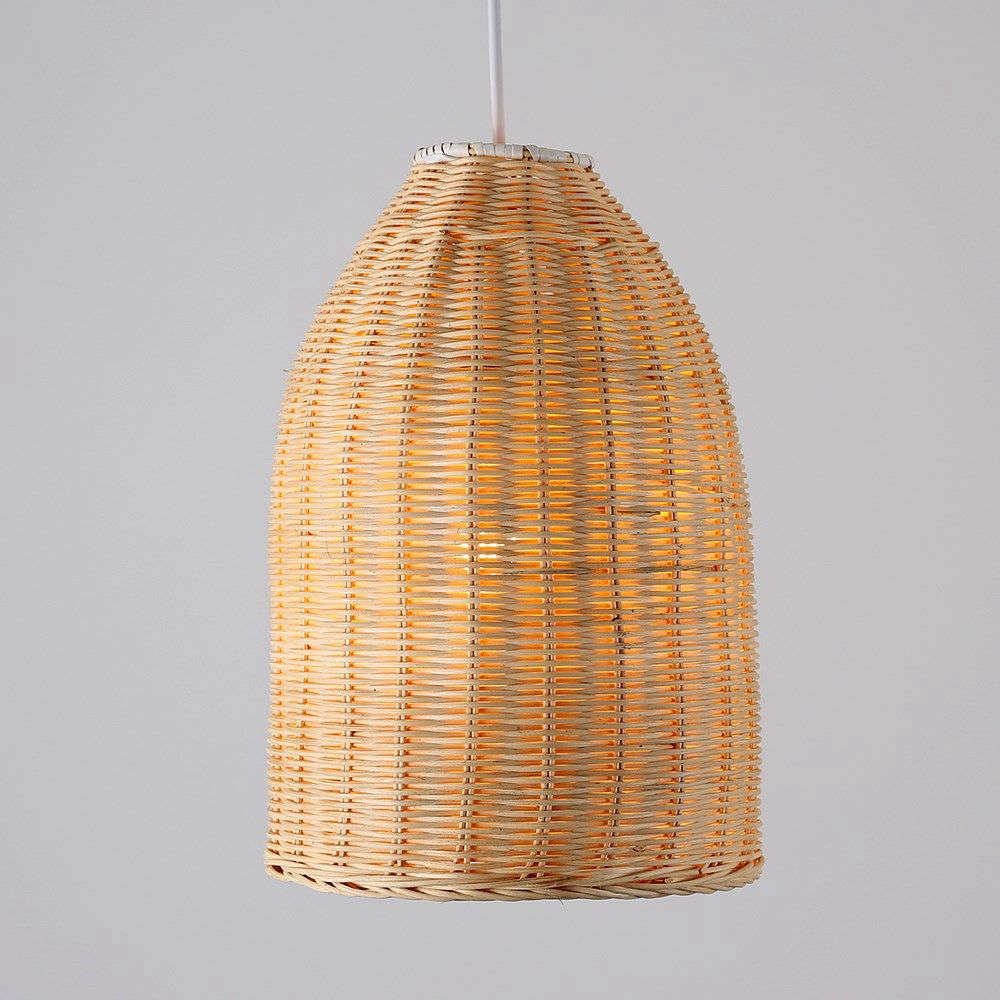
The Chianti Wicker Pendant Shade is one of those home decor pieces that looks like it casually wandered in from a breezy coastal cottage, then decided it also belonged in a city apartment, a farmhouse kitchen, a boho bedroom, and possibly your favorite coffee shop. In other words, it is relaxed, textured, practical, and surprisingly versatile.
Wicker and rattan lighting has become a favorite for homeowners who want warmth without visual heaviness. Unlike a metal pendant that can feel sleek and serious, a woven pendant shade softens a room. It breaks up hard lines, adds organic texture, and casts a gentle pattern of light that makes even Tuesday night leftovers feel slightly more intentional. The Chianti shade fits beautifully into that trend because it is simple enough to blend in, but distinctive enough to make a ceiling look considered rather than forgotten.
This guide explores what makes the Chianti Wicker Pendant Shade appealing, where it works best, how to style it, what bulb choices make sense, and how to care for it so it does not become a dust chandelier. We will also cover real-world decorating experiences at the end, because lighting decisions always look easier online than they do when you are standing on a chair holding a lampshade and questioning your entire design personality.
What Is the Chianti Wicker Pendant Shade?
The Chianti Wicker Pendant Shade is a natural rattan-style ceiling shade with a basket-inspired silhouette. It is designed as an easy-fit pendant shade, meaning it can typically attach to an existing ceiling pendant fitting without complicated rewiring. That makes it especially attractive for renters, budget decorators, and anyone who likes a room refresh that does not require calling an electrician, borrowing tools from three neighbors, and pretending to understand junction boxes.
Its most recognizable feature is the woven natural finish. The shade has a warm, earthy tone that pairs well with wood, linen, cotton, jute, cane, ceramic, matte black accents, white walls, and soft neutral palettes. The shape feels casual but not sloppy. It has the easygoing character of bohemian decor with enough restraint to work in modern, coastal, farmhouse, Scandinavian, Japandi, and transitional interiors.
Basic Product Character
- Style: Natural wicker or rattan pendant shade
- Shape: Basket-inspired dome form
- Best rooms: Living rooms, bedrooms, dining spaces, entryways, and relaxed kitchen corners
- Installation appeal: Easy-fit design for existing pendant sockets
- Visual effect: Warm, dappled light with natural texture
- Decor mood: Airy, relaxed, organic, and softly bohemian
Depending on the retailer listing, dimensions may vary slightly, but the Chianti shade is generally compact enough for everyday residential rooms. It is not a giant hotel-lobby statement pendant, and that is part of its charm. It gives a room personality without asking the sofa to move out of the way.
Why Wicker Pendant Lighting Works So Well
A wicker pendant shade succeeds because it does two jobs at once: it provides light and decorates the room even when switched off. This matters more than people think. A ceiling fixture sits in the center of a visual field, so if it is bland, dated, or too harsh, the whole room can feel unfinished. Swap in a woven pendant shade, and suddenly the ceiling has texture, warmth, and a little vacation energy.
Natural materials are especially useful in rooms with many flat or hard surfaces. Think white cabinets, stone counters, painted drywall, glass, metal appliances, laminate flooring, and square furniture. A rattan pendant shade interrupts all that smoothness. It adds tactile contrast and makes the space feel more human. The design equivalent of adding bread to soup, basically.
It Softens Modern Spaces
Modern rooms can sometimes feel too clean, too polished, or too showroom-perfect. The Chianti Wicker Pendant Shade brings in a handmade, organic note. Even if the shade is part of a manufactured product line, the woven texture suggests craft and movement. It keeps a minimalist room from feeling cold.
It Adds Texture Without Loud Color
Some decor pieces demand attention through bold color. Wicker works differently. It adds depth through texture, shadow, and natural variation. That makes it useful for homeowners who prefer calm palettes but do not want the room to look like a bowl of oatmeal.
It Creates Atmospheric Light
A woven shade can cast soft patterns across nearby surfaces, especially when paired with a warm bulb. The result is more ambient than surgical. For living rooms, bedrooms, dining nooks, and reading corners, that softer mood is often exactly what you want.
Best Places to Use a Chianti Wicker Pendant Shade
The Chianti Wicker Pendant Shade is flexible, but it performs best in spaces where warmth and atmosphere matter. It is less about blasting a room with task lighting and more about creating a welcoming glow.
Living Room
In a living room, this shade can replace a plain ceiling pendant and instantly make the space feel more styled. It works especially well with neutral sofas, wood coffee tables, woven baskets, indoor plants, and textured rugs. If your living room currently feels like it has furniture but not personality, the Chianti shade can help bridge that gap.
Bedroom
Bedrooms benefit from lighting that feels calm. A wicker pendant shade brings softness overhead without taking up nightstand space. Pair it with warm white lighting, linen bedding, wood accents, and simple curtains for a restful look. It is also a smart choice for guest bedrooms because it feels inviting without being too taste-specific.
Dining Area
Over a small dining table, breakfast nook, or round bistro table, the Chianti shade can create a cozy focal point. The basket-style shape naturally draws the eye downward, helping define the dining zone. In open-plan spaces, this is valuable because lighting can act like invisible architecture.
Kitchen Corner or Island
For kitchens, rattan pendants are popular because they warm up cabinetry and countertops. A single Chianti shade may work over a compact breakfast area, while multiple shades can create rhythm over a longer counter if the scale is right. Just remember that kitchen lighting also needs function. If you chop vegetables under it, supplement with under-cabinet or recessed lighting so your carrots do not become a suspense thriller.
Entryway or Hall
A small entryway is a wonderful place for a woven pendant. It gives visitors an immediate sense of style and makes the home feel warmer from the first step inside. Because the Chianti shade is not overly formal, it says, “Welcome,” not “Please remove your shoes and admire my chandelier.”
How to Style the Chianti Wicker Pendant Shade
The secret to styling wicker lighting is balance. Too little texture and the room feels flat. Too much wicker and suddenly you are living inside a picnic basket. The goal is to repeat natural materials thoughtfully, not everywhere.
Pair It With Clean Lines
Wicker looks freshest when paired with simple furniture silhouettes. Try a clean-lined sofa, a plain wood dining table, shaker cabinets, or a sleek platform bed. The contrast helps the woven shade stand out without making the room feel cluttered.
Mix Natural Materials
The Chianti shade pairs beautifully with jute rugs, linen curtains, oak furniture, bamboo blinds, ceramic vases, terracotta pots, and cotton throws. These materials share an organic quality, but each has a different texture. That layered mix makes a room feel collected rather than copied from one display aisle.
Add Contrast With Black or Brass
Natural rattan can sometimes look too soft if everything around it is beige. Add contrast with matte black curtain rods, brass cabinet hardware, a dark picture frame, or a black side table. These accents sharpen the overall look and keep the shade from drifting into “beach rental from 1998” territory.
Use Color Strategically
The natural tone of wicker works with many color palettes. For coastal style, pair it with white, sand, soft blue, and weathered wood. For boho style, add rust, olive, clay, mustard, and patterned textiles. For modern organic interiors, keep the palette warm and restrained with cream, taupe, walnut, stone, and charcoal.
Choosing the Right Bulb
Bulb choice can make or break a wicker pendant shade. The shade may be charming, but if you put in a harsh, cold bulb, the room can feel like a dentist’s office that discovered rattan.
For most living spaces, choose an LED bulb with a warm white color temperature. Around 2700K to 3000K is often a comfortable range for bedrooms, living rooms, and dining areas. If you need more task visibility, you can go slightly brighter, but avoid icy blue-white light unless your design goal is “interrogation room, but coastal.”
Pay attention to lumens rather than watts. Watts measure energy use, while lumens describe brightness. For a cozy bedroom, a lower-lumen bulb may be enough. For a dining area or central living room pendant, you may want a brighter bulb or layered lighting from lamps and sconces.
Also check the maximum wattage and bulb type recommended for the fixture. Many pendant shades are designed to work with specific sockets and bulb limits. Using the wrong bulb can create heat issues or poor performance. LEDs are usually a smart choice because they use less energy and produce less heat than traditional incandescent bulbs.
Installation Considerations
One of the biggest advantages of the Chianti Wicker Pendant Shade is its easy-fit nature. It is intended to attach to an existing pendant fitting, making it far simpler than replacing a full hardwired fixture. Still, “easy” does not mean “wing it while balancing on a swivel chair.” Safety and compatibility matter.
Check the Fitting
Retailer descriptions often note compatibility with common lamp holders and may include a reducer ring for different fitting sizes. Before buying, confirm that your ceiling pendant socket matches the shade requirements. If your existing fitting is unusual, old, damaged, or confusing, pause and ask a qualified electrician.
Measure Before You Buy
Measure ceiling height, pendant drop, table height, and walking clearance. A pendant that looks adorable online can become a forehead hazard in a hallway. Over a dining table, the shade can hang lower because people are not walking beneath it. In an open room or entry, keep enough head clearance for daily life and tall guests.
Respect Heat and Safety Limits
Use the correct bulb type and wattage for the fixture. Keep the shade clean, dry, and away from open flames. Natural materials can be durable, but they are still natural materials. Treat them with common sense, not candlelit chaos.
Care and Cleaning Tips
Wicker and rattan shades are fairly low maintenance, but dust can settle into the woven texture. The good news is that cleaning usually does not require anything dramatic. No tiny toothbrush ceremony necessary, unless you enjoy that sort of Saturday.
- Dust regularly: Use a microfiber cloth, feather duster, or vacuum with a soft brush attachment.
- Avoid soaking: Too much moisture can affect natural fibers.
- Spot clean gently: Use a barely damp cloth for small marks, then let the shade dry fully.
- Keep it indoors: Unless a product is specifically rated for outdoor use, keep it away from humidity, rain, and direct weather exposure.
- Check occasionally: Look for loose fibers, dust buildup, or fitting issues during routine cleaning.
A clean wicker pendant shade keeps its glow light and airy. A dusty one still has texture, technically, but not the kind anyone is trying to feature.
Pros and Cons of the Chianti Wicker Pendant Shade
Pros
- Adds instant warmth and natural texture
- Works with many decorating styles
- Easy-fit design makes updates simpler
- Creates a soft, atmospheric lighting effect
- Budget-friendly compared with many statement fixtures
- Lightweight visual presence, ideal for relaxed rooms
Cons
- May not provide enough task lighting by itself
- Natural fibers can collect dust
- Not ideal for damp or greasy environments unless carefully maintained
- Requires correct bulb choice for best effect
- May feel too casual for very formal interiors
Who Should Buy a Chianti Wicker Pendant Shade?
This shade is a strong choice for people who want an affordable, stylish lighting update without replacing an entire fixture. It is especially good for renters, first-time decorators, small-space dwellers, and homeowners refreshing a room on a practical budget.
It is also ideal for anyone drawn to warm minimalism, coastal comfort, bohemian layering, cottage charm, or organic modern design. If your room has too many hard surfaces, too much gray, or a general feeling of “nice, but unfinished,” the Chianti Wicker Pendant Shade can add the missing warmth.
It may not be the right choice if your home is extremely formal, ultra-glam, or heavily industrial. In those spaces, a woven shade can still work, but it needs careful pairing. For example, a rattan pendant in a black-and-marble kitchen can be gorgeous if repeated through wood stools or woven accessories. Without that connection, it may look like it took a wrong turn on the way to a beach house.
Common Styling Mistakes to Avoid
Using Only One Texture
If the pendant is the only natural element in the room, it may feel random. Repeat the material language subtly with a basket, a wood tray, a jute rug, cane chair, or woven blind.
Choosing a Bulb That Is Too Cool
Cool light can flatten the warmth of rattan. Warm LED bulbs usually bring out the natural color and create a more flattering glow.
Hanging It Too Low in Walkways
A pendant should not become an obstacle course. Use lower placement only over tables, islands, or furniture zones where people will not walk directly underneath.
Overdoing the Boho Theme
Macrame, fringe, rattan, pampas grass, jute, and twelve plants can be beautiful. All at once, they can also start a small decor festival in your living room. Edit thoughtfully.
Real-Life Experiences With the Chianti Wicker Pendant Shade
In practice, the Chianti Wicker Pendant Shade tends to make the biggest difference in rooms that already have decent furniture but lack atmosphere. Many people focus first on sofas, rugs, beds, and tables, then forget the ceiling fixture. The result is a room that looks nearly done but still feels slightly flat. Swapping a plain shade for a woven pendant can change that quickly because it affects both light and visual texture.
One common experience is using the Chianti shade in a bedroom with white walls and simple bedding. Before the shade goes up, the room may feel clean but plain. After installation, the woven texture adds softness overhead, and the light feels warmer. The room suddenly looks more intentional, as if someone made a design decision rather than simply accepting the fixture that came with the house. Add linen pillowcases, a wood nightstand, and a ceramic lamp, and the whole space starts to feel calm and finished.
Another useful setting is a small dining nook. A compact table and chairs can sometimes disappear into an open-plan living area. Hang a wicker pendant above the table, and the zone becomes clearer. The light creates a visual anchor, while the natural shade makes meals feel cozier. This is especially effective in apartments, where one room may need to function as kitchen, dining room, office, and occasional laundry-folding headquarters.
In kitchens, the Chianti shade works best when it is part of layered lighting. A woven pendant over a breakfast corner looks charming, but it should not be expected to handle every kitchen task. Under-cabinet lights, recessed fixtures, or wall sconces can provide practical brightness, while the wicker shade contributes warmth and style. This division of labor is the secret to good lighting: not every fixture has to do everything. Some lights are workers; some are mood-setters. The Chianti is mostly a mood-setter, and it is very good at its job.
There is also a satisfying budget angle. Replacing a full fixture can be expensive, especially when professional installation is needed. An easy-fit pendant shade offers a lower-commitment update. It is the type of change that can make a room feel refreshed in under an hour, assuming the measuring was done correctly and nobody misplaced the reducer ring. For renters, this is particularly appealing because the shade can often be removed and taken along to the next home.
The main lesson from using a wicker pendant shade is that scale and context matter. In a small room, one Chianti shade can be enough. In a larger room, it may need support from floor lamps, table lamps, or additional pendants. The shade looks best when it feels connected to the rest of the room through color, texture, or material. Pair it with natural wood, soft fabrics, and one or two darker accents, and it feels curated. Leave it alone in a room full of chrome and glossy surfaces, and it may feel like the only person at a formal dinner wearing sandals.
Overall, the Chianti Wicker Pendant Shade is a practical example of how a small decor change can shift the mood of a home. It is not loud, flashy, or complicated. Its appeal comes from warmth, simplicity, and texture. For anyone trying to make a room feel more relaxed, layered, and welcoming, this modest woven shade can do more than expected. That is the quiet magic of good lighting: when it works, people may not notice the fixture first, but they will notice that the room feels better.
Conclusion
The Chianti Wicker Pendant Shade is a smart choice for anyone who wants natural texture, warm ambiance, and easy style without a major renovation. Its woven rattan look suits living rooms, bedrooms, dining nooks, entryways, and casual kitchen spaces. It works beautifully with organic modern, coastal, boho, farmhouse, and minimalist interiors, especially when paired with warm LED bulbs and layered materials.
Like any pendant shade, it needs thoughtful placement, the right bulb, and occasional cleaning. But its design payoff is strong: instant atmosphere, a softer ceiling line, and a room that feels more finished. If your home needs warmth without clutter, personality without drama, and a lighting update that does not require a construction permit or a pep talk, the Chianti Wicker Pendant Shade deserves a serious look.