Note: This original article was written from synthesized culinary knowledge and reputable food-safety guidance, with no copied recipe text, source-code artifacts, or unnecessary reference markup.
A Crispy, Salty, Nutty Starter That Acts Fancy but Works Fast
Some starters enter the room quietly. This one kicks open the kitchen door wearing a golden crust, a salty cheese jacket, and a crunchy chestnut-bacon hat. A 15-minute fried feta starter with a chestnut and bacon crumble topping is exactly the kind of recipe that makes guests ask, “Wait, you made this?” while you casually pretend you did not just assemble it between answering the doorbell and finding the good napkins.
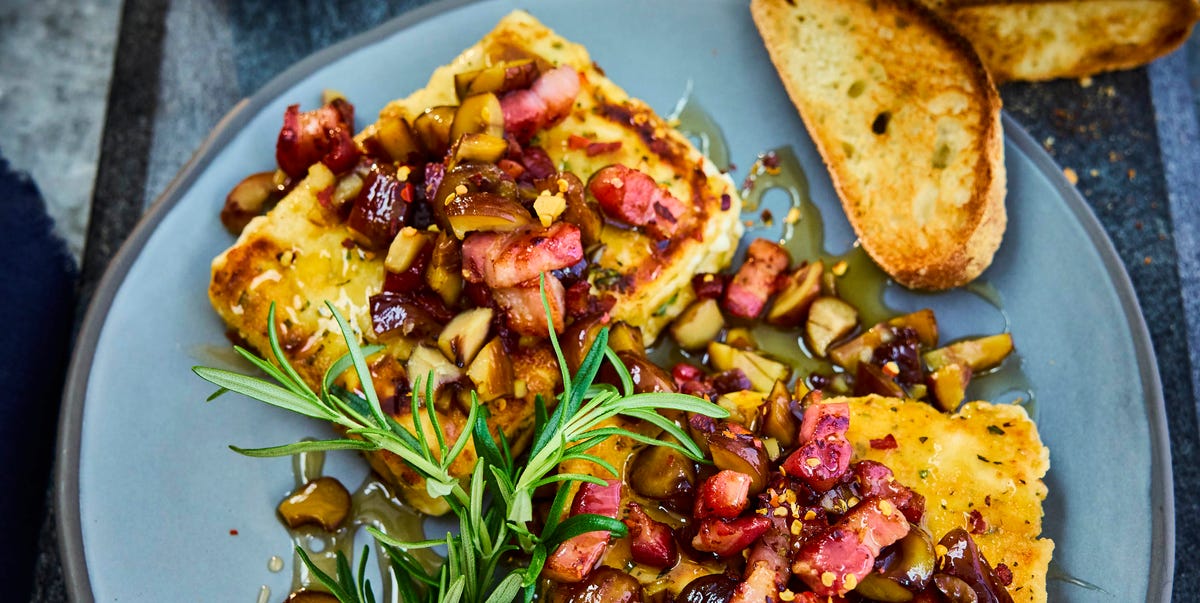
The magic is simple: a firm block of feta is dried, coated lightly, pan-fried until crisp, then finished with a warm crumble of smoky bacon, sweet cooked chestnuts, herbs, lemon zest, and a little honey or maple syrup. The feta stays tangy and creamy inside while the outside turns beautifully golden. The topping brings crunch, richness, and that “holiday appetizer without the holiday stress” feeling.
This recipe works because it respects balance. Feta is salty, so the topping leans nutty and slightly sweet. Bacon is rich, so lemon and herbs keep everything awake. Chestnuts are soft and earthy, so panko or toasted crumbs provide extra crunch. In other words, everyone gets a job, and nobody is allowed to be boring.
Why Fried Feta Makes Such a Great Starter
Feta is bold enough to stand up to heat, toppings, and dramatic last-minute plating. Unlike soft melting cheeses, it does not collapse instantly into a puddle when pan-fried. It softens, warms, and turns creamy while still holding its shape. That makes it ideal for a quick fried cheese appetizer, especially when you want something more memorable than another bowl of olives politely minding its own business.
The best feta for frying is sold as a block, not pre-crumbled. Crumbled feta is convenient for salads, but it is too dry and broken for this starter. A block packed in brine gives you clean slices, better texture, and a creamier center. Before cooking, drain it and pat it very dry. Moisture is the enemy of browning. It also encourages splattering, which is the kitchen’s way of saying, “You skipped a step.”
A light coating of flour, egg, and panko creates a delicate crust. Panko-style breadcrumbs are especially useful because they are airy and coarse, so they fry into a crisp shell without becoming heavy. For a nuttier edge, add sesame seeds or finely crushed toasted walnuts to the breadcrumb layer. The coating does not need to be thick. Think elegant coat, not winter parka.
The Flavor Story: Salty Feta, Sweet Chestnuts, Smoky Bacon
The topping is what turns this from “fried cheese” into a proper dinner-party starter. Chestnuts have a gentle sweetness and a starchy, tender bite. They taste cozy, almost like roasted winter vegetables crossed with nuts. Bacon brings smoke, salt, and crispness. Together, they create a crumble that feels both rustic and restaurant-worthy.
Use cooked, peeled chestnuts for speed. Vacuum-packed chestnuts are ideal because they are ready to chop and toss into the skillet. Jarred roasted chestnuts also work. Avoid raw chestnuts unless you have already roasted, peeled, and cooled them. Also, do not confuse chestnuts with water chestnuts. Water chestnuts are crunchy aquatic vegetables often used in stir-fries and party bites; they are delicious, but they are not the sweet roasted chestnuts this recipe wants.
The crumble should be savory first, sweet second. A teaspoon or two of honey or maple syrup is enough to gloss the bacon and chestnuts without turning the dish into dessert. Fresh thyme, sage, or rosemary gives the topping a fragrant lift. Lemon zest adds brightness. Black pepper adds bite. A tiny pinch of chili flakes is optional, but highly encouraged if your appetizer enjoys flirting with danger.
Ingredients for 4 Servings
For the Fried Feta
- 1 block feta cheese, about 7 to 8 ounces, drained and patted very dry
- 2 tablespoons all-purpose flour
- 1 large egg, beaten
- 1/3 cup panko breadcrumbs
- 1 tablespoon sesame seeds, optional
- 2 tablespoons olive oil, plus more if needed
- Black pepper, to taste
For the Chestnut and Bacon Crumble
- 4 slices bacon, finely chopped
- 1/2 cup cooked peeled chestnuts, chopped
- 1 teaspoon honey or maple syrup, plus more for drizzling
- 1 teaspoon fresh thyme leaves, or 1/2 teaspoon chopped rosemary or sage
- 1/2 teaspoon lemon zest
- Pinch of red pepper flakes, optional
- Fresh parsley, chopped, for serving
For Serving
- Warm pita wedges, toasted baguette slices, seeded crackers, or crisp apple slices
- A small handful of arugula or baby greens, optional
- Lemon wedges, optional
How to Make It in 15 Minutes
Minute 1 to 3: Prep the Feta
Remove the feta from the brine and pat it dry with paper towels. Be thorough. A dry surface helps the flour stick and encourages a crisp crust. If the block is very thick, slice it horizontally into two slabs. Thinner pieces fry faster and are easier to serve.
Minute 3 to 7: Cook the Bacon Crumble
Place the chopped bacon in a skillet over medium heat. Cook until the fat renders and the pieces become crisp. Add the chopped chestnuts and stir for 1 to 2 minutes, letting them toast in the bacon drippings. Stir in honey or maple syrup, herbs, lemon zest, black pepper, and chili flakes if using. Transfer the crumble to a small bowl. Wipe the skillet if there are overly dark bits, but leave a little flavor behind. That is not dirt; that is dinner-party glitter.
Minute 7 to 10: Coat the Cheese
Set up three shallow dishes: flour in the first, beaten egg in the second, and panko mixed with sesame seeds in the third. Coat the feta lightly in flour, dip it in egg, then press it gently into the panko mixture. Cover the sides too, because naked edges can leak and sulk.
Minute 10 to 14: Pan-Fry Until Golden
Add olive oil to the skillet and warm it over medium heat. When the oil shimmers, carefully add the coated feta. Cook for about 2 minutes per side, turning once with a thin spatula. The crust should be golden and crisp, while the cheese inside should be warm and creamy. Do not walk away. Fried feta cooks quickly, and it has no interest in your text messages.
Minute 14 to 15: Finish and Serve
Transfer the fried feta to a serving plate. Spoon the chestnut and bacon crumble over the top. Drizzle lightly with honey if desired, scatter with parsley, and serve immediately with warm pita, crackers, or baguette slices.
Pro Tips for the Best Fried Feta Starter
Choose Block Feta in Brine
Block feta gives the cleanest structure and best creamy center. Brined feta is moist and flavorful, but it must be dried well before breading. If you only have crumbled feta, save it for salads, omelets, or pasta. It is not built for this particular golden mission.
Keep the Heat at Medium
Medium heat gives the crust time to brown before the cheese overheats. If the oil is too hot, the coating burns while the inside stays cold. If it is too cool, the crust absorbs oil and becomes limp. You want confident sizzling, not a smoky kitchen opera.
Use Bacon as a Garnish, Not a Blanket
Bacon is powerful. A little goes a long way, especially with salty feta. Finely chopping it lets you spread flavor throughout the crumble without burying the cheese. This keeps the starter rich but not overwhelming.
Add Brightness at the End
Lemon zest, parsley, arugula, or a squeeze of lemon juice cuts through the richness. This is especially important if you serve the starter before a larger meal. The goal is to make people hungry, not convince them they have already eaten Thanksgiving.
Serving Ideas That Make It Look Restaurant-Level
Serve this fried feta appetizer on a small platter with the crumble piled generously on top and a drizzle of honey running down the sides. Add arugula underneath for color and peppery freshness. Place toasted baguette slices around the cheese so guests can scoop without hesitation.
For a holiday table, pair it with cranberry relish, fig jam, or a spoonful of orange marmalade. For a Mediterranean-style spread, serve it with olives, roasted peppers, cucumbers, and warm pita. For a wine-night starter, add grapes, sliced pears, or crisp apples. Sweet fruit loves salty cheese almost as much as guests love saying, “I’ll just have one more bite,” while clearly lying.
This starter also works beautifully as part of a small-plates dinner. Serve it beside marinated artichokes, roasted mushrooms, lemony shrimp, or a simple tomato salad. Because the dish is rich, keep the surrounding flavors fresh, acidic, or herbal.
Make-Ahead Tips
The fried feta itself is best cooked right before serving. That is when the crust is crisp and the center is warm. However, you can prep several parts ahead. Chop the chestnuts, slice the bacon, wash herbs, and set out the breading dishes earlier in the day. You can also make the chestnut and bacon crumble a few hours ahead, then rewarm it briefly in a skillet before topping the cheese.
If you want to bread the feta ahead, do it up to 30 minutes before frying and refrigerate it uncovered or loosely covered. This helps the coating set. Do not bread it too far ahead, or the crust may absorb moisture from the cheese.
Variations and Substitutions
Vegetarian Version
Skip the bacon and use chopped smoked almonds, toasted walnuts, or crisped mushrooms. Add a pinch of smoked paprika to mimic bacon’s smoky flavor. Chestnuts still provide sweetness and body, so the topping remains satisfying.
Gluten-Free Version
Use gluten-free flour and gluten-free panko-style breadcrumbs. The texture may vary slightly, but the overall effect will still be crisp, salty, and wildly snackable.
Spicy Version
Add chili flakes to the breadcrumb coating and finish the fried feta with hot honey. The heat plays beautifully with salty cheese and sweet chestnuts.
Extra-Nutty Version
Mix finely chopped pistachios, walnuts, or almonds into the panko. Keep the pieces small so they stick to the feta and brown evenly.
Common Mistakes to Avoid
The first mistake is frying wet feta. Pat it dry until the surface feels tacky rather than slick. The second mistake is using too much oil. This is pan-fried feta, not deep-fried feta. A thin layer is enough. The third mistake is overcooking. Once the crust is golden, remove the cheese. If you keep cooking, the feta may crack or become too soft to move gracefully.
Another common issue is a topping that turns greasy. To avoid this, cook the bacon until crisp, then spoon off excess fat before adding the chestnuts if needed. You want a crumble, not a bacon hot tub.
Food Safety Notes
Cook bacon until crisp and fully cooked, and keep raw bacon separate from ready-to-eat ingredients while prepping. Wash hands, utensils, and cutting surfaces after handling raw bacon. Because this starter includes dairy and cooked meat, serve it hot and do not leave it sitting out for long periods. If leftovers remain, refrigerate them promptly in an airtight container.
Leftover fried feta will not be quite as crisp the next day, but it can still be tasty. Reheat it in a skillet or air fryer until warmed through. Avoid microwaving if possible, because the crust tends to soften.
Real Kitchen Experience: Why This Starter Wins People Over
The first time I made a version of this 15-minute fried feta starter with chestnut and bacon crumble, it was not for a perfectly styled dinner party. It was one of those evenings when the kitchen looked like a small tornado had passed through carrying grocery bags. People were arriving in less than twenty minutes, the main course was still “thinking about itself,” and I needed something fast enough to stop hungry guests from hovering near the stove like polite raccoons.
Feta saved the evening. I had a block in the fridge, some cooked chestnuts left from a holiday recipe, and bacon because bacon has a way of appearing in refrigerators when morale is low. The first lesson was immediate: dry the cheese better than you think you need to. I gave it a quick pat the first time, and the coating slipped in one corner. It still tasted great, but the cheese looked slightly disheveled, like it had been through airport security. The next attempt, I pressed the feta gently between paper towels for an extra minute, and the crust held beautifully.
The second lesson was that the crumble should be chopped small. Large chunks of bacon and chestnut fall off the cheese and create a topping traffic jam on the plate. Finely chopped bacon crisps faster, and smaller chestnut pieces cling to the honeyed surface. When spooned over the feta, the topping becomes part of the dish instead of a pile of delicious gravel.
The third lesson was about timing. Fried feta is best served immediately, so everything else should be ready first. Plates out, bread toasted, herbs chopped, guests distracted. Once the feta hits the pan, the countdown begins. It browns quickly, and the difference between golden and too-dark can be one enthusiastic story from a guest who refuses to get to the point.
What makes this starter memorable is the contrast. The knife breaks through a crisp shell, then slides into warm, creamy feta. The bacon gives smoke and crunch. The chestnuts add soft sweetness. Honey brings shine. Lemon zest wakes everything up. It tastes much more complicated than it is, which is exactly what a good appetizer should do. A starter does not need to reveal all its secrets. It just needs to disappear from the plate and make people ask when you became “so chef-y.”
This dish also teaches a useful entertaining principle: one dramatic centerpiece can carry a whole appetizer spread. You do not need six complicated starters. Put this fried feta in the middle of a board with crackers, fruit, olives, and greens, and suddenly the table looks intentional. Guests gather around it. Someone takes the first scoop. Someone else says, “Oh wow.” The cook quietly accepts the compliment while pretending the whole thing was planned weeks ago.
For weeknights, it is just as useful. Pair it with a salad and call it dinner. Serve it with roasted vegetables and bread. Make it for two people and enjoy the rare luxury of not sharing with a crowd. The recipe is quick, but it does not feel rushed. It feels generous, warm, and a little festivethe culinary equivalent of putting on earrings before answering the door.
Conclusion
A 15-minute fried feta starter with a chestnut and bacon crumble topping is proof that fast food can still feel thoughtful, elegant, and slightly outrageous in the best possible way. With a crisp panko crust, creamy feta center, smoky bacon, sweet chestnuts, herbs, lemon, and honey, this appetizer delivers big flavor without demanding a long prep session.
The key is smart technique: use block feta, dry it well, fry it over medium heat, and keep the topping balanced. Serve it hot with bread, crackers, fruit, or greens, and it becomes the kind of starter people remember after the plates are cleared. It is simple enough for a weeknight, impressive enough for guests, and fast enough for the moments when dinner needs a hero wearing a crunchy golden cape.