Note: This is an original, SEO-ready feature article written in standard American English, inspired by real portrait photography practices, live performance environments, actor headshot standards, and musician portrait storytelling.
There is a strange little magic trick that happens when you photograph actors and musicians. The camera goes up, the room gets quiet, and suddenly the person in front of you is no longer simply “standing there.” They become a mood, a memory, a half-written song, a line of dialogue waiting for its cue. That is why portrait photography of performers is so addictive. You are not only photographing a face; you are photographing years of rehearsal, stage fright, late-night gigs, greenroom coffee, missed sleep, and the tiny spark that makes someone brave enough to walk under a spotlight.
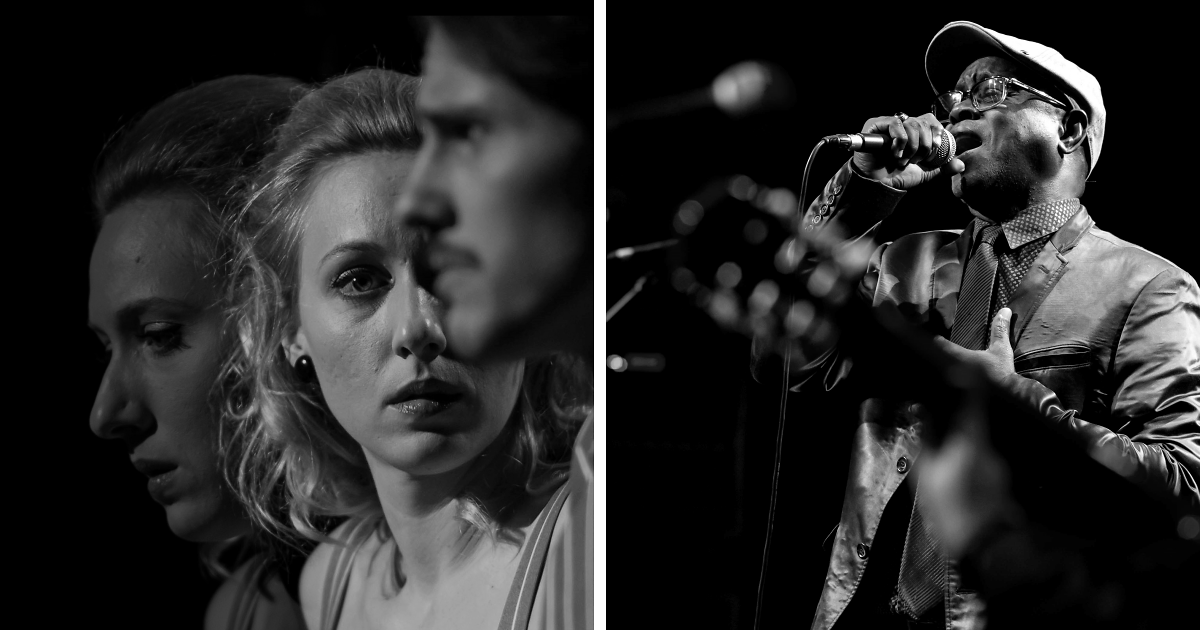
The Best Portrait Of Actors And Musicians I’ve Taken (23 Pics) is more than a gallery title. It is a small backstage pass into the emotional world of performers. Some portraits feel theatrical, as if the subject just stepped out of a dramatic monologue. Others are quiet and musical, built around hands, instruments, shadows, and that unmistakable pause before sound begins. The best images are not always the loudest. Sometimes the strongest portrait is the one where a pianist looks away, a singer exhales, or an actor stops performing long enough to let the real person peek through.
Portraits of actors and musicians succeed when they balance honesty with style. Too much polish, and the image starts to look like a toothpaste commercial with better lighting. Too little direction, and the subject may feel stranded, silently wondering what to do with their hands. The sweet spot sits somewhere in between: strong composition, flattering light, genuine expression, and just enough atmosphere to make the viewer lean closer.
Why Actors And Musicians Make Powerful Portrait Subjects
Actors and musicians are trained to communicate emotion, but that does not mean photographing them is easy. In fact, their experience can make the session more interesting and more delicate. Actors are used to playing someone else. Musicians are used to expressing themselves through sound. A portrait asks both of them to do something surprisingly vulnerable: be still, be seen, and let one frame speak without dialogue or melody.
An actor’s portrait often depends on the eyes. The eyes suggest the character, the secret, the conflict, and the invitation. A slight squint can turn a friendly face into a detective. A relaxed gaze can make the same person feel warm, open, and castable. That is why professional headshots for actors usually avoid cluttered clothing, distracting backgrounds, and overdone styling. The viewer should not be thinking, “Nice plaid shirt.” The viewer should be thinking, “I want to know this person.”
Musician portraits, on the other hand, often carry rhythm even when the image is silent. A cello, trumpet, piano, drumstick, microphone, or guitar can help tell the story, but the instrument should never feel like a random prop grabbed from a closet five minutes before the shoot. Instruments have history. They have scratches, fingerprints, and personality. When used well, they become part of the composition rather than a decorative object saying, “Hello, I am here to prove this person owns a hobby.”
The Mood Behind The 23 Portraits
A great portrait series works like an album. Each image has its own track, but together they create a larger emotional arc. In a collection of 23 portraits of actors and musicians, variety matters. One frame may be tight and intense, built around a face and a sliver of shadow. Another may be wider, showing a stage, a rehearsal room, a hallway, or the textured chaos of a venue. The goal is not to make every photo look identical. The goal is to make every photo feel intentional.
Some of the strongest performer portraits come from theaters, concerts, and short-film sets because those places already have atmosphere baked into the walls. Theaters offer velvet darkness, practical lights, curtains, seats, and backstage corners that look like they have heard every secret in the world. Concert venues give photographers dramatic stage lighting, movement, smoke, cables, and the occasional lighting technician who accidentally becomes your unpaid creative partner. Film sets provide tension, silence, and those in-between moments when the actor drops the role but keeps the emotional residue.
The best portraits in this kind of series often fall into three categories: the iconic close-up, the environmental portrait, and the performance-adjacent candid. The iconic close-up strips everything down to face, light, and expression. The environmental portrait uses the subject’s surroundings to build context. The candid catches a performer between actions, when they are no longer posing but have not fully returned to ordinary life. That middle space is photographic gold. It is also why photographers drink too much coffee and pretend it is part of the artistic process.
What Makes A Performer Portrait Feel Alive?
1. A Real Connection Before The First Frame
Before lighting, lenses, and camera settings, there is trust. A portrait session can feel awkward at first, even for performers. The photographer has to create a space where the subject feels guided, not inspected. A few minutes of conversation can change everything. Ask about the role they just played, the song they are rehearsing, the instrument they brought, or the mood they want the portrait to carry. People relax when they feel understood. They also relax when you do not say things like, “Just act natural,” which is possibly the least natural instruction ever invented.
2. Light That Serves The Story
Portrait lighting should never be random. Soft window light can make an actor feel approachable and intimate. Hard side light can create mystery, drama, and texture. Backlight can add separation and a cinematic glow. Stage light can be unpredictable, but that unpredictability is part of its charm. A red wash from above, a blue rim on the shoulders, or a warm spotlight across the face can turn a simple portrait into a scene.
For musicians, lighting can echo the genre. Jazz portraits often look beautiful with moody contrast and warm shadows. Classical musicians may benefit from elegant, controlled light that emphasizes posture and form. Rock and experimental artists can handle bolder angles, deeper shadows, and visual tension. The trick is to match the light to the person, not to force every performer into the same visual recipe.
3. Composition That Removes The Noise
Good portrait photography is often an editing process before the shutter clicks. What can be removed? What should stay? A microphone stand might add context, but a random exit sign growing out of someone’s head is less “creative documentary” and more “the building wants a cameo.” Strong composition guides the eye toward the subject. Leading lines, negative space, shallow depth of field, and careful cropping all help create focus.
4. Expression Over Perfection
The best portraits are rarely the ones where every hair has signed a legal agreement to stay in place. Expression matters more. A singer laughing between takes, an actor holding a quiet stare, a drummer with hands suspended midair, or a composer lost in thought can all beat a technically perfect but emotionally empty frame. Viewers remember feeling before they remember settings.
23 Portrait Ideas Inspired By Actors And Musicians
While the finished gallery may include real performers, the creative lessons behind the 23 portraits can be understood through the types of images that make this subject so compelling. These portrait concepts show how actors and musicians can be photographed with variety, mood, and personality.
Portraits 1–5: The Close-Up Collection
The first group belongs to the face. Tight portraits of actors work beautifully because tiny changes in expression become major events. A raised eyebrow, a half-smile, a distant stare, or a breath held just before speaking can suggest an entire character. For musicians, close-ups can focus on concentration: a singer’s closed eyes before a note, a pianist’s calm intensity, or a trumpet player’s quiet confidence before the room fills with sound.
Portraits 6–10: The Stage And Theater Mood
Theater portraits thrive on atmosphere. Curtains, dark seats, rehearsal floors, backstage mirrors, and narrow corridors can all become visual partners. An actor standing alone under a practical light can feel more powerful than a fully staged setup. These images remind viewers that performance is not only glamour. It is waiting, preparing, repeating, failing, trying again, and occasionally wondering where someone put the prop dagger.
Portraits 11–15: Musicians With Their Instruments
Musician portraits become stronger when instruments are treated with respect. A cello can frame the body. A trumpet can catch a highlight. Piano keys can lead the eye toward the subject’s hands. Drums can create rhythm through shape and repetition. The instrument should say something about the musician’s relationship to sound. It should not look like it was included because the photographer panicked and shouted, “Hold something!”
Portraits 16–20: Behind-The-Scenes Honesty
Some of the most memorable portraits happen between official moments. An actor waiting for a scene. A director listening. A student performer processing feedback. A band member sitting quietly after rehearsal. These behind-the-scenes portraits feel human because they are not trying too hard. They show the work beneath the performance and the person beneath the public image.
Portraits 21–23: The Wild Cards
Every strong portrait collection needs a few surprises. Maybe one image uses motion blur. Maybe one leans into black and white. Maybe one features a performer in an unexpected location, such as a street event, a vintage gathering, or a quiet corner outside the venue. These wild-card portraits keep the series from becoming predictable. They also remind photographers that rules are useful until the image politely asks you to break them.
Technical Choices That Shape The Look
Portrait photographers often favor lenses in the short-telephoto range because they flatter facial proportions and create pleasing separation between the subject and the background. An 85mm lens, for example, is loved for portraits because it offers compression, softness, and enough working distance to keep the subject comfortable. Longer lenses can isolate performers beautifully in busy venues, while wider lenses can work well for environmental portraits when used carefully.
In low-light spaces such as theaters and concerts, fast lenses are incredibly helpful. A wide aperture lets in more light and creates a shallow depth of field, making the subject stand out from distracting backgrounds. Manual-focus vintage lenses can add character, but they also require patience. Photographing a moving musician with manual focus is a little like trying to thread a needle on a roller coaster. Rewarding? Yes. Relaxing? Not exactly.
Camera settings depend on the environment, but the priorities are consistent: keep the eyes sharp, protect important highlights, and avoid motion blur unless blur is part of the creative plan. In live-performance settings, shutter speed matters because musicians and actors move quickly. On a quiet portrait set, the photographer has more control and can focus on subtle pose changes, light direction, and expression.
Why Black And White Often Works For Performers
Black-and-white portrait photography can remove distractions and emphasize emotion, shape, and contrast. For actors, monochrome can feel timeless and dramatic. For musicians, it can suggest album covers, jazz clubs, rehearsal rooms, and old publicity stills. Without color, the viewer pays closer attention to eyes, hands, posture, and light.
However, black and white should be a decision, not a rescue mission. Turning a weak color photo monochrome does not automatically make it deep. It may simply become a weak photo wearing a serious hat. The best black-and-white portraits are planned around tonal contrast, texture, and mood. They need strong highlights, rich shadows, and a clear emotional center.
The Role Of Wardrobe, Background, And Personality
For actor portraits, clothing should support casting possibilities without becoming a costume. Simple, well-fitting clothing usually works best. Solid colors, clean lines, and subtle textures help keep attention on the face. For musicians, wardrobe can be more expressive, especially if the portrait is meant for press, album promotion, or social media branding. Still, the outfit should feel authentic. A folk singer forced into a leather jacket for “edge” may look less like a rock star and more like someone who lost a bet.
Backgrounds should also match the story. A plain backdrop can make the image clean and professional. A rehearsal room can add context. A city street can suggest movement and creative life. A stage can bring drama. The key is to make sure the background supports the subject instead of competing with them.
Ethics, Permission, And Respect
Portrait photography is creative, but it is also relational. Photographers should be clear about how images may be used, especially when photographing actors, musicians, directors, students, or performers in professional settings. Publicity portraits, editorial features, social media posts, portfolio usage, and commercial licensing are not all the same thing. A simple conversation before the shoot can prevent confusion later.
Respect also matters on set and backstage. Performers may be tired, nervous, focused, or emotionally drained after a scene or show. A photographer who can work quietly, move efficiently, and read the room will get better images than one who treats every environment like a personal fireworks display. Sometimes the best creative direction is not another pose. Sometimes it is silence.
Experiences From Photographing Actors And Musicians
One of the biggest lessons from photographing performers is that confidence looks different on everyone. Some actors walk into a session ready to collaborate immediately. They understand angles, facial expression, and how small gestures read on camera. Others, even experienced performers, become shy the second the lens is pointed directly at them. That surprise never gets old. A person can command a stage in front of hundreds and still ask, “What should I do with my hands?” The answer, usually, is: anything except clench them like you are negotiating with a parking meter.
Musicians bring another rhythm to the session. They often think in tempo, mood, and texture. Instead of saying, “Look serious,” it can help to talk in musical terms: softer, heavier, quieter, more tension, more release. A jazz musician may understand “hold the silence before the note” better than “tilt your chin down.” A singer may respond beautifully to a line from a lyric. A drummer may need movement, not stillness, because their identity is built around motion.
The most memorable sessions often happen in imperfect conditions. A backstage hallway with bad paint becomes cinematic when one practical bulb hits the subject just right. A rehearsal room full of cables becomes interesting when the composition turns the mess into leading lines. A concert venue with unpredictable colored light becomes a gift when the photographer stops fighting it and starts using it. Perfection is nice, but character is better. Character has better stories at parties.
Another experience worth noting is how much the first five minutes matter. If the subject feels judged, the portrait tightens. If they feel safe, the face opens. I like to begin with simple frames, almost like warm-up scales before a performance. Nothing too dramatic. Nothing too demanding. Once the subject sees a few strong images on the back of the camera, the energy changes. Trust arrives. Shoulders drop. Ideas start moving. Suddenly the session becomes a collaboration instead of a staring contest with expensive glass.
Actors often enjoy character-based prompts. Instead of asking for “happy” or “serious,” try giving them a tiny scene: “You just heard wonderful news, but you cannot show it yet,” or “You recognize someone across the room, and you are not sure if you want them to see you.” These prompts create layered expressions. Musicians often respond to memory-based prompts: the first song they loved, the worst gig they survived, the moment before stepping on stage. Real memory has texture, and texture photographs well.
Editing these portraits teaches another lesson: the best frame is not always the most technically perfect one. Sometimes the sharpest image feels empty, while the slightly imperfect frame carries all the life. A hand may be blurred, a shadow may be heavy, or the crop may be unconventional, but the expression is undeniable. That is the frame to keep. Portrait photography is not a laboratory test. It is a conversation with light, timing, and humanity.
After photographing actors and musicians, you begin to notice how much performance exists in everyday life. People enter rooms differently. They pause before answering. They hide and reveal themselves in tiny ways. A good portrait does not steal those moments; it receives them. That is why a collection of 23 performer portraits can feel larger than the number suggests. Each image becomes a reminder that art is not only what happens on stage. Sometimes it happens in the breath before the curtain rises.
Conclusion
The Best Portrait Of Actors And Musicians I’ve Taken (23 Pics) celebrates the rare beauty of performers caught between identity and art. Whether photographed in theaters, concert spaces, short-film sets, rehearsal rooms, or quiet corners, actors and musicians bring emotional depth that makes portrait photography feel alive. The best images are not just technically strong; they are honest, atmospheric, and full of story. They remind us that a portrait can be more than a face. It can be a performance, a pause, a note, a role, and a truthall held still for one unforgettable second.