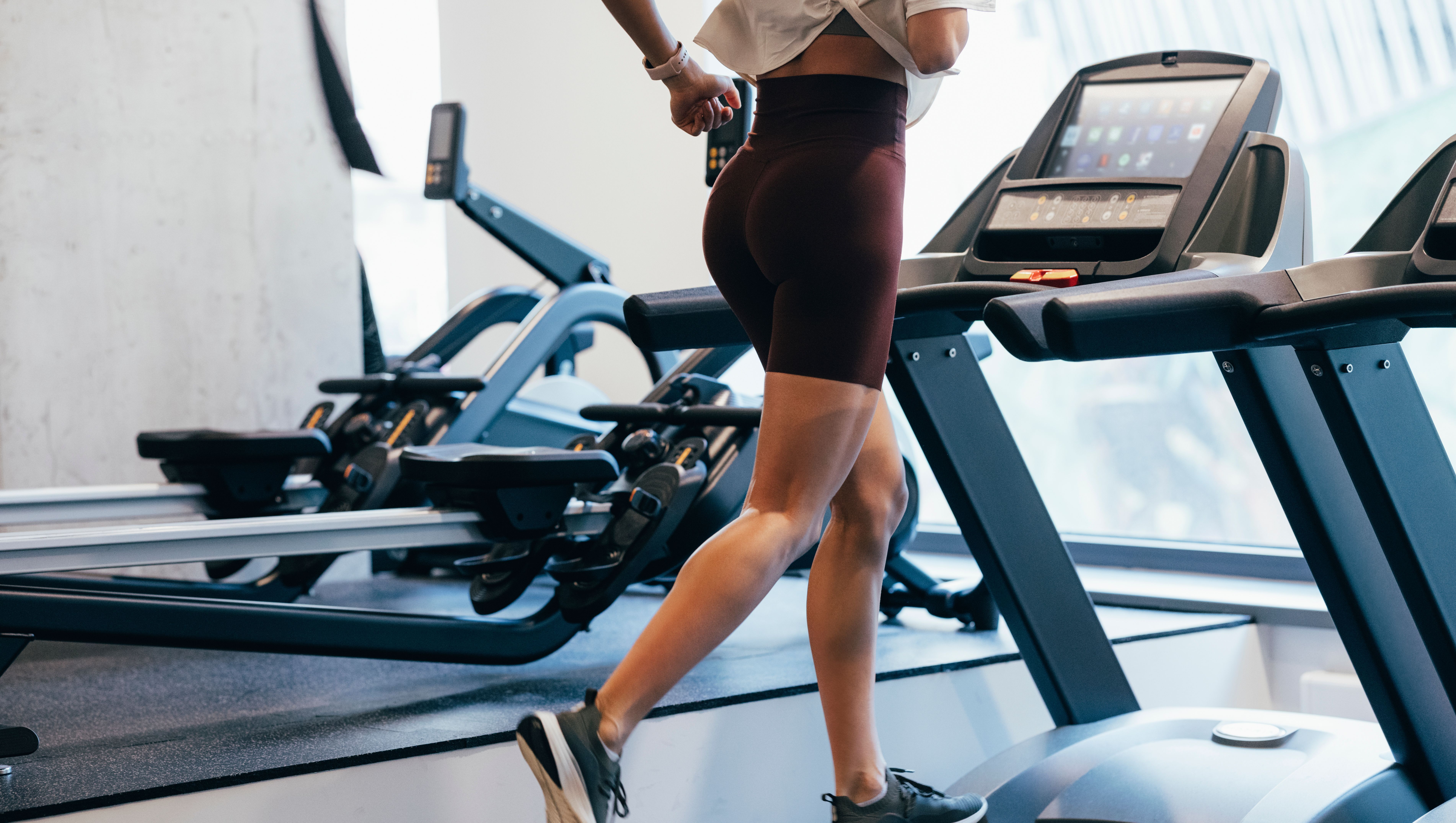
Leg pain on a treadmill can turn a perfectly noble fitness plan into a very dramatic negotiation with your calves. One minute you are walking confidently toward better health; the next, your shin, knee, hip, or calf is acting like it has filed a formal complaint. The good news is that treadmill leg pain is common, often explainable, and frequently preventable. The not-so-fun news is that not all leg pain is “just soreness,” especially when it is sharp, one-sided, recurring, or paired with swelling, numbness, or skin changes.
This guide explains the most common causes of leg pain when using a treadmill, from simple overuse and poor footwear to shin splints, tendon irritation, circulation problems, and nerve-related pain. It is written for everyday walkers, new runners, gym returners, and anyone who has ever pressed the treadmill’s “incline” button with too much confidence.
Important note: This article is for educational purposes only and is not a medical diagnosis. If your treadmill leg pain is severe, sudden, worsening, one-sided with swelling, associated with chest pain or shortness of breath, or does not improve with rest, contact a healthcare professional promptly.
Why the Treadmill Can Trigger Leg Pain
A treadmill seems simple: belt moves, human moves, calories panic. But treadmill walking and running create repeated stress on the same muscles, tendons, joints, and bones. Unlike outdoor routes, where your stride naturally changes with turns, slopes, cracks, grass, gravel, and tiny surprises from the universe, a treadmill offers a highly consistent surface. That consistency is useful for pacing, but it can also overload the same tissues again and again.
Leg pain may appear because the workout is too intense, the incline is too steep, the speed is too fast, the shoes are worn out, or the body simply has not adapted yet. Sometimes the cause is mechanical, such as overstriding or holding the handrails. Other times, the pain comes from an underlying medical condition that becomes noticeable during exercise, such as peripheral artery disease, lumbar spinal stenosis, or nerve irritation.
1. Doing Too Much Too Soon
The most common cause of treadmill leg pain is the classic fitness mistake: enthusiasm with poor timing. Starting a new treadmill routine, suddenly increasing speed, adding long sessions, or jumping from flat walking to incline intervals can overwhelm muscles, tendons, and bones before they are ready.
Your body adapts to training gradually. Muscles often adapt faster than tendons and bones, which means you may feel “fit enough” to push harder while your connective tissues are still reading the instruction manual. This mismatch can lead to calf soreness, shin pain, knee discomfort, hip tightness, or foot pain.
Common signs of overuse
- A dull ache that appears during or after treadmill workouts
- Pain that improves with rest but returns when you exercise again
- Tenderness in the calves, shins, knees, or feet
- Stiffness the next morning, especially after a harder session
A smarter approach is to increase duration, speed, or incline one variable at a time. If you change all three at once, your legs may assume you have declared war.
2. Shin Splints
Shin splints, also known as medial tibial stress syndrome, are one of the most common reasons people feel pain in the front or inner part of the lower leg while using a treadmill. They often happen when the muscles, tendons, and bone tissue around the shinbone become irritated from repeated impact.
Treadmill users may develop shin splints after increasing mileage too quickly, walking at a steep incline, running with worn-out shoes, or using a stride that causes excessive stress on the lower legs. People with flat feet, very high arches, or poor ankle mobility may also be more prone to shin pain.
What shin splints feel like
Shin splints usually feel like aching, tenderness, or soreness along the shinbone. The pain may start as a mild annoyance early in the workout and become more noticeable as you continue. In the beginning, it may calm down after warming up. As the condition worsens, it may linger after exercise or hurt during normal walking.
If the pain becomes sharp, localized to one small spot, or persists even at rest, it may be more than shin splints. A stress fracture should be considered, and that is a job for a medical professionalnot a “walk it off” situation.
3. Calf Strain or Muscle Fatigue
Calf pain on a treadmill is often caused by muscle fatigue or a mild strain. The calf muscles work hard during walking and running, especially when you increase speed or incline. If the treadmill is set too steep, your calves have to push harder with every step. That can lead to tightness, burning, cramping, or a pulled-muscle sensation.
A calf strain may happen suddenly, sometimes with a sharp “grab” in the back of the lower leg. Muscle fatigue, on the other hand, usually builds gradually. You may feel heaviness, tightness, or cramping as the workout continues.
Why incline walking can bother the calves
Incline walking is excellent for cardiovascular fitness and glute engagement, but it also increases the demand on the calves and Achilles tendon. If you go from zero incline to “mountain goat mode,” your lower legs may protest. Beginners should start with a low incline and short intervals before building up.
4. Achilles Tendinitis
The Achilles tendon connects the calf muscles to the heel bone. It is essential for walking, running, climbing, and pushing off the foot. When it becomes irritated from repetitive stress, the result can be Achilles tendinitis, a common treadmill-related source of pain behind the ankle or lower calf.
Achilles pain often begins as a mild ache after exercise. Over time, it may appear during the workout, feel stiff in the morning, or become tender when you squeeze the tendon. Sprinting, steep inclines, poor warm-ups, tight calves, and sudden training increases can all contribute.
How to recognize possible Achilles irritation
- Pain above the heel or in the lower back of the calf
- Morning stiffness that improves slightly with gentle movement
- Tenderness along the tendon
- Worse pain after hill or incline workouts
A sudden pop, severe pain, swelling near the heel, or inability to push off the foot may indicate a rupture and requires urgent medical care.
5. Poor Footwear
Shoes matter. Your treadmill does not care whether your sneakers are old, stylish, or emotionally meaningful from 2018. Your legs do. Worn-out shoes may lose cushioning, stability, and arch support, which can increase stress on the feet, ankles, knees, hips, and lower back.
Running shoes also vary by foot type and activity. A person who overpronates may need more stability. Someone with high arches may need more cushioning. Walking shoes and running shoes are not always interchangeable, especially for higher-impact treadmill sessions.
Signs your shoes may be part of the problem
- The soles are unevenly worn
- Your feet ache after short workouts
- Your knees or shins hurt more than usual
- The shoes feel flat, loose, or unsupportive
- You have used them heavily for months
Good shoes cannot fix every treadmill problem, but bad shoes can definitely create new ones. They are like coworkers in a group project: support matters.
6. Incorrect Treadmill Form
Treadmill form can quietly cause leg pain. Overstriding, leaning too far forward, staring down at the belt, gripping the handrails, or landing heavily on the heels may change how force travels through the legs.
Holding the handrails is especially sneaky. It may make the workout feel easier, but it can alter your posture and reduce natural arm swing. This may shift stress to the hips, knees, shins, or lower back. If you need to hold on tightly to keep up, the speed or incline is probably too high.
Better treadmill form tips
- Keep your head up and eyes forward
- Let your arms swing naturally
- Land with your feet under your body, not far in front
- Use a shorter, quicker stride if you feel heavy impact
- Reduce speed or incline if you need to grip the rails
7. Knee Pain from Repetitive Impact
Knee pain during treadmill use may come from patellofemoral pain syndrome, sometimes called runner’s knee, irritation of the iliotibial band, weak hip muscles, poor tracking of the kneecap, or too much impact too soon. The pain may appear around the kneecap, outside of the knee, or just below the knee.
A treadmill’s cushioned deck may reduce impact compared with some outdoor surfaces, but it does not eliminate impact. Running is still running. If your knees are not prepared for the workload, they may send a strongly worded message.
Common treadmill knee triggers
- Increasing speed before building strength
- Running too many days in a row
- Weak glutes or hips
- Poor shoe support
- Excessive downhill simulation or awkward stride mechanics
Strengthening the hips, glutes, quads, and calves can often help reduce recurring knee discomfort, but persistent or sharp knee pain deserves evaluation.
8. Stress Fractures
A stress fracture is a tiny crack in a bone caused by repeated loading. In treadmill users, stress fractures can affect the shinbone, foot, or other lower-leg bones. They are more likely when someone rapidly increases training, runs frequently without recovery, has poor nutrition, uses worn-out shoes, or ignores early warning pain.
Stress fracture pain is usually more specific than general soreness. Instead of a broad ache, you may feel pain in one small area. It often worsens with activity and improves with rest, but as it progresses, it may hurt during normal walking or even while resting.
When to suspect a stress fracture
- Pain is sharp or located in one precise spot
- Pain gets worse the longer you exercise
- The area is tender to touch
- Rest helps at first, but the pain keeps returning
- There may be swelling
Do not try to outrun a stress fracture. The fracture will win, and it does not even need fancy shoes.
9. Muscle Cramps
Leg cramps during treadmill workouts can feel like a sudden tightening or painful knot in the calf, hamstring, foot, or thigh. Cramps may be related to muscle fatigue, inadequate warm-up, dehydration, electrolyte imbalance, intense exercise, or exercising in a hot environment.
However, cramps are not always only about water. Many exercise-related cramps are linked to fatigue and neuromuscular overload. In simple terms, the muscle gets overworked and starts behaving like a toddler who missed nap time.
How to reduce treadmill cramps
- Warm up for 5 to 10 minutes before increasing intensity
- Build speed and incline gradually
- Stay hydrated throughout the day
- Include rest days
- Stretch tight calves, hamstrings, and hip flexors
- Eat a balanced diet with adequate minerals
10. Nerve-Related Leg Pain
Sometimes treadmill leg pain is not coming from the muscles or joints at all. Nerve irritation in the lower back, hips, or legs can cause pain, tingling, numbness, burning, or weakness during walking. Sciatica and lumbar spinal stenosis are two possible causes.
Lumbar spinal stenosis can create a pattern known as neurogenic claudication. The legs may ache, feel weak, tingle, or become heavy during walking or standing. Symptoms may improve when sitting or leaning forward. This can be confusing because circulation-related leg pain can also appear during walking, so a medical evaluation may be needed to tell the difference.
Possible signs of nerve involvement
- Numbness or tingling down the leg
- Burning or electric-like pain
- Weakness in the foot or leg
- Pain that changes with back position
- Relief when sitting or bending forward
11. Peripheral Artery Disease and Claudication
Peripheral artery disease, or PAD, occurs when narrowed arteries reduce blood flow to the legs. One common symptom is claudication: leg pain, cramping, aching, heaviness, or fatigue that appears during walking or exercise and improves after rest.
PAD-related treadmill pain often follows a pattern. For example, your calf may start cramping after five minutes at a certain speed, improve when you stop, and return when you begin walking again. The pain may occur in the calves, thighs, hips, buttocks, or feet, depending on where blood flow is limited.
PAD is more common in people who smoke, have diabetes, high blood pressure, high cholesterol, a history of heart disease, or are older adults. Because PAD is connected to cardiovascular health, recurring leg pain with walking should not be ignored.
Warning signs that need medical attention
- Leg pain that repeatedly starts with walking and stops with rest
- Coldness in one lower leg or foot
- Slow-healing sores on the feet or toes
- Skin color changes or shiny skin on the legs
- Weak or absent pulses in the feet
12. Deep Vein Thrombosis: A Serious Cause to Rule Out
Deep vein thrombosis, or DVT, is a blood clot in a deep vein, usually in the leg. It is not the most common reason for treadmill leg pain, but it is important because it can become dangerous if a clot travels to the lungs.
DVT pain is often one-sided and may come with swelling, warmth, redness, or tenderness. Unlike ordinary workout soreness, it may not clearly improve with stretching or rest. If leg pain is paired with sudden shortness of breath, chest pain, coughing blood, or fainting, seek emergency care.
Do not hop on the treadmill to “work out” suspected clot pain. That is not discipline; that is a bad plot twist.
How to Prevent Leg Pain on the Treadmill
Start with a real warm-up
Begin with 5 to 10 minutes of easy walking before increasing speed or incline. Warm muscles handle stress better than cold muscles. Think of it as sending your legs a polite calendar invitation instead of bursting into the room yelling “sprint.”
Progress gradually
Increase only one training variable at a time. If you add incline, keep the speed modest. If you add speed, keep the incline low. If you add duration, avoid turning the same workout into a personal Olympic trial.
Use incline carefully
Incline walking can be excellent, but beginners should treat it with respect. Start with short incline intervals and return to flat walking for recovery. If your calves, Achilles tendon, or shins hurt, reduce the incline.
Wear supportive shoes
Choose shoes designed for walking or running, depending on your workout. Replace shoes when they are worn, uneven, or no longer comfortable. If foot mechanics are an issue, consider getting fitted at a specialty running store or speaking with a podiatrist or physical therapist.
Strength train twice a week
Leg pain is not always solved on the treadmill. Strengthening the calves, glutes, hamstrings, quadriceps, hips, and core helps the body tolerate repetitive movement. Useful exercises may include calf raises, glute bridges, squats, step-ups, side steps with a band, and gentle mobility work.
Respect recovery
Rest days are not a moral failure. They are when your tissues adapt. Alternating treadmill workouts with cycling, swimming, rowing, yoga, or strength training can reduce repetitive stress while keeping your fitness moving forward.
When to Stop and Seek Medical Help
Some treadmill discomfort can be managed with rest, better shoes, easier workouts, and gradual conditioning. But certain symptoms should be evaluated by a professional.
- Sudden severe leg pain
- Pain with swelling, redness, or warmth in one leg
- Chest pain, shortness of breath, or fainting
- Numbness, weakness, or foot drop
- Pain that persists despite rest
- Sharp pain in one specific bone area
- Leg pain that predictably appears with walking and improves with rest
- Open sores, skin color changes, or coldness in one foot
Getting checked early can prevent a small problem from becoming a long recovery. Your future self will appreciate the memo.
Experience-Based Insights: What Treadmill Leg Pain Often Teaches People
Many people discover treadmill leg pain after returning to exercise with excellent intentions and slightly unrealistic legs. The first common experience is the “I used to do this easily” trap. A person remembers walking briskly or running comfortably years ago, then tries to restart at the old pace. The heart may be willing, the playlist may be powerful, but the calves and shins are operating on current data. A better approach is to begin below your ego’s preferred setting and let consistency do the heavy lifting.
Another common experience is incline surprise. Incline walking looks harmless because it is still “just walking,” but the workload can be intense. Many treadmill users crank the incline to burn more calories, then wonder why their calves feel like they attended a secret boot camp. A practical fix is to use incline intervals. For example, walk two minutes at a gentle incline, then three minutes flat. Over several weeks, increase the incline time only if your legs feel normal afterward.
Shoes are another lesson people learn the hard way. A pair of sneakers may look clean and still be functionally tired. Once cushioning and support wear down, the legs absorb more stress. Some treadmill users notice shin or knee pain disappearing after switching to properly fitted shoes. Others discover that their “gym shoes” were actually casual shoes with athletic cosplay energy.
Form also matters more than people expect. Watching TV on a treadmill can cause you to lean, twist, or stare down without noticing. Holding the rails may feel safer, but it can change your stride and reduce the natural work of the legs and core. A helpful habit is to lower the speed until you can walk or run without gripping. If balance is a concern, use the rails lightly for safety, but avoid hanging on while the belt drags your feet behind you like luggage at the airport.
One of the most valuable lessons is learning the difference between normal effort and warning pain. Normal effort feels like muscle work: warmth, mild fatigue, and general tiredness that improves after recovery. Warning pain is sharp, worsening, one-sided, associated with swelling, or repeatedly appears at the same time in every workout. Normal effort says, “We are training.” Warning pain says, “Please open a support ticket.”
Hydration, sleep, and recovery also show up in surprising ways. People often blame the treadmill when the real issue is poor recovery. A hard session after bad sleep, low food intake, dehydration, or several stressful days can make the legs cramp or fatigue faster. Fitness is not just what happens during the workout; it is also what your body has available to repair afterward.
Finally, treadmill leg pain teaches patience. The best results usually come from boring consistency: warm up, use reasonable settings, progress gradually, strengthen weak areas, replace worn shoes, and stop when pain changes from “work” to “warning.” It may not sound glamorous, but it works. The treadmill is not the enemy. It is more like a brutally honest coworker: it tells you when your preparation needs improvement.
Conclusion
Leg pain when using a treadmill can come from many sources, including overuse, shin splints, calf strain, Achilles tendinitis, poor shoes, incorrect form, knee irritation, stress fractures, cramps, nerve problems, or circulation issues such as peripheral artery disease. The key is to pay attention to the pattern. Pain that appears after a sudden training increase may be a workload problem. Pain that is sharp, persistent, one-sided, or linked with swelling or numbness needs more caution. Pain that predictably starts during walking and eases with rest should be discussed with a healthcare provider.
The treadmill can be a safe and effective fitness tool when used wisely. Start gradually, warm up properly, respect incline, wear supportive shoes, strengthen your legs, and listen when your body sends feedback. Your legs do not need perfection. They need preparation, patience, and maybe fewer surprise hill intervals on a Monday morning.