Left-sided colitis sounds like the colon woke up one morning, chose a side, and started a tiny rebellion. In medical terms, it is a form of ulcerative colitis in which inflammation begins in the rectum and travels upward through the left side of the colon, sometimes reaching the splenic flexure, the bend near the spleen. In real-life terms, it can mean urgent bathroom trips, abdominal pain, blood in the stool, fatigue, and the kind of digestive drama that makes people memorize the location of every restroom in a building.
The good news is that left-sided colitis is treatable. The not-so-fun news is that it is chronic, meaning it usually needs long-term attention rather than a one-week “good luck, colon” plan. With the right diagnosis, medication, lifestyle adjustments, and follow-up care, many people reach remission, reduce flare-ups, and get back to living instead of negotiating with their intestines like they are a moody landlord.
What Is Left-Sided Colitis?
Left-sided colitis is a subtype of ulcerative colitis, one of the major forms of inflammatory bowel disease, or IBD. Ulcerative colitis affects the inner lining of the large intestine and rectum. Unlike Crohn’s disease, which can involve different areas of the digestive tract and deeper layers of tissue, ulcerative colitis usually begins in the rectum and spreads continuously through the colon.
In left-sided ulcerative colitis, inflammation is limited to the rectum, sigmoid colon, and descending colon. It does not involve the entire colon, but that does not mean it is “minor.” The left side of the colon plays an important role in storing and moving stool. When that area becomes inflamed, bowel habits can change quickly and dramatically.
Common Symptoms of Left-Sided Colitis
Symptoms vary from person to person. Some people have mild discomfort and occasional bleeding, while others experience frequent diarrhea, intense urgency, and exhaustion. A flare can sneak in quietly or arrive like an uninvited marching band.
Bloody Diarrhea
Bloody diarrhea is one of the classic symptoms of ulcerative colitis. The inflamed colon lining can develop ulcers that bleed and produce mucus. Blood may appear bright red, mixed with stool, or visible on toilet paper.
Left-Sided Abdominal Pain
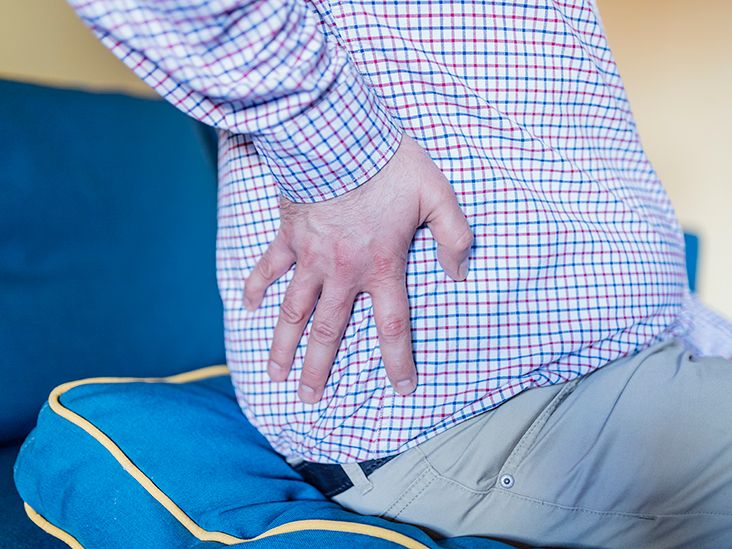
Because the inflammation affects the left portion of the colon, pain often appears on the lower left side of the abdomen. It may feel like cramping, pressure, or sharp discomfort before a bowel movement.
Urgency and Tenesmus
Urgency means needing to use the bathroom immediately. Tenesmus is the frustrating feeling that you still need to go even after you just went. It is the digestive equivalent of your colon repeatedly pressing the elevator button even though the elevator is already there.
Mucus in the Stool
Mucus may appear because the inflamed lining of the colon produces extra fluid. This can happen with or without visible blood.
Fatigue, Weight Loss, and Loss of Appetite
Ongoing inflammation can drain energy. Frequent diarrhea, blood loss, poor appetite, and reduced nutrient absorption may contribute to fatigue, weight loss, or anemia.
Symptoms Beyond the Gut
Ulcerative colitis can also affect areas outside the digestive tract. Some people experience joint pain, eye irritation, skin changes, mouth sores, or liver-related complications. These symptoms should always be discussed with a healthcare professional.
When Symptoms May Signal an Emergency
Not every flare is an emergency, but some symptoms deserve urgent attention. Seek medical help promptly if you have heavy rectal bleeding, signs of dehydration, severe abdominal pain, persistent vomiting, a high fever, dizziness, confusion, or a swollen abdomen. These may suggest a serious flare, infection, toxic megacolon, or another complication that needs quick evaluation.
What Causes Left-Sided Colitis?
The exact cause is not fully understood. Researchers believe ulcerative colitis develops from a mix of immune system activity, genetics, gut bacteria, and environmental triggers. It is not caused by eating one suspicious taco, although a taco may be unfairly blamed during a flare.
In ulcerative colitis, the immune system appears to overreact in the colon, creating ongoing inflammation. Family history can increase risk, but many people with ulcerative colitis have no close relatives with the condition. Stress and diet do not directly “cause” ulcerative colitis, but they may worsen symptoms or influence flare patterns in some people.
How Left-Sided Colitis Is Diagnosed
A proper diagnosis matters because several conditions can mimic colitis, including infections, irritable bowel syndrome, ischemic colitis, medication-related irritation, diverticulitis, and Crohn’s disease. Guessing is not a great medical strategy, especially when the colon is involved.
Medical History and Physical Exam
Your clinician will ask about symptoms, stool frequency, bleeding, weight changes, family history, medications, travel, recent antibiotics, and other health conditions. A physical exam may check for abdominal tenderness, dehydration, fever, or signs of anemia.
Blood Tests
Bloodwork may look for anemia, inflammation, infection, low albumin, or electrolyte problems. These tests do not diagnose ulcerative colitis by themselves, but they help show how active or severe the disease may be.
Stool Tests
Stool testing helps rule out infections such as bacterial colitis or C. difficile. Fecal calprotectin or lactoferrin may be used to detect intestinal inflammation and distinguish inflammatory disease from non-inflammatory digestive conditions.
Colonoscopy or Flexible Sigmoidoscopy
Endoscopy is central to diagnosis. A colonoscopy allows the doctor to view the entire colon, while flexible sigmoidoscopy examines the rectum and lower colon. During the procedure, biopsies are taken. These small tissue samples help confirm ulcerative colitis, assess severity, and rule out other causes.
Imaging Tests
CT scans, MRI, or abdominal X-rays may be used if symptoms are severe, if complications are suspected, or if the diagnosis is unclear. Imaging can help evaluate swelling, perforation risk, or other abdominal problems.
Treatment Goals: Calm the Fire, Keep It Quiet
Treatment for left-sided colitis has two big goals: induce remission and maintain remission. Inducing remission means calming active inflammation and improving symptoms. Maintaining remission means keeping symptoms away and preventing future flares. In other words, first put out the fire, then stop handing the colon matches.
Medication Options for Left-Sided Colitis
5-ASA Medications
For mild to moderate left-sided ulcerative colitis, 5-aminosalicylic acid medicines, often called 5-ASAs, are commonly used. Mesalamine is a well-known example. These medicines reduce inflammation in the colon lining and may be taken orally, rectally, or both.
Rectal mesalamine enemas are especially useful for left-sided disease because they deliver medicine directly to the inflamed area. Oral mesalamine may be added when inflammation extends farther up the left colon. Many treatment guidelines support combining oral and rectal therapy for better control in left-sided ulcerative colitis.
Corticosteroids
Corticosteroids may be used for short-term flare control when 5-ASA treatment is not enough. They can reduce inflammation quickly, but they are not ideal for long-term use because of possible side effects such as bone loss, blood sugar changes, mood shifts, infection risk, and weight gain.
Budesonide MMX
Budesonide MMX is a steroid designed to act mainly in the colon with less whole-body exposure than traditional systemic steroids. It may be used for mild to moderate ulcerative colitis when standard therapy is not sufficient.
Immunomodulators
Medicines such as azathioprine or 6-mercaptopurine may be used in selected patients to reduce immune system activity. They require monitoring because they can affect the liver, blood counts, and infection risk.
Biologics and Small-Molecule Therapies
Moderate to severe left-sided colitis may require advanced therapies. Biologics target specific inflammatory pathways, while small-molecule medicines work through targeted immune signaling mechanisms. These options may be considered when symptoms are severe, steroids are repeatedly needed, or inflammation remains active despite first-line treatment.
Surgery
Surgery is not the first step for most people, but it can be life-changing when medication fails or complications develop. Removing the colon can eliminate ulcerative colitis in the colon, though surgery comes with major decisions about pouch procedures or ostomy care.
Diet and Lifestyle: Helpful, But Not Magic
No single diet cures left-sided colitis. Still, food choices can affect symptoms, especially during flares. During active diarrhea, some people feel better with lower-fiber foods, smaller meals, hydration, and avoiding greasy foods, alcohol, or known triggers. During remission, a balanced diet with enough protein, calories, vitamins, and minerals supports healing and energy.
Keeping a food and symptom diary can help identify patterns. The goal is not to fear food. The goal is to become a polite detective. If every flare follows a giant bowl of chili, your notebook may be trying to tell you something.
Living With Left-Sided Colitis
Living with left-sided colitis is not just about medication. It is also about routines, confidence, planning, and emotional resilience. People often learn to carry supplies, identify bathrooms, schedule appointments, and communicate needs without embarrassment. The colon may be inflamed, but your dignity remains fully intact.
Practical Daily Tips
Take medications exactly as prescribed, even when symptoms improve. Skipping maintenance therapy can increase the risk of relapse. Stay hydrated during diarrhea. Ask your doctor before using NSAIDs such as ibuprofen or naproxen, because they may worsen symptoms in some people. Keep up with recommended colon cancer screening if your disease has been present for many years.
Mental Health Matters
Chronic digestive illness can be stressful. Anxiety about urgency, fatigue, or public symptoms is common. Support groups, counseling, and open conversations with trusted people can make the condition feel less isolating. Your gut may be dramatic, but you do not have to handle the drama alone.
Experience-Based Reflections: What Left-Sided Colitis Can Feel Like in Real Life
People often describe left-sided colitis as a condition that changes their relationship with time. A normal morning can become a careful calculation: breakfast or no breakfast, coffee or absolutely not, commute now or wait ten minutes, meeting near a bathroom or politely suggest “a different conference room.” The disease can make small choices feel strangely strategic.
One common experience is the uncertainty of flares. A person may feel fine for weeks, then notice a little mucus, a little urgency, or a suspicious cramp on the left side. At first, it is easy to bargain with yourself. Maybe it was the spicy food. Maybe it was stress. Maybe the colon is simply being theatrical. But many patients learn that early symptoms deserve attention. Calling the gastroenterology office early may prevent a small flare from becoming a full-blown bathroom residency program.
Another shared experience is learning that “mild” disease on paper does not always feel mild in real life. A clinician may classify inflammation as mild to moderate, but urgency during a grocery trip can still feel like a five-alarm event. This is why clear communication matters. Instead of saying, “I’m okay,” patients often benefit from being specific: “I have six bowel movements before noon,” “I see blood every day,” or “I’m waking up at night to go.” Details help doctors adjust treatment appropriately.
Medication routines can also take practice. Rectal therapies, such as enemas or suppositories, may feel awkward at first. Many people are not thrilled when their treatment plan sounds like a plumbing tutorial. But for left-sided colitis, topical medicine can be highly useful because it reaches the affected area directly. Patients who get comfortable with the routine often find that the embarrassment fades faster than the symptoms do.
Food experiences vary widely. One person may tolerate salad during remission but avoid it during flares. Another may handle dairy just fine, while someone else treats ice cream like a delicious betrayal. The most practical approach is usually flexible rather than extreme. During a flare, gentle foods and hydration may help. During remission, variety and nutrition matter. A dietitian familiar with IBD can be a valuable teammate.
Social life can require honest planning. Some people choose aisle seats, drive separately, or check restaurant menus before going out. These habits are not signs of weakness; they are signs of experience. A person with left-sided colitis becomes skilled at risk management, often with the calm precision of an air traffic controller.
Perhaps the biggest emotional shift is learning that remission is possible, but maintenance still matters. When symptoms disappear, it is tempting to forget the diagnosis entirely. Unfortunately, ulcerative colitis does not always appreciate being ghosted. Keeping follow-up appointments, taking maintenance medication, monitoring symptoms, and reporting changes can help keep the disease quiet.
The lived experience of left-sided colitis is not only about pain, urgency, or treatment. It is also about adaptation. People learn their warning signs, build support systems, advocate for themselves, and celebrate ordinary days when the bathroom is just a bathroom again. That may not sound glamorous, but in the world of IBD, ordinary can feel like a standing ovation.
Conclusion
Left-sided colitis is a form of ulcerative colitis that affects the rectum and left side of the colon. It can cause bloody diarrhea, urgency, mucus, fatigue, appetite changes, weight loss, and left-sided abdominal pain. Diagnosis usually involves medical history, lab work, stool testing, and endoscopy with biopsy. Treatment may include rectal and oral mesalamine, corticosteroids for flares, budesonide, immunomodulators, biologics, small molecules, and sometimes surgery.
The best results usually come from early diagnosis, consistent treatment, and honest communication with a gastroenterologist. Left-sided colitis may be chronic, but it is not a life sentence to chaos. With the right care plan, many people reduce symptoms, reach remission, and get back to daily life with fewer interruptions from the digestive department.