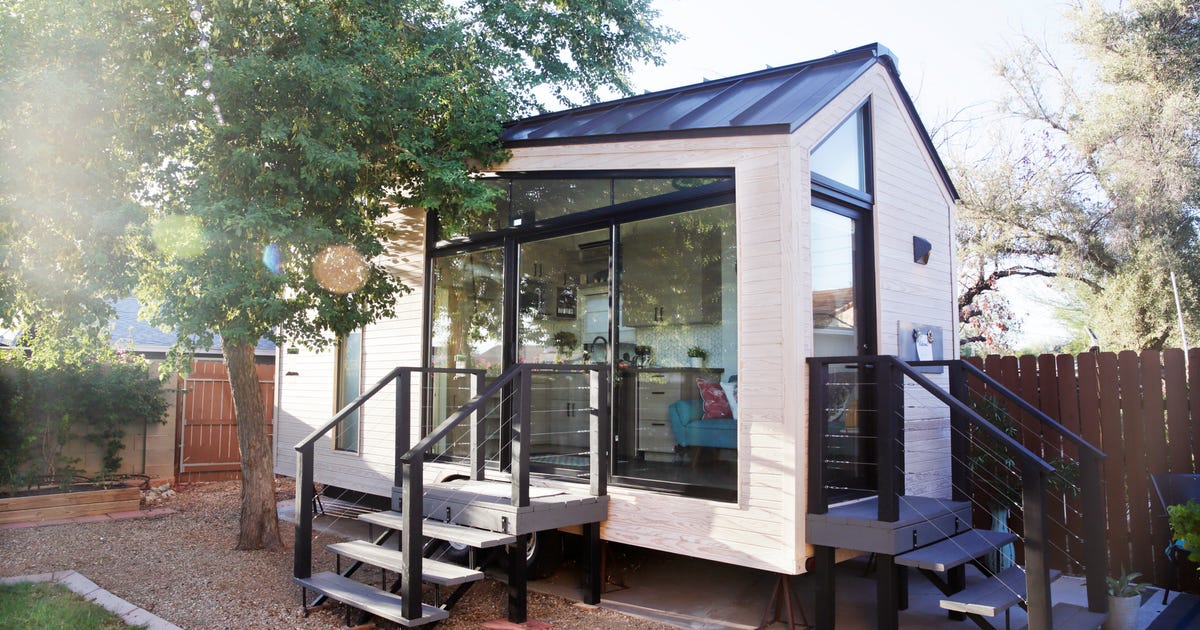
A small home does not have to feel like a shoebox with Wi-Fi. With the right design tricks, even a compact apartment, narrow hallway, tiny bedroom, or modest living room can feel brighter, calmer, and surprisingly spacious. The secret is not always knocking down walls or buying a bigger house. Sometimes, it is as simple as choosing the right paint color, lifting your curtain rods, editing your furniture, or finally admitting that the “temporary” pile of mail on the console table has become a permanent resident.
Making your home look bigger is really about visual breathing room. Designers use color, scale, lighting, storage, mirrors, flooring, and furniture placement to guide the eye smoothly through a space. When your eye can travel without constantly bumping into clutter, dark corners, tiny rugs, bulky furniture, or awkward layouts, your home feels more open. Think of it as giving your rooms better posture.
Below are practical, stylish, and realistic design tricks to make your home look bigger without turning your living room into a museum where nobody is allowed to sit down.
Start With Decluttering: The Cheapest Square Footage You Will Ever Find
Before buying paint, mirrors, rugs, or clever furniture, start with the least glamorous but most powerful trick: remove what your room does not need. Clutter makes a space look smaller because it breaks up sightlines and forces the eye to stop again and again. A countertop full of small appliances, a coffee table buried under magazines, or open shelves packed with “personality” can make even a decent-sized room feel cramped.
This does not mean your home should look like nobody lives there. A cozy home can still have books, art, plants, candles, and keepsakes. The key is curation. Choose fewer, better-looking items and give them room to shine. One large ceramic bowl on an entry table often looks more polished than seven tiny objects having a committee meeting.
Quick decluttering tricks that visually enlarge a room
Clear the floor first. Shoes, baskets, toys, and random bags instantly shrink a room. Then move to flat surfaces such as counters, nightstands, dining tables, and desks. Finally, edit open shelving. Leave empty space between objects so shelves look styled, not stuffed. Negative space is not wasted space; it is the design equivalent of taking a deep breath.
Use Light, Cohesive Colors to Open the Space
Color has a huge effect on how large or small a room feels. Light colors such as warm white, soft beige, pale gray, gentle blue, and muted green reflect more light and create an airy feeling. That is why small rooms often benefit from bright, breathable palettes.
However, “light” does not have to mean hospital white. In fact, stark white can feel cold if a room lacks natural light. A warm off-white, creamy neutral, pale greige, or soft clay tone can make a small home feel bigger while still feeling comfortable. The goal is not to erase personality; it is to reduce visual noise.
One of the best design tricks is to keep walls, trim, and ceilings within the same color family. High-contrast trim can chop up the room visually, making walls feel shorter and spaces feel busier. When trim blends with the wall, the eye glides around the room more smoothly.
Try color drenching for a seamless look
Color drenching means painting walls, trim, doors, and sometimes ceilings in the same shade or closely related tones. In a small room, this can blur boundaries and create a wrapped, intentional look. It works beautifully in powder rooms, bedrooms, offices, and cozy dens. If you choose a deeper color, keep the finish soft and the furnishings simple so the room feels dramatic, not cave-like.
Make the Ceiling Feel Higher
If you cannot physically raise the ceiling, you can still trick the eye into thinking it is higher. Vertical movement is one of the most reliable ways to make a home look bigger. Anything that draws the eye upward adds a sense of height.
Hang curtains as close to the ceiling as possible instead of directly above the window frame. Let them fall to the floor for a long, elegant line. Choose curtain panels that are wide enough to sit mostly outside the window when open, allowing more natural light to enter. This makes windows look larger and ceilings taller.
Tall bookcases, vertical paneling, slim floor lamps, high-mounted artwork, and floor-to-ceiling storage can also stretch the room visually. Even a narrow vertical mirror can make a wall feel taller. Your ceiling may not actually move, but your guests do not need to know that.
Choose Furniture With the Right Scale
Many people assume small rooms need tiny furniture. That sounds logical, but it often backfires. Too many small pieces can make a room feel cluttered and nervous, like it drank too much coffee. A better approach is to choose fewer pieces with better proportions.
For example, in a small living room, one clean-lined sofa may work better than a loveseat, two accent chairs, three side tables, and a storage ottoman trying to audition for a furniture circus. In a bedroom, a properly scaled bed with wall-mounted sconces can feel calmer than a tiny bed surrounded by bulky nightstands and lamps.
Look for furniture with visible legs
Sofas, chairs, consoles, and beds with exposed legs allow light and air to pass underneath them. This reveals more floor area, which makes the room feel more open. Heavy furniture that sits directly on the floor can look blocky and visually stop the room. Floating furniture, wall-mounted desks, slim-legged chairs, and open-base tables help create a lighter footprint.
Use Large Rugs, Not Tiny Rugs
A rug that is too small is one of the fastest ways to make a room look awkward. It can make furniture feel disconnected and shrink the visual footprint of the space. A larger rug, on the other hand, anchors the room and makes the seating area feel generous.
In a living room, aim for at least the front legs of the sofa and chairs to sit on the rug. In a bedroom, choose a rug large enough to extend beyond the sides and foot of the bed. In a dining area, the rug should be large enough that chairs remain on it when pulled out. Yes, large rugs can cost more. But visually, they are doing the work of a room expansion without requiring permits, dust, or a contractor named Gary who says he will be there “sometime Tuesday.”
Let Natural Light Do the Heavy Lifting
Natural light is a small home’s best friend. Dark rooms feel smaller because corners disappear, walls close in, and everything seems heavier. To make your home look bigger, maximize every bit of daylight you have.
Use lightweight window treatments instead of heavy drapes. Choose linen, sheer panels, woven shades, or simple Roman shades. Keep windows clean, because dust and grime can dull the light more than you might expect. Place furniture so it does not block windows. If privacy is a concern, consider frosted film, light-filtering shades, or café curtains that cover the lower half of the window while keeping the top open.
Reflective surfaces can also help. Glossy tile, glass doors, polished metal accents, satin paint finishes, and mirrors can bounce light deeper into a room.
Layer Lighting to Remove Dark Corners
One overhead light in the middle of the ceiling is rarely enough. It can create harsh shadows and leave corners feeling gloomy. Layered lighting makes a home feel larger because it distributes brightness more evenly.
Use a mix of ceiling lights, wall sconces, table lamps, floor lamps, under-cabinet lighting, and accent lights. In a small living room, a floor lamp beside a sofa and a sconce near a reading chair can open the edges of the room. In a kitchen, under-cabinet lights make counters feel brighter and cleaner. In a hallway, wall lights can make a narrow passage feel more welcoming.
Whenever possible, add dimmers. Bright light is useful for cleaning and tasks, but softer light makes rooms feel relaxed and layered. A room that can shift moods feels more designed and less cramped.
Decorate With Mirrors, But Use Them Strategically
Mirrors are famous for making rooms look bigger, but placement matters. A mirror reflecting a window can double the sense of light. A mirror opposite a beautiful view, artwork, or open doorway can create depth. A large mirror with a slim frame often works better than several tiny mirrors scattered around the room.
Avoid placing mirrors where they reflect clutter, a blank wall, a television, or a messy corner. A mirror does not judge, but it does repeat everything it sees. Give it something good to work with.
Best mirror placements for a bigger-looking home
Place a mirror across from or beside a window to bounce light. Use a tall mirror in an entryway to add height. Hang a mirror above a console in a narrow hallway. In a bedroom, consider mirrored closet doors or a full-length mirror near natural light. In a dining room, a mirror can add sparkle and depth, especially when paired with warm lighting.
Choose Storage That Hides the Mess
Open storage can be beautiful, but too much of it makes a small home feel busy. Closed storage is your secret weapon. Cabinets, storage benches, lidded baskets, built-ins, and furniture with hidden compartments keep everyday items accessible but out of sight.
In the living room, use an ottoman with storage for blankets, remotes, and game controllers. In the entryway, add a slim shoe cabinet instead of leaving footwear in the open. In the bedroom, use under-bed storage for seasonal clothing. In the kitchen, appliance garages and tall cabinets reduce countertop clutter.
Built-ins are especially effective because they make storage feel architectural rather than added on. Floor-to-ceiling shelving or cabinets can draw the eye upward while keeping belongings organized.
Create Clear Pathways and Better Flow
A room feels bigger when movement through it is easy. If you have to turn sideways to pass between a sofa and coffee table, your room is not cozy; it is playing defense.
Leave comfortable walkways between major furniture pieces. Avoid blocking doorways, windows, and natural traffic paths. In living rooms, pull furniture slightly away from the walls when possible. Oddly enough, pushing everything against the wall does not always make a room look bigger. A thoughtful floating layout can create better balance and make the room feel more intentional.
In open-concept spaces, use rugs, lighting, and furniture placement to create zones without adding visual barriers. A sofa can define a living area, a rug can anchor a dining space, and a pendant light can mark a kitchen island. The trick is to create function while keeping sightlines open.
Use Glass, Acrylic, and Slim Profiles
Transparent and slim materials help reduce visual weight. A glass coffee table, acrylic chair, open metal bookshelf, or slim console can provide function without making the room feel crowded.
This is especially helpful in small dining rooms, studio apartments, and narrow entryways. A bulky wooden table may visually dominate a room, while a glass-topped table lets the eye see through it. Acrylic furniture is not for every style, but one clear piece can be useful in tight layouts.
The same idea applies to bathrooms. A clear glass shower door makes a bathroom look larger than a shower curtain because it keeps the full depth of the room visible. Large-format tile with minimal grout lines can also make bathroom floors and walls feel more continuous.
Make Small Kitchens Look Bigger With Clean Lines
Kitchens often feel small because they collect visual clutter quickly. Counters fill up, hardware sticks out, appliances interrupt cabinet lines, and suddenly the room feels busier than a brunch restaurant at 10:30 a.m.
To make a small kitchen look bigger, focus on continuity. Choose light or medium cabinet colors, simple hardware, and uncluttered counters. Panel-ready appliances can help create a seamless look, but even if that is not in the budget, you can still simplify the room by storing small appliances, using matching containers, and choosing a backsplash that reflects light.
Vertical storage is another smart move. Cabinets that reach the ceiling draw the eye upward and reduce the awkward dust-collecting gap above standard cabinets. If you use open shelving, keep it edited and coordinated. A few attractive dishes look charming. Twelve mismatched mugs and a souvenir cup from 2011 look like a storage emergency.
Make Small Bedrooms Feel Calm and Spacious
A small bedroom should feel restful, not like a mattress was squeezed into a closet and told to behave. Start with the bed, because it is usually the largest object in the room. Choose a bed frame with a simple profile, visible legs, or built-in storage. Avoid overly bulky headboards unless the room can handle the scale.
Wall-mounted sconces free up nightstand space. Floating shelves can replace heavy side tables. A limited color palette keeps the room from feeling fragmented. If you love pattern, use it intentionally on bedding, wallpaper, or curtains, but give the eye quiet areas to rest.
Closet organization matters too. Even if the closet doors are closed, an overstuffed storage system tends to spill into the room. Use matching hangers, under-bed bins, drawer dividers, and seasonal rotations to keep the bedroom feeling peaceful.
Make Bathrooms Look Bigger With Fewer Visual Breaks
Small bathrooms benefit from continuous surfaces. Large-format tile, matching grout, glass shower doors, floating vanities, and wall-mounted storage all help reduce visual interruption. The fewer lines and barriers the eye has to process, the more spacious the bathroom feels.
Light colors are popular for bathrooms because they reflect brightness, but darker colors can also work when used confidently. A deep blue powder room with matching trim, good lighting, and a large mirror can feel stylish and expansive rather than cramped. The key is commitment and balance.
If your bathroom has a shower curtain, hang it higher than usual and choose a simple fabric that reaches close to the floor. This creates a taller line and makes the shower area feel more polished.
Use Art and Decor With Intention
Many small homes suffer from decor confetti: tiny frames, tiny plants, tiny objects, tiny shelves, and tiny signs telling everyone to “Live, Laugh, Love” with increasing urgency. Instead, use fewer pieces with stronger impact.
One large artwork can make a wall feel bigger than a cluster of small frames. A large plant in a corner can add height and life without cluttering multiple surfaces. A sculptural lamp can be both functional and decorative. Choose decor that earns its place.
Keep accessories in groups of three or five, vary heights, and leave open space around them. Repetition also helps. Using the same metal finish, wood tone, or color accent throughout a room creates cohesion, making the home feel larger and more pulled together.
Do Not Forget the Entryway and Hallways
Small homes often feel cramped immediately at the entrance. A messy entryway sets the tone before guests even take off their shoes. Use a narrow console, wall hooks, a mirror, closed shoe storage, and a small tray for keys. Keep the floor as clear as possible.
In hallways, avoid bulky furniture. Use light paint, slim lighting, vertical art, and mirrors to create movement. A runner rug can elongate the space, but choose one that fits properly and leaves a consistent border of floor visible on both sides.
Common Mistakes That Make a Home Look Smaller
Some design choices quietly shrink a home. Tiny rugs, dark corners, cluttered shelves, heavy curtains, oversized furniture, too many small furniture pieces, blocked windows, and poor lighting are common offenders. Another mistake is ignoring proportions. A huge sectional in a small room may overwhelm the space, but a tiny sofa may look equally awkward. Balance is everything.
Too much contrast can also make rooms feel smaller. Dark trim against light walls, busy flooring against busy wallpaper, or mismatched furniture styles can chop the room into pieces. A cohesive palette, repeated materials, and smooth transitions between rooms help create a larger visual story.
Design Experiences: What Actually Works in Real Homes
In real homes, the best space-expanding tricks are usually the ones that solve daily problems first. A room does not feel bigger because it looks good in a photo for six minutes. It feels bigger when you can walk through it easily, find what you need, sit comfortably, and clean it without moving fourteen decorative baskets.
One of the most effective experiences is replacing several small storage pieces with one larger, cleaner unit. For example, a living room with a small bookcase, side table, toy basket, media stand, and random storage bins can look crowded even if each item is technically compact. Swapping them for one long, low media cabinet with closed doors can instantly calm the room. The square footage stays the same, but the visual noise drops dramatically.
Another real-world lesson: curtains are magic when hung correctly. Many people hang curtains just above the window and choose panels that barely cover the glass. The result makes the window look smaller and the wall shorter. When curtain rods are installed high and wide, the window appears larger, more light enters, and the whole room feels taller. It is one of those upgrades that looks expensive even when the curtain panels are reasonably priced.
Paint also has a bigger emotional effect than people expect. A small bedroom with three wall colors, contrasting trim, dark furniture, and busy bedding may feel restless. Painting the walls and trim in a soft neutral, switching to calmer bedding, and adding one large mirror can make the same bedroom feel twice as peaceful. The room did not grow, but the brain stopped working so hard to process it.
In kitchens, the biggest improvement often comes from clearing counters. A coffee maker, toaster, blender, knife block, paper towel holder, dish rack, spice rack, and mail pile can make a kitchen feel cramped even when the cabinets are decent. Storing rarely used appliances and creating one dedicated beverage or prep zone makes the kitchen feel cleaner and wider. Counter space is visual space.
Bathrooms respond well to small upgrades too. Replacing a bulky vanity with a floating vanity, changing a shower curtain to a clear glass panel, or using matching grout can reduce visual breaks. Even switching to larger mirrors and better lighting can make a small bathroom feel brighter and more comfortable.
Finally, the most underrated design experience is learning to buy less but buy better. Small homes punish impulse purchases. Every extra chair, basket, pillow, lamp, and cute little table wants a piece of your floor plan. Before adding anything, ask: Does this solve a problem? Does it improve the room? Does it fit the scale? If the answer is no, admire it in the store and let it live its best life somewhere else.
A bigger-looking home is not about pretending you live in a mansion. It is about designing with clarity. When your colors connect, your furniture fits, your lighting reaches every corner, and your storage hides the chaos of real life, your home feels open, intentional, and easy to enjoy. And that is better than square footage you only use to store things you forgot you owned.
Conclusion
Making your home look bigger does not require a full renovation. The most effective design tricks are often simple: declutter, use cohesive colors, hang curtains higher, choose properly scaled furniture, layer lighting, add mirrors, clear the floor, and create smooth visual flow. Small spaces can be stylish, functional, and full of personality when every design choice has a purpose.
The goal is not to make your home look empty. The goal is to make it feel open, comfortable, and easy to live in. A well-designed small home can be warmer and more charming than a large home filled with awkward furniture and mysterious storage bins. Use these design tricks thoughtfully, and your home will not just look biggerit will feel better every single day.
Note: This article is written for web publication and synthesizes current, real-world interior design guidance from reputable U.S. home, design, and lifestyle sources.