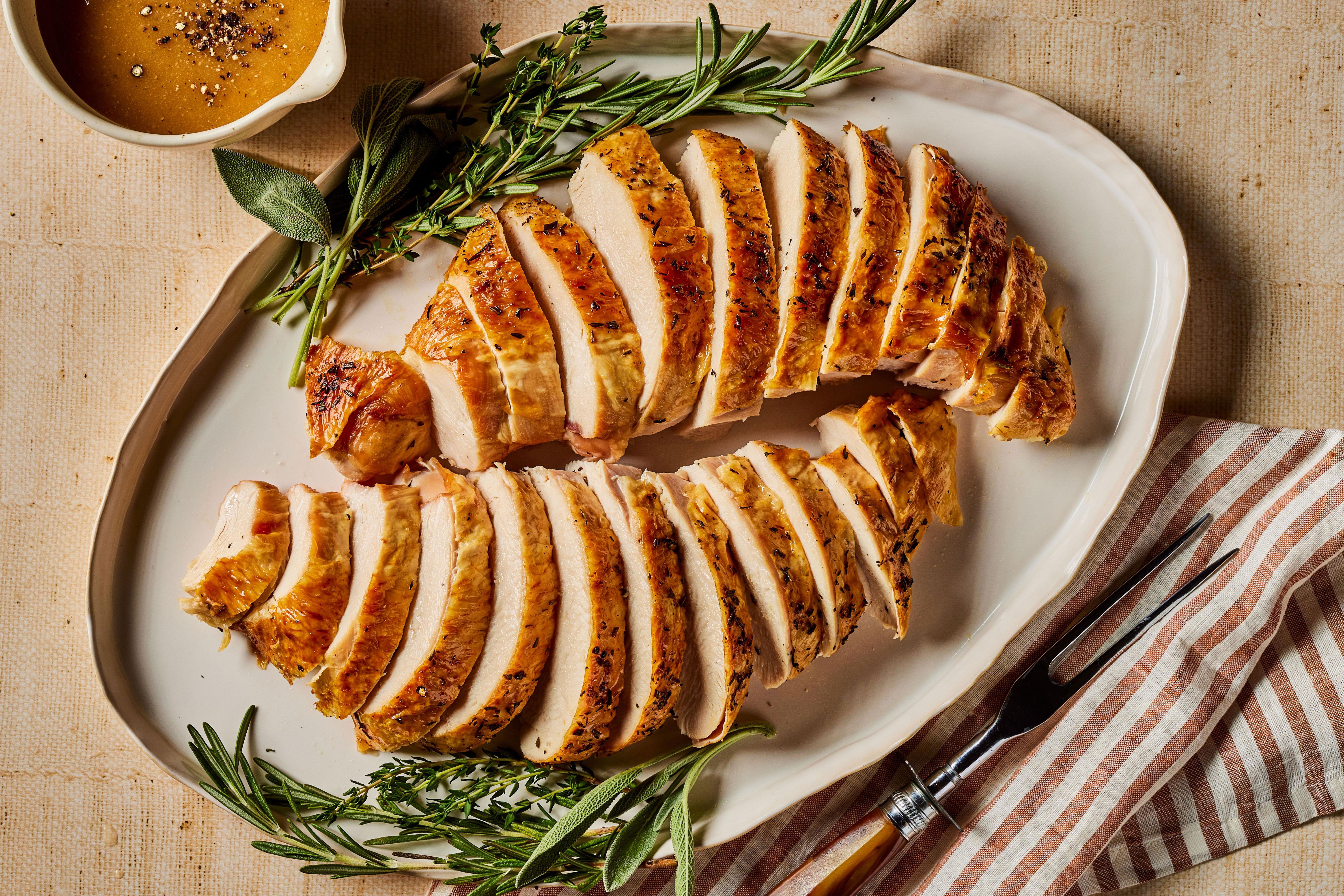
If your backyard grill has been quietly waiting for its hero moment, this Citrus-Marinated Carne Asada Recipe is about to hand it a cape. Carne asada is one of those dishes that looks simplemarinated beef, hot grill, thin slicesbut when it is done well, it tastes like sunshine, smoke, garlic, lime, and a very confident taco truck all showed up to the same party.
This recipe focuses on a bold citrus marinade made with fresh orange juice, lime juice, garlic, cilantro, jalapeño, cumin, oregano, a little oil, and a savory splash of soy sauce or Worcestershire sauce. The result is juicy grilled steak with a tangy edge, lightly charred crust, and enough flavor to make plain tortillas feel like VIP seating.
The beauty of carne asada is that it does not need fancy tricks. It needs the right cut of beef, a balanced marinade, a ripping-hot cooking surface, and one tiny-but-mighty rule: slice the steak against the grain. Ignore that last part and even a perfect marinade may give you steak that chews like a motivational rubber band.
What Is Carne Asada?
Carne asada literally means “grilled meat,” but in everyday American cooking, the phrase usually refers to thinly sliced, marinated grilled beef served in tacos, burritos, bowls, nachos, fries, or straight from the cutting board while pretending you are “just tasting it.” Traditionally, carne asada is associated with Mexican and Northern Mexican grilling culture, where beef is marinated, cooked over high heat, chopped or sliced, and served with tortillas, salsa, onions, cilantro, and lime.
Most carne asada recipes use lean, flavorful cuts such as skirt steak, flank steak, or flap meat. These cuts love marinades because they have a strong beefy flavor and visible grain. They also cook quickly, which makes them perfect for weeknight dinners, weekend cookouts, and “I bought too many tortillas and now need a plan” emergencies.
Why Citrus Works So Well in Carne Asada Marinade
A great carne asada marinade is all about balance. Citrus brings brightness and helps tenderize the surface of the steak. Orange juice adds gentle sweetness, lime juice brings sharp acidity, and lemon juice can be used if you want an extra pop. But citrus should not act alone. Like a band with only tambourines, too much acid gets loud fast.
That is why this marinade includes oil for richness, garlic for depth, cumin and oregano for earthy warmth, cilantro for freshness, jalapeño for mild heat, and soy sauce or Worcestershire sauce for savory umami. A small amount of brown sugar or honey helps encourage browning on the grill, while salt seasons the meat from the outside in.
The trick is not to marinate forever. Citrus is powerful. For skirt steak or flank steak, 2 to 8 hours is ideal. You can go overnight if the steak is thick and the marinade is not overly acidic, but for most thin cuts, too much time can make the surface soft instead of tender. Nobody invited mushy steak to taco night.
Best Cut of Beef for Citrus-Marinated Carne Asada
Skirt Steak
Skirt steak is the classic choice for carne asada. It is thin, richly flavored, and built for high-heat grilling. It has a loose texture that absorbs marinade beautifully. Outside skirt steak is especially prized because it tends to be more tender and well-marbled, though inside skirt steak works too. The important thing is to cook it fast and slice it correctly.
Flank Steak
Flank steak is leaner than skirt steak and has a slightly cleaner beef flavor. It is easy to find in most U.S. grocery stores and works well with citrus marinades. Since it is lean, avoid overcooking it. Medium-rare to medium is usually the sweet spot for tenderness.
Flap Meat
Flap meat, sometimes labeled sirloin flap or bavette, is another excellent option. It has a coarse grain, bold flavor, and enough texture to hold up to grilling. If your butcher has it, grab it. Your tacos will send a thank-you note.
Citrus-Marinated Carne Asada Recipe
Recipe Overview
- Prep time: 15 minutes
- Marinating time: 2 to 8 hours
- Cook time: 8 to 12 minutes
- Rest time: 5 to 10 minutes
- Total time: About 2 hours 30 minutes to 8 hours 40 minutes
- Servings: 4 to 6
Ingredients
- 2 pounds skirt steak, flank steak, or flap meat
- 1/2 cup fresh orange juice
- 1/4 cup fresh lime juice
- 2 tablespoons lemon juice, optional but bright and delicious
- 3 tablespoons olive oil or avocado oil
- 3 tablespoons soy sauce or Worcestershire sauce
- 4 garlic cloves, minced
- 1 jalapeño, finely chopped, seeds removed for less heat
- 1/2 cup chopped fresh cilantro
- 1 teaspoon ground cumin
- 1 teaspoon dried Mexican oregano or regular oregano
- 1 teaspoon chili powder
- 1/2 teaspoon smoked paprika
- 1 tablespoon brown sugar or honey
- 1 1/2 teaspoons kosher salt
- 1/2 teaspoon freshly ground black pepper
- Warm corn or flour tortillas, for serving
- Lime wedges, chopped onion, cilantro, salsa, avocado, or cotija cheese, for serving
Step 1: Make the Citrus Marinade
In a medium bowl, whisk together orange juice, lime juice, optional lemon juice, oil, soy sauce or Worcestershire sauce, garlic, jalapeño, cilantro, cumin, oregano, chili powder, smoked paprika, brown sugar, salt, and pepper. Taste a tiny bit of the marinade before it touches the raw beef. It should be bright, savory, lightly sweet, and bold enough to make your eyebrows pay attention.
Step 2: Marinate the Steak
Place the steak in a large resealable bag or shallow glass dish. Pour the marinade over the meat and turn to coat thoroughly. Seal or cover, then refrigerate for at least 2 hours and up to 8 hours. If using thicker flank steak, you can marinate closer to the longer end. If using thin skirt steak, 2 to 4 hours is often enough.
Turn the steak once or twice during marinating if possible. This helps the citrus marinade reach every corner. Think of it as giving the steak a spa day, except the spa smells like garlic and future tacos.
Step 3: Prep the Grill
Preheat an outdoor grill to high heat. You want a hot surface that can sear the steak quickly and create char before the inside overcooks. If cooking indoors, use a cast-iron skillet or grill pan over medium-high to high heat. Turn on the vent fan unless you want your smoke alarm to join dinner as an uninvited percussion instrument.
Step 4: Grill the Carne Asada
Remove the steak from the marinade and let excess marinade drip off. Pat the surface lightly with paper towels, especially if there are large wet pieces of garlic or cilantro clinging to it. A slightly drier surface browns better.
Grill skirt steak for about 3 to 5 minutes per side, depending on thickness. Flank steak may need 5 to 7 minutes per side. Cook until the steak reaches your preferred doneness. For food safety, whole cuts of beef are commonly cooked to 145°F with a short rest, though many cooks prefer carne asada medium-rare for tenderness. Use an instant-read thermometer if you want accuracy instead of steak astrology.
Step 5: Rest, Slice, and Serve
Transfer the grilled steak to a cutting board and rest for 5 to 10 minutes. Resting helps the juices settle, so they stay in the meat instead of creating a dramatic puddle on the board.
Now comes the most important step: slice thinly against the grain. Look for the long muscle fibers running through the steak and cut across them, not parallel to them. For skirt steak, it often helps to cut the steak into shorter sections first, then slice each section across the grain. This simple move makes the difference between tender carne asada and a jaw workout nobody requested.
How to Serve Citrus-Marinated Carne Asada
The obvious answer is tacos, and honestly, the obvious answer is correct. Warm corn tortillas, chopped white onion, cilantro, salsa verde, and a squeeze of lime are all you need. But this grilled carne asada is flexible enough to become several meals without feeling like leftovers wearing a fake mustache.
Carne Asada Tacos
Layer thin slices of steak into warm tortillas. Add onion, cilantro, salsa, avocado, and lime. Keep the toppings fresh and bright so the citrus-marinated beef remains the star.
Carne Asada Burritos
Wrap the sliced steak with rice, beans, cheese, salsa, guacamole, and a little sour cream. Use a large flour tortilla and roll tightly. This is not the time for a delicate tortilla with commitment issues.
Carne Asada Bowls
Serve over cilantro-lime rice, black beans, grilled peppers, corn, lettuce, pico de gallo, and avocado. It is meal prep, but with personality.
Carne Asada Fries or Nachos
For a fun weekend meal, pile chopped carne asada over crispy fries or tortilla chips with melted cheese, salsa, guacamole, crema, jalapeños, and cilantro. Is it subtle? No. Is it glorious? Absolutely.
Tips for the Best Carne Asada Marinade
Use Fresh Citrus Juice
Bottled juice can taste flat or bitter. Fresh lime and orange juice give the marinade a cleaner, brighter flavor. Since citrus is the headline act here, do not make it perform in bargain-bin shoes.
Do Not Skip the Salt
Salt helps season the surface of the beef and supports the rest of the marinade. Soy sauce or Worcestershire sauce contributes salt too, so the recipe balances both. If using low-sodium soy sauce, taste and adjust with a pinch more kosher salt.
Control the Heat
One jalapeño gives mild warmth. For more heat, leave in the seeds or add a serrano pepper. For less heat, remove the ribs and seeds or skip the pepper entirely. The carne asada will still have plenty of flavor from garlic, citrus, cumin, and cilantro.
Pat the Steak Before Grilling
Wet steak steams before it sears. Let extra marinade drip off and pat lightly so the surface can char. The goal is smoky edges, not boiled citrus beef. That phrase alone should be illegal.
Slice Thinly
Thin slices make carne asada easier to eat in tacos and help every bite feel tender. A sharp knife is your best friend here. A dull knife will shred the meat and test your patience.
Common Mistakes to Avoid
Over-marinating: Citrus can soften the surface of the steak too much if left for a very long time. Keep most marinating sessions between 2 and 8 hours.
Cooking over low heat: Carne asada needs high heat for char. Low heat can dry out thin steak before it browns properly.
Skipping the rest: Resting may feel like waiting, but it protects juiciness. Use those minutes to warm tortillas or make salsa.
Cutting with the grain: This is the big one. If the steak seems chewy even though it was cooked well, slicing direction may be the culprit.
Storage and Reheating
Store leftover carne asada in an airtight container in the refrigerator for up to 3 to 4 days. For best texture, keep the steak in larger pieces if possible and slice just before serving. If it is already sliced, no problemfuture nachos will not complain.
To reheat, warm the steak gently in a skillet over medium heat with a splash of water, broth, or reserved fresh lime juice. Avoid blasting it in the microwave until it turns tough. You can also enjoy leftover carne asada cold in salads, wraps, or late-night “standing in front of the fridge” tacos.
Recipe Variations
Spicy Citrus Carne Asada
Add one chopped serrano, 1 teaspoon chipotle powder, or a spoonful of adobo sauce from canned chipotles. This gives the marinade smoky heat and a deeper chile flavor.
Beer-Citrus Carne Asada
Replace 1/4 cup of the orange juice with Mexican lager. Beer adds malty depth and works beautifully with lime, garlic, and cumin.
Pineapple-Citrus Carne Asada
Add 2 tablespoons pineapple juice for tropical sweetness. Do not add too much or marinate too long, because pineapple contains enzymes that can soften meat quickly.
No-Grill Carne Asada
No grill? Use cast iron. Heat the skillet until very hot, add a small amount of oil, and sear the steak in batches. Do not crowd the pan. Crowding traps steam, and steam is where good crust goes to retire.
Experience Notes: What This Recipe Taught Me About Better Carne Asada
The first time I made citrus-marinated carne asada at home, I made the classic beginner mistake: I believed more marinade time automatically meant more flavor. So I mixed enough lime juice to power a small citrus parade, dropped in the steak, and let it sit overnight like I was aging a masterpiece. The flavor was bright, yes, but the texture was softer than expected. That was the day I learned citrus is not just flavor; it is an ingredient with opinions.
After testing different versions, the best batch was not the one with the most lime or the longest marinating time. It was the one with balance. Orange juice gave sweetness, lime juice brought sparkle, oil rounded the edges, garlic added backbone, and soy sauce delivered savory depth. The steak tasted seasoned, not attacked. That balance is what makes this citrus-marinated carne asada recipe reliable.
Another lesson came from the grill. Carne asada rewards confidence. A hot grill can feel intimidating because things happen quickly, but that speed is exactly the point. Thin cuts like skirt steak and flank steak do not need a long, slow conversation with heat. They need a quick introduction, a good sear, and a polite exit. Once I stopped fussing with the steak and let it char properly, the flavor improved dramatically.
The biggest improvement, though, came from slicing. I had heard “cut against the grain” a thousand times, but carne asada made the lesson impossible to ignore. The same steak can taste tender or chewy depending on knife direction. Now I look for the muscle fibers before cooking, because they are easier to see when the meat is raw. After grilling and resting, I already know how I will slice it. This small habit makes the finished tacos taste like they came from someone who knows what they are doingeven when that person is still wearing an apron dusted with cumin.
Serving also matters. Carne asada loves contrast. The steak is smoky, rich, and citrusy, so it shines with fresh toppings: chopped onion, cilantro, lime, salsa verde, radishes, avocado, or pickled onions. I prefer corn tortillas lightly charred on the grill because they add a toasty flavor that matches the beef. Flour tortillas are excellent for burritos, especially if rice and beans are joining the situation.
One final experience-based tip: make more than you think you need. Carne asada disappears quickly. People hover. Someone will “even out the edges” on the cutting board. Another person will build a taco so generously it needs structural engineering. Leftovers are never a problem because the steak works in breakfast hash, quesadillas, rice bowls, nachos, salads, and sandwiches. In other words, this recipe is not just dinner. It is a strategy.
Conclusion
This Citrus-Marinated Carne Asada Recipe delivers everything good carne asada should: bold citrus flavor, savory garlic, warm spices, smoky char, and tender slices ready for tacos, burritos, bowls, nachos, or a heroic fork-to-cutting-board moment. The key is balance. Use fresh citrus, choose the right steak, marinate long enough but not forever, grill hot, rest the meat, and slice against the grain.
Once you master those steps, carne asada becomes one of the easiest ways to turn a simple piece of beef into a meal that feels festive. It is bright enough for summer, hearty enough for game day, and fast enough for a weeknight when your dinner standards are high but your patience is wearing flip-flops.
Note: This article was created by synthesizing widely accepted U.S. cooking guidance on carne asada marinades, citrus-based steak preparation, grilling methods, food safety, steak cuts, resting, and slicing techniques. It is written as original, publication-ready content without copied source text or unnecessary reference markers.