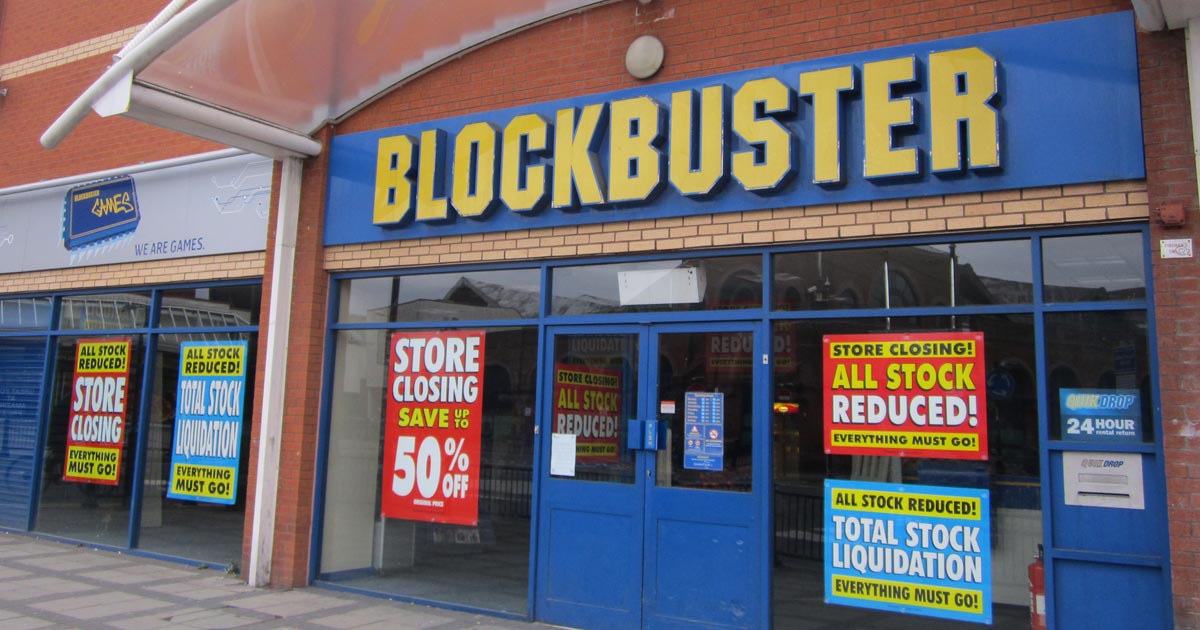
There is a particular kind of person who insists they do not miss video stores. They say streaming is easier, cheaper, faster, and less likely to involve a late fee that appears in the mail like a tiny financial ghost. Fair enough. Streaming is convenient. You can watch a movie in bed, in sweatpants, while eating cereal out of a mug because all the bowls are “soaking.” Technology has given us wonders.
And yet, if you have ever stood in front of a streaming menu for 37 minutes, scrolling past the same glossy thumbnails until your soul quietly left the room, you already know the truth: you miss video stores. Maybe not the fluorescent lighting. Maybe not the sticky carpet. Maybe not the moment your younger sibling chose the same animated movie for the ninth weekend in a row. But you miss the feeling. You miss the ritual. You miss walking into a place where movie night felt like an event instead of another decision trapped inside an app.
The main keyword here is simple: you miss video stores. But the deeper story is about nostalgia, physical media, movie discovery, community, and the strange comfort of wandering aisles filled with VHS tapes, DVDs, staff picks, bad action sequels, horror covers that looked illegal, and one copy of a foreign film you promised yourself you would rent “someday.”
Why Video Stores Felt Better Than Endless Streaming
Streaming gave us instant access, but video stores gave us presence. That is the difference. A streaming app is a library designed by an algorithm. A video store was a place designed by humans, dust, gossip, handwritten signs, and employees who somehow knew both Italian neorealism and the exact shelf location of Con Air.
When you entered a video rental store, you were not just searching for content. You were beginning a small adventure. You had to browse. You had to negotiate. You had to commit. The store had limits, and those limits were part of the pleasure. If the movie you wanted was out, you had to pivot. That disappointment could lead you to something better, stranger, or at least hilariously worse.
Choice Was Physical, Not Infinite
Streaming platforms often promise unlimited choice, but unlimited choice can feel like a trap with better lighting. Video stores narrowed the world into aisles: New Releases, Comedy, Drama, Horror, Staff Picks, Foreign Films, Family, Classics, and the mysterious “Cult” section where half the covers looked like a dare.
That structure mattered. It made discovery manageable. You could walk from one genre to another. You could hold a movie in your hand. You could flip the case over, read the plot summary, examine the cast, question the graphic design, and decide whether the cover art was lying to you. It often was. That was part of the relationship.
The Store Made Movie Night Feel Important
Streaming often turns movie night into “whatever is easiest.” Video stores turned it into a plan. You drove there. You browsed. You argued politely with friends. You bought candy that cost more than dinner. Then you went home with a movie that had weight, a deadline, and a tiny sense of destiny.
In the video store era, the movie did not simply appear. You earned it through effort, judgment, and occasionally by calling the store to ask whether someone had returned Jurassic Park yet. That effort made the viewing feel special. It is the same reason a handwritten letter feels different from a text message, even if the text arrives faster and does not require a stamp.
The Rise and Fall of the Video Rental Store
Video stores were once everywhere in American life. Blockbuster became the giant blue-and-yellow symbol of Friday night entertainment. Independent shops served neighborhoods with personality, weird recommendations, and employees who could identify a movie from a description like, “It had a guy, maybe a robot, and someone yelled near a helicopter.” Family Video became one of the last major chains still standing long after the industry had shifted.
Then the ground moved. Netflix began as a DVD-by-mail service before streaming changed the entire entertainment business. Blockbuster filed for bankruptcy in 2010, and corporate-owned stores were closed by early 2014. Family Video announced the closure of its remaining stores in 2021. Netflix mailed its final DVD in September 2023. Redbox, once the convenient kiosk version of the rental store, shut down its DVD rental business in 2024 as its parent company moved into liquidation.
That sounds like a clean ending, but culture rarely ends cleanly. The last Blockbuster still operates in Bend, Oregon, as both a functioning rental store and a pop-culture pilgrimage site. Scarecrow Video in Seattle continues as a massive nonprofit film archive with an enormous rental collection. Vidiots in Los Angeles has returned as a nonprofit video store and theater. Beyond Video in Baltimore offers a community-based home-video library. The old model did not vanish completely; it changed shape.
What We Lost When Video Stores Disappeared
To say we miss video stores is not to say everything was perfect. Late fees existed. Tapes had to be rewound. Some stores smelled like carpet cleaner, popcorn, and a 1994 minivan. Popular titles were often unavailable, and the person ahead of you in line always seemed to be renting eight movies while asking complicated questions about membership renewal.
Still, the loss is real. We did not just lose a way to rent movies. We lost a social space built around shared taste.
We Lost Human Recommendations
Algorithms are efficient, but they are not curious in the same way people are. A streaming service recommends what it thinks will keep you watching. A video store clerk recommended what might surprise you, challenge you, delight you, or make you say, “Why would you do this to me?” in the best possible way.
Staff picks were miniature essays in taste. A shelf card could introduce you to a director, a genre, or a movie you had never heard of. Sometimes the recommendation was perfect. Sometimes it was unhinged. Either way, it came from a person with opinions, not a machine trained to keep your thumb from escaping the remote.
We Lost Accidental Discovery
Streaming search works beautifully when you already know what you want. But video stores were built for not knowing. You might go in for a comedy and leave with a documentary, a Western, and a horror movie because the cover had a skeleton playing a saxophone. Was that a good reason? Maybe not. Was it memorable? Absolutely.
Physical browsing allowed your eyes to wander. You saw what was next to what. You noticed titles because of color, typography, placement, and pure randomness. Streaming menus try to recreate discovery with rows like “Because You Watched One Detective Show in 2019,” but they often feel less like exploration and more like being gently trapped in a digital hallway.
We Lost a Neighborhood Hangout
A video store was a local gathering place. You could run into a neighbor, overhear a debate about the best Batman, or watch a parent negotiate with a child who wanted five cartoons and no vegetables. It was retail, yes, but it was also theater.
Independent video stores especially reflected their communities. Their collections were shaped by local tastes, staff obsessions, donations, and the glorious stubbornness of cinephiles. They were not identical boxes of content. They had personality. Some were artsy. Some were chaotic. Some had a horror section so lovingly curated it deserved federal protection.
Streaming Fatigue Is Real, and Video Stores Predicted the Cure
The funny thing about modern entertainment is that it solved the access problem and created a decision problem. Today, a viewer may subscribe to several platforms and still not find the movie they want. Titles move between services. Prices rise. Password rules change. Menus update. Ads appear. A movie that was “included” last month may suddenly cost $3.99 to rent. Somewhere, a dusty DVD case is laughing.
This is where video-store nostalgia becomes more than sentimental. It points to something people still want: curation. We do not only want more movies. We want better ways to choose them. We want context, recommendation, ownership, permanence, and a sense that movie night has a beginning, middle, and end.
Physical media also offers something streaming cannot always guarantee: stability. A DVD or Blu-ray on your shelf does not disappear because a licensing deal changed. It does not require a subscription. It does not buffer. It does not ask whether you are still watching with the passive-aggressive energy of a disappointed roommate.
Why Younger Viewers Are Curious About Video Stores
For people who grew up after the video-store boom, the fascination may seem odd at first. Why romanticize renting a movie when everything is online? But younger viewers have also inherited the chaos of abundance. They know the frustration of app-hopping. They know the weird emptiness of having hundreds of options and no clear desire to watch any of them.
That is why video stores have become appealing as an aesthetic and as an experience. They represent slower choice. They represent physical culture. They represent a world where films were not just tiles in a feed but objects with covers, categories, and histories. For Gen Z collectors and movie fans, VHS tapes and DVDs can feel like vinyl records: imperfect, tactile, and refreshingly real.
Physical Media Feels Personal
A shelf of movies says something about you. It reveals your taste, your phases, your guilty pleasures, and your confusing decision to own three editions of the same film. A streaming profile, by contrast, says you once fell asleep during a cooking show and are now doomed to see baking recommendations forever.
Video stores celebrated personal taste because every rental was a tiny public declaration. You carried your choice to the counter. Someone saw it. There was accountability. Renting a serious art film made you feel cultured. Renting a ridiculous sequel made you feel honest. Renting both was probably the healthiest option.
The Last Video Stores Are More Than Nostalgia Museums
Surviving video stores and nonprofit film libraries are not simply preserving old plastic boxes. They are protecting access to film history. Not every movie is available on major streaming services. Older films, foreign titles, documentaries, cult classics, regional oddities, and obscure releases can fall through the cracks of digital distribution.
Places like Scarecrow Video, Vidiots, and Beyond Video matter because they keep those works visible. They create spaces where film is treated as culture, not just content. They host conversations, screenings, memberships, volunteer networks, and browsing experiences that remind people movies are meant to be found, discussed, recommended, and argued about with unreasonable passion.
That may be the real reason video-store nostalgia refuses to die. The stores represented a democratic kind of cinephilia. You did not need a film degree. You just needed curiosity, a few dollars, and the willingness to take a chance on a cover that looked interesting.
What Video Stores Can Teach Modern Entertainment
The future will not bring back video stores on every corner. That era is gone, along with pay phones, mall fountains, and the belief that every restaurant needed a fax machine. But modern entertainment can still learn from what video stores did well.
Make Discovery Feel Human
Streaming platforms should not only recommend based on similarity. They should create better editorial collections, staff-style picks, local film-club lists, seasonal shelves, and human-guided pathways through deep catalogs. People enjoy being surprised when the surprise feels thoughtful.
Respect the Ritual
Movie night is not just playback. It is anticipation, selection, snacks, environment, and shared attention. Video stores understood that the ritual around the movie mattered almost as much as the movie itself. Streaming services could do more to help viewers create that sense of occasion instead of dumping them into another infinite menu.
Preserve Access, Not Just Hits
One major weakness of the streaming age is that availability can be temporary and uneven. The video-store model reminds us that deep catalogs matter. Film culture needs more than the newest releases and the most profitable franchises. It needs weird movies, forgotten movies, difficult movies, local movies, and movies that only make sense at midnight with popcorn.
A 500-Word Experience: The Video Store Feeling We Secretly Want Back
Imagine it is Friday night. Not a “calendar app reminder” Friday night. A real Friday night, the kind that smells like pizza boxes, car upholstery, and freedom. You pull into the parking lot of a video store after dinner, and the sign is glowing like a low-budget lighthouse. Inside, the air is cool. The door chimes. Somewhere near the counter, a trailer is playing on a tiny television mounted too high for anyone’s neck health.
You do not know exactly what you want. That is the point. You start at New Releases because everyone starts at New Releases. The movie you came for is gone, represented only by five empty display cases and the bitter knowledge that someone else is having the evening you planned. At first, this feels like defeat. Then the store opens up. You wander into Comedy. You pick up a movie you have seen before but still love. You put it back because tonight should be different. You walk into Horror and immediately judge several covers for trying too hard. One of them works. You carry it around for ten minutes like a dare.
Your friend finds a staff pick with a handwritten note: “Slow at first, then amazing.” Nobody knows whether to trust this. The employee behind the counter says it is “actually great,” which somehow settles the matter. Another person in your group wants a familiar blockbuster. Someone else wants a movie with subtitles because they are feeling ambitious and possibly trying to impress everyone. A debate begins. It is not efficient, but it is fun. The argument is part of the rental.
Eventually, you make a choice. Maybe two choices, because commitment is hard and the store has a deal. You grab candy at the counter even though you know it is overpriced. You rent the movie, receive the case, and feel the tiny responsibility of bringing it back. The clerk reminds you of the due date. You nod solemnly, as if entrusted with a national secret.
At home, the movie begins differently because the night has already had a story. You did not just click. You hunted. You considered. You compromised. You took a chance. If the movie is great, you feel victorious. If it is terrible, you still have a story about how you ended up watching it. That is what streaming often misses: the memory around the movie.
Years later, you may not remember every plot. But you remember the aisles. You remember the covers. You remember the friend who always picked action movies, the parent who read every synopsis, the clerk with elite taste, the cardboard cutouts, the plastic cases, and the feeling that choosing a movie was a shared mission. That is why you miss video stores, even if you will not admit it. You miss being part of the movie before the movie even started.
Conclusion: Admit It, You Miss Video Stores
Video stores were not perfect, but they were meaningful. They made entertainment physical, social, and memorable. They gave us discovery without endless scrolling, recommendations with personality, and movie nights that felt like small adventures. Streaming is convenient, and nobody wants to return to late fees as a lifestyle. But convenience is not the same as connection.
When people say they miss video stores, they are not only missing VHS tapes, DVD cases, or Blockbuster signs. They are missing a way of choosing that felt human. They are missing the joy of browsing without pressure, talking about movies with strangers, and finding something unexpected because it happened to be sitting on a shelf at eye level.
So yes, you miss video stores. You miss the ritual, the randomness, the community, and the thrill of taking home a movie that felt chosen instead of served. Streaming may have won the technology battle, but video stores still own a corner of our collective movie-loving hearts. Be kind, rewind emotionally.