Breeding English Bulldogs is not a casual weekend hobby, a “my dog is cute, let’s make tiny versions” project, or a shortcut to easy puppy money. It is one of the most demanding forms of dog breeding because Bulldogs are a brachycephalic breed, meaning their short muzzle, broad head, heavy body, and compact structure require extra attention to breathing, heat tolerance, pregnancy, delivery, and newborn care. In plain English: this breed is adorable, but Mother Nature did not exactly hand Bulldog breeders an easy instruction manual.
A responsible Bulldog breeding program starts long before a female comes into heat. It begins with education, health testing, honest evaluation, a strong relationship with a veterinarian, and a plan for every puppy before the litter exists. The goal is not simply to produce puppies. The goal is to improve the breed, protect the mother, reduce inherited problems, and raise stable, healthy puppies who will thrive in carefully chosen homes.
This guide explains how to breed English Bulldogs responsibly, from deciding whether a dog should be bred to preparing for pregnancy, delivery, puppy care, and ethical placement. It is written for readers who want real information, not backyard-breeding myths wrapped in a cute puppy bow.
First, Should You Breed an English Bulldog?
The first question is not “How do I breed English Bulldogs?” It is “Should this English Bulldog be bred at all?” That question matters more with Bulldogs than with many other breeds because the breed is known for health challenges related to breathing, joints, skin folds, heat sensitivity, reproductive difficulty, and birth complications.
A Bulldog should only be considered for breeding if it has excellent temperament, sound structure, good breathing, healthy skin, proper movement, and veterinary-supported health clearances. Being lovable on the couch is wonderful, but couch charm is not a breeding qualification. Many amazing pets should never become breeding dogs, and that is not an insult. It is responsible ownership.
Responsible breeders breed to improve. That means they compare each dog honestly against the Bulldog standard, study pedigrees, evaluate relatives, and avoid doubling up on weaknesses. For example, if a female has narrow nostrils, chronic skin infections, poor heat tolerance, or orthopedic problems, breeding her may pass those issues forward. A cute face is not enough. Health must sit in the driver’s seat, even if the Bulldog would prefer to sit there wearing sunglasses.
Understand the Bulldog’s Special Breeding Challenges
English Bulldogs often need reproductive help. Many Bulldog breedings are planned with veterinary timing, progesterone testing, artificial insemination, or other reproductive support. Many Bulldog deliveries are also handled through planned veterinary care, and breeders must be prepared for the possibility of a C-section. This is why a Bulldog breeder should not wait until labor starts to look up “emergency vet near me.” That is how panic gets a name tag.
Because Bulldogs have large heads and compact bodies, whelping can be risky. The mother may need close monitoring before and after delivery, and newborn puppies often require round-the-clock supervision during the first days. A responsible breeder plans for veterinary costs, emergency care, milk supply concerns, weak puppies, temperature control, and sleep deprivation. Yes, sleep deprivation. Bulldog puppies are tiny, hungry alarm clocks with paws.
Step 1: Build a Veterinary Team Before Breeding
Before breeding an English Bulldog, find a veterinarian experienced with Bulldogs and canine reproduction. Ideally, this vet understands brachycephalic breeds, pregnancy timing, C-section planning, neonatal care, and reproductive testing. Some breeders also work with a board-certified theriogenologist, which is a veterinarian specializing in reproduction.
Your veterinary plan should include pre-breeding exams for both the dam and sire, reproductive screening, vaccination review, parasite control, nutritional assessment, and discussion of pregnancy risks. Ask direct questions: Is this female healthy enough to carry a litter? Is her airway acceptable? Does she tolerate activity and warm weather well? Are there orthopedic or cardiac concerns? Has she had previous reproductive problems?
If the vet hesitates, listen. A good breeder does not shop around until someone says yes. A good breeder protects the dog even when the answer is disappointing.
Step 2: Complete Health Testing
Health testing is one of the clearest differences between responsible Bulldog breeding and “two dogs in the backyard and crossed fingers.” For Bulldogs, commonly recommended screening areas include cardiac evaluation, patellar luxation, tracheal hypoplasia, eye exams, hip evaluation, thyroid testing, hearing checks, and genetic testing for conditions such as hyperuricosuria when appropriate.
Health testing does not guarantee perfect puppies, but it reduces avoidable risk. It also gives buyers confidence that the breeder is not guessing. Results should be documented, not casually described as “the vet said she looks fine.” A quick glance is not the same as formal screening.
Breeders should also study pedigrees. A pedigree is more than a fancy family tree. It can reveal repeated health patterns, longevity, temperament, fertility, C-section history, breathing quality, and structural strengths or weaknesses. If the same issue appears again and again in close relatives, pretending not to see it does not make it disappear. It just gives the problem a forwarding address.
Step 3: Choose the Right Pairing
Choosing a sire and dam is not about finding the closest male Bulldog with a handsome head. The pairing should balance strengths and weaknesses. If the female is excellent in temperament but slightly weak in movement, the male should be strong in movement and come from lines known for sound structure. If the male has a beautiful head but a history of breathing difficulty, he should not be used simply because he photographs well.
Good pairings consider health, structure, temperament, genetic diversity, fertility, pedigree compatibility, and the breeder’s long-term goals. The best Bulldog breeders are patient. They may wait months or years for the right match rather than breed the wrong pair quickly.
What to Look for in a Breeding Bulldog
- Clear, comfortable breathing at rest and during mild activity
- Healthy skin and manageable facial folds
- Sound movement without obvious lameness
- Stable, friendly temperament
- Good veterinary and health-testing records
- No serious inherited disease patterns in close relatives
- Correct Bulldog type without exaggeration
Step 4: Time the Breeding Correctly
Female dogs usually come into heat about twice a year, though cycles vary. A Bulldog breeder should track heat cycles carefully, including the first day of visible bleeding, swelling, behavior changes, and receptivity. However, visual signs are not enough for accurate timing. Progesterone testing is commonly used to determine ovulation and the best breeding window.
Progesterone testing is especially helpful for Bulldogs because timing affects fertility, pregnancy dating, and delivery planning. Blood tests may begin several days after the first signs of heat and repeat every one to three days depending on the veterinarian’s recommendation. Accurate timing helps avoid missed breedings and helps estimate the due date more safely.
Some Bulldogs may breed naturally, but many breeders use artificial insemination under veterinary guidance. This should be handled professionally, with attention to semen quality, timing, female comfort, and proper documentation. Never force a mating. If the dogs are stressed, overheated, or struggling, stop and call the vet. Bulldog breeding should never look like a wrestling match with registration papers.
Step 5: Confirm Pregnancy and Monitor the Dam
Pregnancy can usually be checked by a veterinarian around four weeks after breeding using palpation or ultrasound, depending on timing and the vet’s preference. Later, an X-ray may help estimate litter size when fetal skeletons are visible. Knowing the approximate number of puppies is useful because it helps the breeder and veterinarian recognize whether all puppies have been delivered.
Canine pregnancy averages about two months, but exact timing depends on ovulation and breeding dates. This is another reason progesterone testing matters. During pregnancy, the dam should receive excellent nutrition, moderate exercise, parasite control approved by the veterinarian, and careful monitoring. She should not become obese. A pregnant Bulldog is not eating for twelve; she is eating for healthy growth under veterinary guidance.
Watch for warning signs such as appetite loss that persists, fever, foul discharge, collapse, severe breathing trouble, extreme lethargy, or distress. Bulldogs can decline quickly, so do not “wait and see” through serious symptoms. Call the veterinarian.
Step 6: Prepare for Delivery Early
Bulldog whelping requires preparation. Many breeders work with their veterinarian to decide whether a planned C-section is medically appropriate. Timing is critical. Delivering puppies too early can endanger them, while waiting too long can endanger the dam and litter. Your vet may use progesterone timing, temperature monitoring, behavior changes, and other signs to plan safely.
In the final week, breeders often monitor the dam’s rectal temperature. A drop below about 99°F can indicate labor may begin within 24 hours. Other signs may include nesting, panting, restlessness, digging, and refusing food. However, Bulldogs should be handled with extra caution because natural labor may not be safe for every dam. Discuss all labor signs and emergency instructions with the vet before the due date arrives.
Whelping Supplies to Prepare
- A clean whelping box with safe, washable bedding
- Digital thermometer for the dam
- Heat source for puppies, used carefully to prevent burns
- Clean towels and puppy-safe disinfectant
- Digital scale for daily puppy weights
- Veterinarian-approved milk replacer and feeding tools
- Emergency contact numbers for regular and after-hours care
Step 7: Care for Newborn Bulldog Puppies
The first 48 hours after birth are intense. Newborn Bulldog puppies must stay warm, nurse regularly, and gain weight. They cannot regulate body temperature well, and chilling can become dangerous quickly. At the same time, overheating is also risky. The goal is controlled warmth, not a puppy sauna.
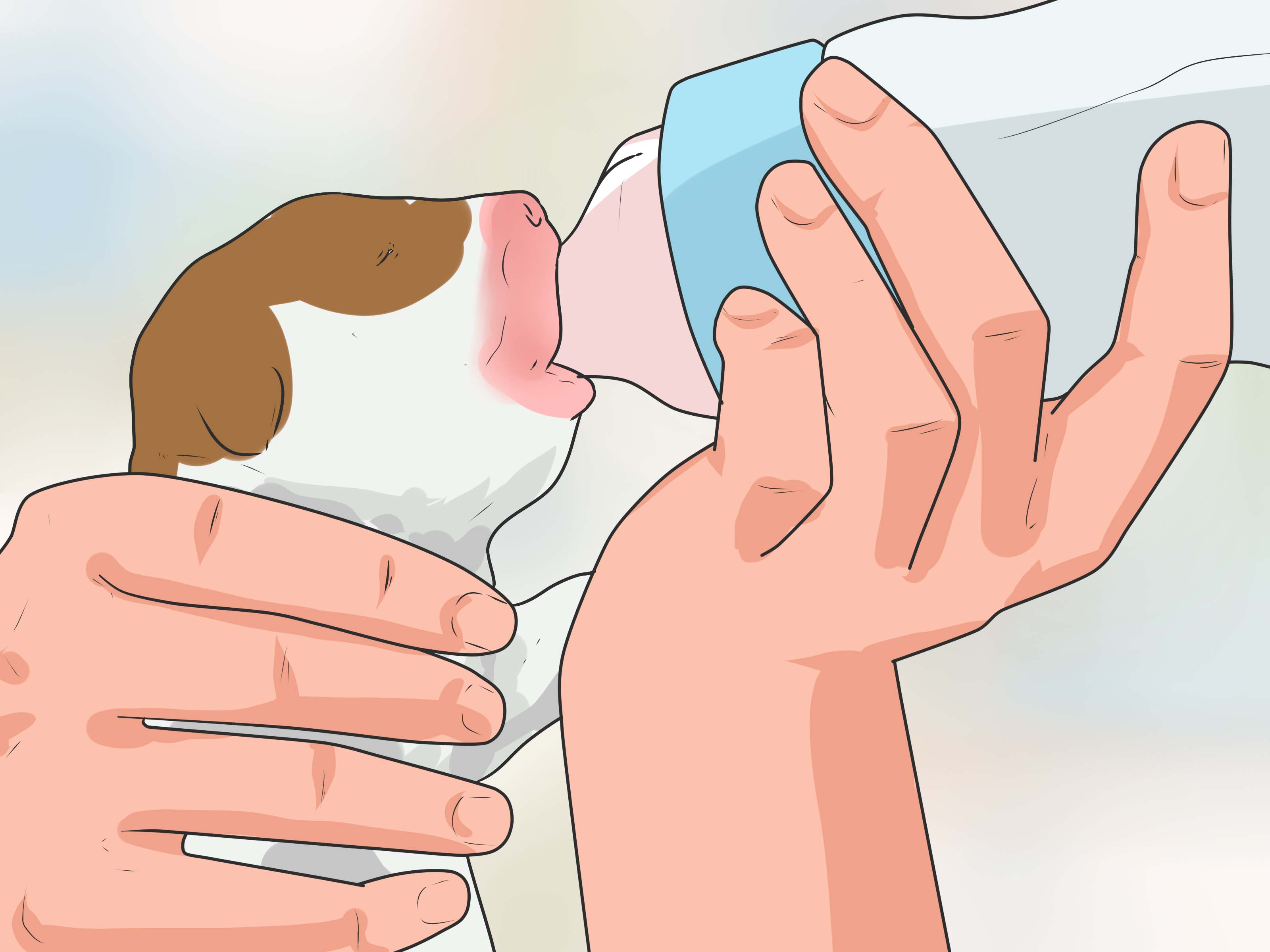
Supervise nursing carefully. Bulldog mothers may be loving but clumsy, especially after anesthesia or surgery. A dam can accidentally lie on a puppy, so many breeders supervise every nursing session at first. Puppies should be weighed at least daily, and weak puppies may need veterinary help or supplemental feeding.
Colostrum, the first milk, is important for immune support. Puppies should nurse soon after birth if the dam is able. If a puppy cannot latch, cries constantly, feels cool, becomes limp, or fails to gain weight, contact a veterinarian immediately. Neonatal problems move fast, and tiny puppies do not have much reserve.
Step 8: Support the Mother After Birth
The dam needs close care after delivery, especially after a C-section. Monitor her incision if surgery was performed, appetite, hydration, temperature, breathing, milk production, and attitude toward the puppies. Some panting after delivery can occur, but severe distress, weakness, fever, foul discharge, or refusal to care for puppies should be treated as urgent.
Keep the mother clean, comfortable, and calm. Offer food and water as advised by the vet. Do not overload her with visitors. A new Bulldog mother does not need a parade of relatives taking selfies over the whelping box. She needs quiet, hygiene, and supervision.
Step 9: Socialize Puppies the Right Way
Responsible Bulldog breeding does not end when puppies are born. Early handling, gentle exposure, clean surroundings, and stable routines help puppies grow into confident companions. Puppies should experience normal household sounds, kind human interaction, different surfaces, safe toys, and age-appropriate play.
Veterinary exams, deworming, vaccinations, microchipping, and records should be completed according to professional guidance. Puppies should not leave for new homes before eight weeks of age. Many Bulldog breeders prefer to keep them longer to evaluate breathing, structure, temperament, and readiness.
Buyers should be screened carefully. English Bulldogs are not the right breed for every household. They need temperature management, skin care, weight control, veterinary attention, and owners who understand that snoring may be cute, but breathing difficulty is not.
Step 10: Use Contracts and Lifetime Responsibility
A responsible breeder uses written contracts that explain health records, registration status, spay/neuter expectations if applicable, return policies, guarantees, and buyer responsibilities. The contract should also state that if the owner can no longer keep the dog, the breeder will help take the dog back or assist with placement.
This is where ethical breeders separate themselves from puppy producers. They do not vanish after payment clears. They answer questions, support owners, track puppy development, and use feedback to improve future breeding decisions.
Common Mistakes to Avoid
Breeding Too Young
A female Bulldog should not be bred just because she has had her first heat. Physical maturity, mental stability, and veterinary evaluation matter. Breeding too young can risk the dam’s health and produce weaker outcomes.
Skipping Health Tests
Skipping health testing to save money is not saving money. It is transferring risk to the puppies, buyers, and breed. Testing is part of the cost of doing things correctly.
Ignoring Breathing Problems
Noisy breathing, exercise intolerance, blue gums, overheating, or frequent collapse are not “normal Bulldog things.” They are red flags. Dogs with significant airway issues should not be bred.
Breeding for Extreme Looks
Overly flat faces, excessive wrinkles, very heavy bodies, and exaggerated features may win attention online, but they can harm quality of life. Breed for health, balance, and function, not cartoon proportions.
Underestimating Cost
Bulldog breeding can involve health testing, reproductive exams, progesterone tests, stud fees, artificial insemination, ultrasound, X-rays, C-sections, emergency care, puppy supplies, vaccinations, microchips, food, and time away from work. Anyone looking for cheap puppies should not breed Bulldogs.
Ethical Bulldog Breeding in Today’s World
Modern Bulldog breeding faces public scrutiny, and some of that scrutiny exists for good reason. Brachycephalic breeds have well-known welfare concerns, especially when breeders prioritize appearance over function. Ethical Bulldog breeders should welcome higher standards, not fear them. Better breathing, better movement, healthier skin, and longer comfort should be the future of the breed.
The best breeders are transparent. They share test results, explain risks honestly, and admit that Bulldogs require serious care. They do not tell buyers, “This breed has no problems.” Every breed has problems. Bulldogs simply require extra honesty because their challenges are easy to romanticize under a pile of wrinkles.
Real-World Experience: What Breeding English Bulldogs Is Really Like
Anyone researching how to breed English Bulldogs should understand the difference between the idea and the reality. The idea is soft puppy photos, proud families, and a happy mother surrounded by little potatoes with paws. The reality includes spreadsheets, vet bills, alarms at 2:00 a.m., towels in the washing machine again, and the strange ability to discuss puppy stool quality while eating breakfast. Breeding Bulldogs responsibly is not glamorous, but it can be deeply meaningful when done for the right reasons.
One of the most important experiences breeders describe is the need to plan everything early. The breeder who succeeds is usually the one who already has the vet’s phone number, the emergency clinic route, the whelping supplies, the puppy scale, and the dam’s medical history organized before breeding ever happens. Waiting until the dam is restless and panting to make a plan is like opening an umbrella after the living room is already flooded.
Another real lesson is that Bulldog puppies require hands-on monitoring. A healthy litter can still need help latching, rotating nursing positions, staying warm, and gaining weight evenly. The smallest puppy may need extra time at the best nipple. A larger puppy may bulldoze the others like a tiny linebacker. The breeder becomes part nurse, part referee, part janitor, and part sleep-deprived detective.
Experienced breeders also learn not to let pride override judgment. Sometimes a planned pairing does not work. Sometimes a female should be retired earlier than expected. Sometimes a promising puppy should be placed as a beloved pet instead of kept for breeding. Those decisions can sting, but ethical breeding is full of choices where the dog’s welfare must win over human ambition.
Buyer education is another major part of the experience. Good Bulldog breeders spend time explaining heat sensitivity, safe exercise, skin-fold care, weight control, airway warning signs, and the importance of pet insurance or a veterinary budget. They also help buyers understand that a Bulldog is not built for jogging in July, living outdoors, or climbing endless stairs. The breed’s charm comes with maintenance, and responsible owners should know that before they bring home a puppy.
Perhaps the biggest lesson is emotional responsibility. When you breed a litter, you are responsible for lives that may last a decade or more. That responsibility does not end when puppies leave. Ethical breeders celebrate updates, answer worried messages, support families through challenges, and take back dogs if circumstances change. The best breeders are not just creating puppies; they are building a safety net.
So, if you want to breed English Bulldogs, approach it with humility. Learn from mentors. Work with veterinarians. Keep records. Choose health over hype. Be honest about costs and risks. Love the breed enough to say no when breeding is not in a dog’s best interest. That is not pessimism. That is how the Bulldog gets a better future, one careful decision at a time.
Conclusion
Learning how to breed English Bulldogs responsibly means learning how to protect the breed, not merely reproduce it. The process requires health testing, careful mate selection, veterinary timing, pregnancy monitoring, delivery planning, newborn care, buyer screening, and long-term responsibility. Bulldogs are funny, affectionate, stubborn, charming dogs, but their breeding needs are serious.
If your goal is quick profit, choose another path. If your goal is healthier Bulldogs, well-matched homes, and honest stewardship, begin with education and surround yourself with experienced mentors and veterinary professionals. Responsible Bulldog breeding is demanding, expensive, and occasionally exhausting, but when done ethically, it can help move the breed toward a healthier and more humane future.