Motherhood has never been short on drama. There are tiny socks that vanish into another dimension, diaper bags with the emotional weight of a carry-on suitcase, and the heroic daily decision between dry shampoo and pretending a messy bun was “Parisian.” But somewhere between the burp cloths and bedtime stories, a fresh idea began to shimmer: motherhood could be practical, emotional, chaotic, tender, and still wildly stylish.
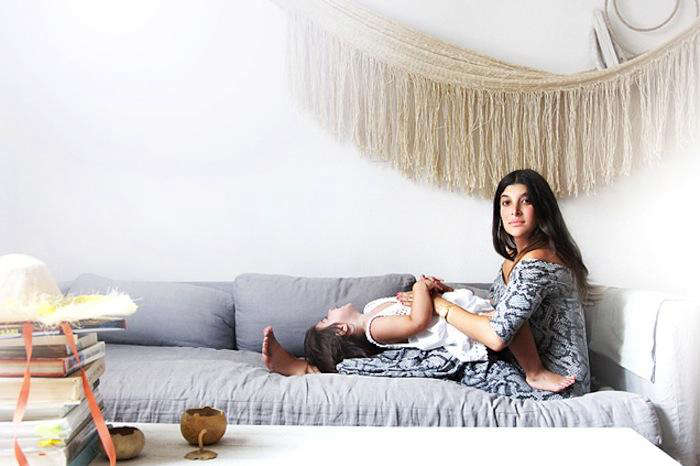
That idea sits at the heart of The Glow: A Chronicle of Fashionable Motherhood, a phrase that captures more than a pretty aesthetic. It reflects a cultural shift in how modern mothers are seen: not as women who must retire their personal style the moment a stroller enters the hallway, but as people whose identity expands rather than disappears. The Glow, originally known as a stylish motherhood platform created by Violet Gaynor and photographer Kelly Stuart, helped define this visual language. It offered intimate looks at creative mothers, their children, their homes, and the beautiful mess of family life.
The result was not just another polished lifestyle fantasy. It was a new kind of motherhood storytelling: part fashion diary, part home tour, part parenting reflection, and part reminder that a woman can love a baby, a good coat, a good chair, and a quiet cup of coffee with equal sincerity.
What Is “The Glow” Really About?
At first glance, The Glow seems like a celebration of fashionable motherhood: beautiful women, interesting homes, soft natural light, and children who somehow look camera-ready while holding snacks. But its deeper appeal comes from its focus on personality. The mothers featured are not presented as mannequins with diaper bags. They are designers, artists, stylists, photographers, entrepreneurs, and creative thinkers building family life around their own sense of beauty.
The project became known for featuring tastemaker mothers such as Rebecca Minkoff, Cynthia Rowley, Jemima Kirke, Cass Bird, Kate Young, and other creative women whose work and homes reflected a clear point of view. The companion book, The Glow: An Inspiring Guide to Stylish Motherhood, brought that vision into print with photography, interviews, and reflections on style, beauty, home decor, food, fitness, marriage, and parenting. In other words, it understood that motherhood is not one topic. It is a full weather system.
What made The Glow stand out was its refusal to make motherhood look small. Instead of asking mothers to choose between style and practicality, it asked a more interesting question: what happens when the nursery, the closet, the kitchen, the career, and the child all exist in the same frame?
Fashionable Motherhood Is Not About Looking Perfect
Let’s clear something up before anyone panics and throws a silk blouse into the laundry next to a mashed banana disaster. Fashionable motherhood does not mean perfect motherhood. It does not mean every school drop-off requires a runway look. It does not mean a mother must own designer flats, a minimalist nursery, or a stroller that costs more than a used scooter.
Fashionable motherhood is better understood as intentional motherhood style. It is the art of keeping a visible thread of yourself alive while caring for someone else. For one mother, that may be a red lipstick worn with a nursing-friendly shirt. For another, it may be wide-leg jeans, sneakers, and a vintage jacket that makes the grocery store feel slightly less like a snack-based obstacle course. For another, it may be a uniform of black leggings and gold hoops because sanity is also a style category.
The Glow popularized the idea that motherhood could be photographed and discussed with the same attention often given to fashion editorials. But its most useful lesson is not “buy more beautiful things.” It is “notice what makes you feel like yourself.” That is a much more generous idea, and frankly, far more useful when someone has just spilled applesauce on your sleeve.
The Evolution of Maternity Fashion: From Hidden to Highlighted
For a long time, maternity fashion was treated like a temporary emergency. Clothes were often designed to hide the body, soften the silhouette, and whisper, “Nothing to see here, please continue.” Many women found themselves choosing between comfort and identity, as if pregnancy required them to borrow someone else’s closet for nine months.
Modern maternity fashion has changed that conversation. Brands such as HATCH helped popularize clothing meant to work before, during, and after pregnancy. The idea was simple but powerful: women do not stop being stylish because their bodies are changing. In fact, pregnancy and postpartum life often demand smarter design, softer fabrics, better cuts, and pieces that can move through different stages of life.
Celebrity culture also pushed maternity style into a new era. Rihanna’s bold pregnancy looks, Sienna Miller’s elegant red-carpet moments, Hailey Bieber’s polished minimalism, and Sofia Richie Grainge’s refined maternity wardrobe all helped show that pregnancy style can be expressive rather than apologetic. The bump became part of the outfit, not something to disguise behind a tent-like tunic. We thank the fashion gods for progress, and also for elastic waistbands that do not look like they gave up in 1998.
Why The Glow Still Feels Relevant
Even years after its rise, The Glow remains relevant because it anticipated a larger cultural movement: mothers want to be seen as whole people. They want media that honors tenderness without turning them into greeting cards. They want beauty that includes real homes, real children, real work, and the occasional suspicious stain that nobody wants to identify.
The Glow’s visual approach also matched the rise of image-driven digital culture. Before Instagram became the unofficial museum of everyone’s breakfast, platforms like The Glow showed how editorial photography could make motherhood feel intimate and aspirational at the same time. Its portraits were not just about outfits. They were about atmosphere: the way a mother holds a child, the way toys live beside art books, the way a home becomes both personal and shared.
That balance still matters today. Modern mothers are surrounded by advice, product recommendations, parenting debates, and impossible standards. The Glow offered something softer: a glimpse. It did not need to solve every parenting question. It simply opened a door and said, “Here is one way a creative family lives.”
The Home as a Style Statement
One of the most charming parts of fashionable motherhood is the way children change the home. Before kids, a living room may be arranged around a coffee table book, a sculptural lamp, and a chair nobody is allowed to sit in while eating crackers. After kids, the same room often gains blocks, tiny shoes, art projects, and a toy basket that claims it is “woven storage” but is clearly working overtime.
The Glow understood that motherhood style extends beyond clothing. A home becomes part of the story. The nursery does not have to be pastel and predictable. A child’s room can include art, texture, vintage pieces, family objects, or colors that feel connected to the rest of the home. Fashionable motherhood often rejects the idea that family spaces must be either museum-perfect or completely surrendered to plastic chaos.
The best family interiors usually live somewhere in the middle. They are beautiful but forgiving. They have washable rugs, baskets with secrets, sturdy tables, and at least one corner where toys mysteriously multiply after sunset. A stylish home with children is not a home without mess. It is a home where the mess has been given a charming container and a deadline it will absolutely ignore.
Personal Style After Baby: The Identity Question
One of the most honest parts of motherhood is that identity can feel rearranged. A new baby changes time, body, energy, budget, and routine. Clothes that once felt easy may suddenly feel impractical. Favorite jeans may become a historical artifact. Jewelry must pass the “tiny hand yank test.” Even handbags evolve from cute accessories into mobile command centers stocked with wipes, snacks, and one mysterious toy car.
This is why postpartum style deserves compassion. The goal is not to “bounce back,” a phrase that should be placed gently in a box and sent to the moon. The better goal is to reconnect. What colors still make you happy? Which fabrics feel kind to your skin? What shoes can survive a playground, a meeting, and a coffee spill? What small detail makes you feel polished even when the day is held together by caffeine and hope?
Fashionable motherhood is powerful when it becomes a tool of self-recognition. A mother may not dress exactly as she did before, and that is not failure. It is evolution. A new silhouette, a simpler routine, a capsule wardrobe, or a few signature accessories can become part of a new chapter.
Practical Lessons From Stylish Mothers
1. Build a Uniform, Then Make It Yours
The most stylish mothers often rely on repeatable formulas. A uniform is not boring; it is freedom with buttons. Think relaxed denim, a crisp shirt, a soft knit, a blazer, sneakers, and one memorable accessory. The formula reduces decision fatigue, which is important when someone is asking for a banana while holding a banana.
2. Invest in Transitional Pieces
Clothing that works across pregnancy, postpartum, work, errands, and weekends is valuable. Wrap dresses, oversized shirts, ribbed knits, stretch trousers, button-downs, easy jumpsuits, and quality outerwear can support style through changing seasons of motherhood.
3. Let Accessories Do the Heavy Lifting
When time is limited, accessories can rescue an outfit faster than a toddler can find an uncapped marker. Sunglasses, earrings, scarves, belts, flats, sneakers, and structured bags add personality without requiring a full wardrobe revolution.
4. Choose Beauty Routines That Respect Real Life
Fashionable motherhood does not require a 12-step beauty ritual. A five-minute routine can be enough: moisturizer, sunscreen, concealer, brow gel, lip color, and a hairstyle that looks intentional from at least six feet away. That counts. We are not accepting objections.
5. Keep the Humor
The most glamorous parenting accessory is a sense of humor. Clothes will wrinkle. Children will comment loudly on your outfit in public. A white dress will attract jam like a magnet with a tiny spoon. Style becomes easier when it leaves room for real life.
The Cultural Meaning of Stylish Motherhood
The rise of stylish motherhood content reflects a larger social shift. Mothers are increasingly visible as founders, creators, executives, artists, influencers, and cultural leaders. They are not only asking how to care for children; they are asking how to care for their ambition, creativity, friendships, homes, bodies, and inner lives.
This visibility matters because motherhood has often been flattened into a single role. Fashion and lifestyle storytelling can sometimes be shallow, but at its best, it restores dimension. It says a mother can be nurturing and ambitious, practical and artistic, tired and radiant, covered in stickers and still interested in a beautiful coat.
The Glow helped frame motherhood as a subject worthy of style, photography, and thoughtful conversation. That may sound simple, but it challenged an old assumption: that once a woman becomes a mother, her personal aesthetic becomes secondary. The modern answer is clear. Motherhood does not erase style. It edits it, complicates it, and sometimes hands it a sippy cup.
Experiences Related to The Glow: A Chronicle of Fashionable Motherhood
The real experience of fashionable motherhood often begins in the closet, usually around 7:18 a.m., when the day has already become a group project. A mother opens the door, sees three versions of her life hanging there, and tries to dress for all of them at once: the professional self, the caregiving self, and the private self who still loves beautiful things. This is where The Glow feels less like an editorial concept and more like a quiet encouragement.
Consider the mother returning to work after maternity leave. She may not want a dramatic makeover. She may simply want pants that fit well, a blouse that feels soft, and a jacket that says, “I remember how meetings work,” even if her brain is quietly singing a lullaby. Her style experience is emotional because clothing becomes a bridge between who she was and who she is becoming.
Another common experience is the weekend family outing. The plan sounds simple: coffee, park, maybe a bookstore. But the outfit must survive stroller pushing, snack negotiation, playground dust, and possibly being used as a napkin by a very confident child. A stylish solution might be a washable knit dress with sneakers, a denim jacket, and a crossbody bag. It looks effortless because the effort has been strategically hidden, like vegetables in pasta sauce.
Then there is the experience of rediscovering beauty rituals. Many mothers describe the first small return to self-care as surprisingly powerful. It may be painting nails after bedtime, wearing perfume again, buying a lipstick that is not technically necessary, or putting on earrings for no reason other than pleasure. These gestures are not vanity. They are signals. They say, “I am still here.”
Fashionable motherhood also shows up in the home. A mother may decide that the nursery does not need to look like a catalog page. Instead, it might include framed family photos, a vintage lamp, a soft rug, and shelves that hold both board books and objects from her travels. The child’s world becomes connected to the mother’s taste, history, and imagination. That is the magic The Glow captured so well: family life as a shared visual story.
Of course, not every day glows. Some days are sweatpants, cold coffee, and a mysterious sticker on the back of your shirt. But style is not ruined by those days. In fact, it becomes more meaningful because it is chosen in the middle of reality. The fashionable mother is not fashionable because life is easy. She is fashionable because she keeps making small, beautiful choices while life is loud, sticky, loving, and completely uninterested in staying on schedule.
Conclusion: The Glow Is a Mood, a Mirror, and a Modern Motherhood Manifesto
The Glow: A Chronicle of Fashionable Motherhood endures because it captures a truth many mothers recognize: style does not end when motherhood begins. It changes shape. It becomes softer in some places, sharper in others, more practical, more emotional, and often more personal. The Glow’s legacy is not only in its beautiful photographs or stylish subjects. It is in the permission it gives mothers to remain visible.
Fashionable motherhood is not about chasing perfection. It is about choosing identity in small, repeatable ways. It is a favorite jacket over a nursing tank, a bold lipstick on a tired morning, a beautiful chair beside a basket of toys, a pair of earrings worn to preschool pickup just because. It is the understanding that motherhood can be tender without being invisible, stylish without being shallow, and aspirational without pretending life is always clean.
The glow, in the end, is not flawless skin or perfect lighting. It is presence. It is the light that appears when a woman refuses to disappear from her own story.
Note: This article is original, publication-ready, and based on publicly available information from reputable American fashion, lifestyle, publishing, and parenting sources.