Note: This article is for general education and is not a substitute for professional medical advice. Seek urgent care for severe arm pain, chest pressure, shortness of breath, sudden weakness, visible deformity, major swelling, numbness, or pain after a serious injury.
A sore arm can show up after a workout, a long day at the keyboard, a vaccine, a weekend of yardwork, or one bold decision to carry every grocery bag in one trip. The arm may ache, feel tight, throb, burn, or complain dramatically every time you reach for a coffee mug. The good news: many mild sore arms improve with simple home care, smart activity changes, and a little patience.
Still, “sore arm” is a big umbrella. It can involve muscles, tendons, ligaments, joints, nerves, bruises, overuse, inflammation, or referred pain from another area. That is why the best approach is not to ignore it, but to read the clues. Did the soreness start after lifting weights? After sleeping awkwardly? After a shot? After a fall? Is there swelling, weakness, tingling, redness, warmth, or loss of motion? Your answers help decide whether home treatment is reasonable or whether it is time to let a medical professional take the wheel.
Below are four practical ways to heal a sore arm, based on widely accepted medical guidance for mild muscle strains, soft-tissue injuries, overuse soreness, and post-injection discomfort.
1. Rest the Arm Without Turning Into a Statue
Rest is the first step when your arm hurts because pain is often your body’s polite-but-firm memo that something needs a break. If you strained a muscle, irritated a tendon, bumped your arm, or overused your shoulder, elbow, wrist, or forearm, continuing the same activity can make inflammation and irritation worse. Translation: your arm does not want a sequel today.
What “rest” really means
Rest does not always mean complete immobility. For a mild sore arm, it usually means avoiding the movement that triggered the pain while keeping the rest of your body gently active. For example, if curls made your biceps sore, skip upper-body lifting for a short period. If typing caused forearm discomfort, take breaks, adjust your setup, and reduce repetitive gripping. If yardwork lit up your shoulder, let the rake retire early.
Gentle daily movement is still helpful for many minor aches. Keeping the arm completely still for too long may lead to stiffness, especially around the shoulder. Think of it as “relative rest”: protect the sore area, but do not freeze your entire upper body like a museum exhibit.
How long should you rest a sore arm?
For mild muscle soreness after exercise, one or two easier days may be enough. For a small strain or soft-tissue irritation, several days of modified activity may be needed. If pain is improving, range of motion is returning, and swelling is going down, you are likely moving in the right direction. If pain keeps getting worse, keeps waking you up, or prevents normal use of the arm, do not keep negotiating with it like it is a stubborn printer. Get medical advice.
Protect the arm from repeat irritation
During the early healing window, avoid heavy lifting, sudden pulling, overhead work, repetitive gripping, and high-impact activity. If your arm hurts after a workout, switch to lower-body training, walking, or gentle mobility. If computer work is the culprit, adjust chair height, keyboard position, mouse placement, and wrist support. Small changes can save your arm from a daily soap opera.
2. Use Ice, Heat, Compression, and Elevation the Smart Way
For many minor arm injuries, the classic home-care approach includes rest, ice, compression, and elevation. This is often called the RICE method. It can help reduce swelling, calm pain, and protect irritated soft tissue in the early stage. The trick is using each part correctly.
Ice for fresh soreness, swelling, and throbbing
Ice is usually most useful during the first 24 to 72 hours after a new strain, sprain, bruise, or flare-up. Cold therapy can numb pain and reduce swelling. Use an ice pack, a bag of frozen vegetables, or a cold gel pack wrapped in a thin towel. Do not place ice directly on bare skin unless you are trying to turn a sore arm into a frozen entrée, which is not medically recommended.
Apply cold for about 10 to 20 minutes at a time. You can repeat this several times a day, especially after activity. More is not always better. Leaving ice on too long may irritate the skin or slow healthy blood flow.
Heat for tightness, stiffness, and older aches
Heat can be helpful once the sharp, fresh swelling stage has settled. Warmth may relax tight muscles, improve comfort, and make gentle stretching easier. Try a warm towel, heating pad on a low setting, or warm shower for about 15 to 20 minutes. Do not sleep on a heating pad, and avoid heat if the arm is visibly swollen, hot, red, or newly injured.
A simple rule: use ice for fresh, swollen, throbbing pain; consider heat for stiffness, tension, or lingering soreness after the initial inflammation calms down.
Compression can reduce swelling
If your forearm, wrist, or elbow area is mildly swollen, a soft elastic wrap may provide support and help limit swelling. The wrap should feel snug, not tight. If your fingers become numb, blue, cold, tingly, or more painful, loosen it immediately. Compression is support, not a medieval arm-squeezing contest.
Elevation helps fluid drain
When possible, raise the sore arm above heart level, especially during the first day or two after a minor injury. Use pillows while resting. Elevation works with gravity to reduce swelling. Gravity is free, quiet, and surprisingly useful when it is not pulling your phone onto your face in bed.
3. Manage Pain Safely With OTC Options and Gentle Self-Care
Over-the-counter pain relievers can help some people manage a sore arm, but they should be used thoughtfully. The goal is not to silence pain so you can immediately return to the activity that caused it. Pain relief should help you rest, sleep, move gently, and function while your arm heals.
Common OTC pain relievers
Acetaminophen may help reduce pain. Nonsteroidal anti-inflammatory drugs, commonly called NSAIDs, include ibuprofen and naproxen. They may help with pain and inflammation, but they are not right for everyone. People with stomach ulcers, kidney disease, certain heart conditions, blood thinner use, high blood pressure, pregnancy, or other medical concerns should speak with a healthcare professional before using NSAIDs.
Always follow the label directions. Do not combine medicines casually or exceed recommended doses. “More pills” is rarely the hero of the story.
Topical pain relief may help
Some people find relief from topical creams, gels, or patches that contain ingredients such as menthol, lidocaine, or anti-inflammatory medication. These may be useful for localized soreness, but avoid applying them to broken skin. Wash your hands afterward unless you enjoy accidentally putting menthol near your eyes, which is an unforgettable life lesson.
Massage can help, but be gentle
Light massage may ease muscle tension and improve comfort when the soreness is from overuse or tightness. Use slow, gentle pressure aroundnot directly ona fresh bruise or swollen area. Stop if massage increases pain, causes tingling, or makes the arm feel worse.
For post-workout soreness, gentle massage, hydration, good sleep, and easy movement often work better than aggressive “deep tissue” punishment. Your muscles are not bread dough. They do not need to be kneaded into submission.
Hydration and sleep matter more than people admit
Muscle recovery depends on circulation, fluid balance, nutrition, and rest. Drink water, eat protein-rich foods, include fruits and vegetables, and get enough sleep. Healing is biological work, and your body does a lot of its repair while you are sleeping. Staying up until 2 a.m. scrolling videos about productivity is, sadly, not recovery.
4. Stretch, Strengthen, and Return to Activity Gradually
Once pain begins to improve, gentle movement can help restore flexibility and prevent stiffness. The key word is gentle. Stretching should not feel sharp, electric, or alarming. Mild tension is acceptable; pain is your stop sign.
Start with easy range-of-motion movements
If your shoulder is stiff, try slow shoulder rolls or gentle pendulum swings. For elbow soreness, bend and straighten the elbow within a comfortable range. For wrist or forearm soreness, slowly flex and extend the wrist, then rotate the forearm palm-up and palm-down. Keep movements smooth and controlled.
Do a few repetitions several times a day rather than one heroic session. Healing prefers consistency over drama.
Add light stretching
For forearm tightness, extend one arm in front of you with the palm down, then gently use the other hand to bend the wrist downward until you feel a stretch along the top of the forearm. Hold briefly, breathe, and release. Then try the opposite direction with the palm up to stretch the underside of the forearm.
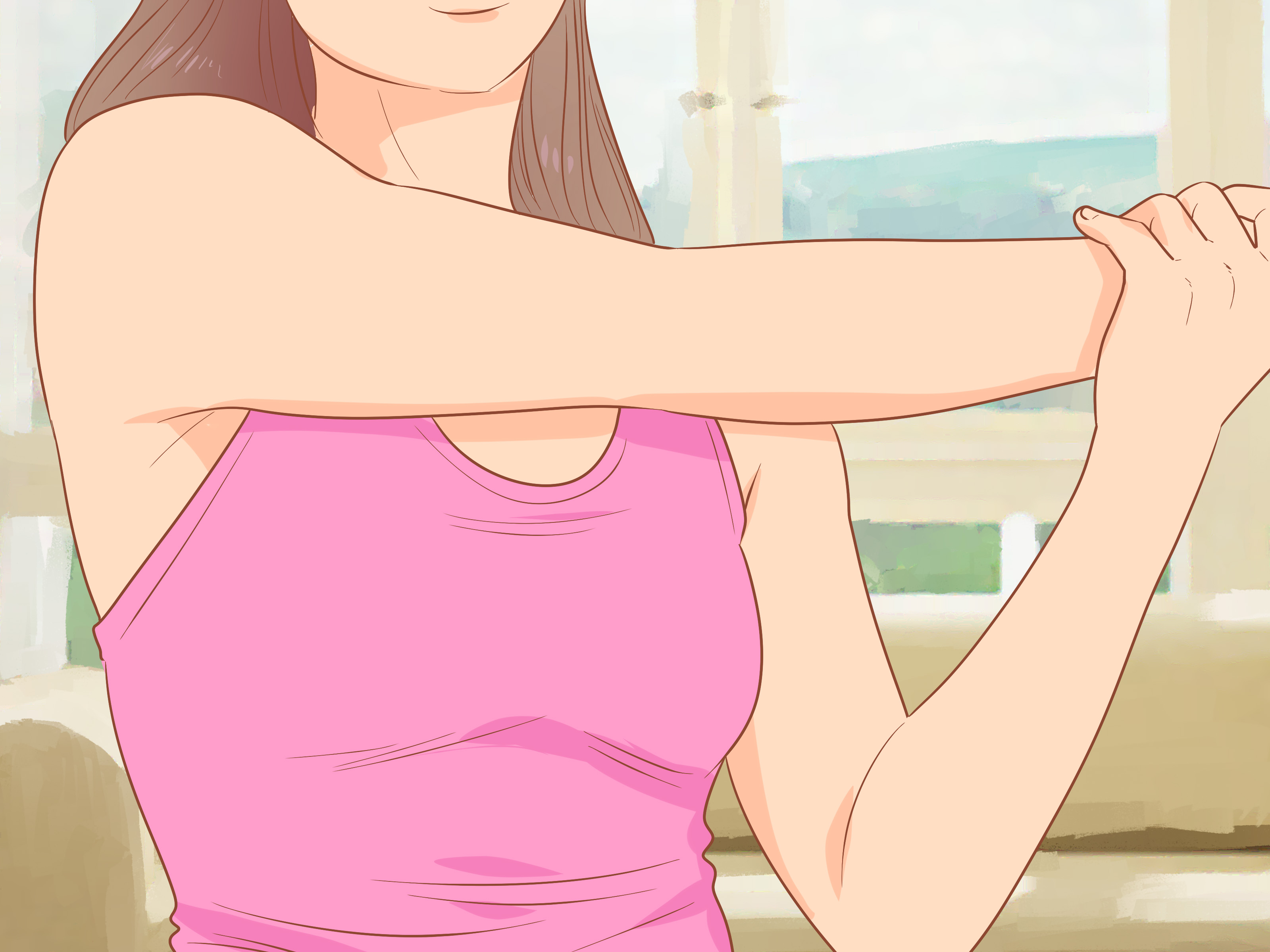
For upper-arm or shoulder tightness, a cross-body shoulder stretch may help: bring the sore arm gently across your chest and support it with the other arm. Do not yank. Your shoulder is not a stubborn lawn mower cord.
Strengthen only after pain improves
When daily movement is comfortable, gradually add strengthening. Start with light resistance bands, small hand weights, or bodyweight movements. Increase slowly. If soreness returns sharply or lasts longer than expected, back off.
For recurring shoulder, elbow, or wrist pain, physical therapy can be extremely helpful. A physical therapist can identify weak areas, movement patterns, posture issues, or overuse habits that keep irritating the arm. This is especially useful for tennis elbow, rotator cuff irritation, repetitive strain, and sports-related soreness.
Common Causes of a Sore Arm
Understanding the cause makes treatment easier. Here are common reasons your arm may be sore:
Exercise soreness
Delayed-onset muscle soreness can occur after a new workout, heavier lifting, or eccentric movements such as lowering a weight slowly. It often starts 12 to 24 hours after activity and may peak around the next day or two.
Muscle strain
A strain happens when muscle or tendon fibers are overstretched or irritated. It may cause pain, tenderness, weakness, or discomfort with movement.
Bruise or minor impact
Bumping your arm can injure small blood vessels under the skin, leading to soreness, discoloration, and tenderness.
Tendon irritation
Repetitive gripping, lifting, throwing, or typing can irritate tendons around the shoulder, elbow, or wrist. This may feel worse with specific movements.
Vaccine-related soreness
A sore arm after a vaccine is common and usually improves within a few days. A cool, damp cloth and gentle arm movement may help. Severe swelling, spreading redness, or symptoms that do not improve should be checked.
Nerve irritation
Tingling, numbness, burning, or shooting pain may suggest nerve involvement, especially if symptoms travel from the neck into the arm or hand.
When to See a Doctor for a Sore Arm
Many mild sore arms improve with home care, but some symptoms need medical attention. Get urgent help if arm pain comes with chest pressure, shortness of breath, sweating, nausea, jaw pain, back pain, or sudden severe pain. These symptoms may signal a heart-related emergency.
Seek prompt medical care if you notice an obvious deformity, a bone that appears out of place, severe swelling, inability to move the arm, major weakness, numbness, a deep wound, signs of infection, or pain after a fall or accident. Also call a healthcare professional if pain lasts more than several days without improvement, keeps returning, or interferes with sleep or daily tasks.
Practical Examples: What to Do Based on the Situation
If your arm hurts after lifting weights
Take a break from upper-body training for a day or two, use ice if the pain is fresh, and restart with lighter weights. Check your form. If one movement always causes pain, stop doing it until you know why.
If your arm hurts after typing all day
Take micro-breaks, relax your grip, keep wrists neutral, and adjust your workstation. Stretch the forearms gently. If symptoms include numbness or tingling, get evaluated.
If your arm hurts after a vaccine
Move the arm gently during the day, apply a cool cloth, and rest. Avoid intense shoulder workouts immediately after the shot if the area is sore.
If your arm hurts after sleeping awkwardly
Try gentle range-of-motion movements, warmth for stiffness, and better pillow support the next night. If pain travels with numbness or weakness, it may involve the neck or nerves and should be checked.
Extra Experience Section: Real-Life Lessons From Healing a Sore Arm
Anyone who has dealt with a sore arm knows the comedy starts when you realize how much you use that arm. Suddenly, brushing your hair feels like an Olympic event. Opening a jar becomes a personal betrayal. Putting on a jacket requires strategy, courage, and possibly a small support team.
One of the biggest lessons is that most people wait too long to rest. They feel a twinge during a workout, ignore it, finish three more sets, carry groceries, answer emails, cook dinner, and then wonder why the arm is angry. A sore arm often starts as a whisper. If you listen early, it may stay small. If you ignore it, the whisper may become a full marching band.
A helpful personal routine is the “pause and test” method. When the arm starts hurting, stop the activity and gently test basic movements. Can you bend the elbow? Rotate the wrist? Lift the arm comfortably? Grip without sharp pain? If everything moves normally but feels mildly sore, home care may be reasonable. If movement is limited, weak, unstable, or sharply painful, that is a sign to stop and consider medical advice.
Another useful experience is learning the difference between soreness and injury. Normal exercise soreness usually feels dull, even, and muscle-based. It may affect both arms if both were trained. Injury pain is more likely to be sharp, sudden, one-sided, or linked to a specific movement. It may come with swelling, bruising, weakness, or a “something is not right” feeling. That instinct matters.
For desk workers, sore arms often come from repetition rather than one dramatic incident. A mouse placed too far away can irritate the shoulder. Wrists bent upward while typing can strain the forearms. Holding a phone between the ear and shoulder can create neck and arm tension. The fix may be surprisingly boring: move the keyboard closer, keep elbows relaxed, take breaks, and stop gripping the mouse like it owes you money.
For gym-goers, ego is often the hidden injury machine. Adding too much weight too fast, skipping warmups, or copying advanced exercises from social media can overload the arm. A better approach is to increase intensity gradually, warm up with lighter sets, and respect technique. The strongest lifters are not the ones who train through every pain; they are the ones who stay healthy long enough to keep training.
For parents and caregivers, sore arms can come from lifting children, carrying bags, pushing strollers, or doing repetitive household tasks. Switching arms, using both hands, keeping loads close to the body, and taking short breaks can make a big difference. It may not feel heroic, but neither does being unable to lift a coffee cup the next morning.
The most underrated recovery habit is sleep. People often buy creams, wraps, massage tools, and supplements before asking the obvious question: “Did I sleep enough?” A tired body heals like a phone on 3% battery. Good sleep, hydration, and balanced meals are not glamorous, but they are reliable.
Finally, healing a sore arm teaches patience. Pain can improve in waves. One good day does not mean you should return to full activity immediately. Ease back in. Test the arm. Build gradually. Healing is not a race; it is more like convincing a grumpy cat to trust you again. Move slowly, be consistent, and do not make sudden decisions.
Conclusion
A sore arm is common, but it deserves attention. The four best starting points are simple: rest the arm wisely, use ice or heat at the right time, manage pain safely, and return to movement gradually. For many mild aches, this approach can reduce discomfort and support healing. For severe, unusual, or persistent pain, medical care is the smarter move.
Your arm does a lot for youlifting, typing, hugging, cooking, waving, carrying, reaching, and occasionally helping you make questionable DIY decisions. Treat it with patience, and it will usually return the favor.