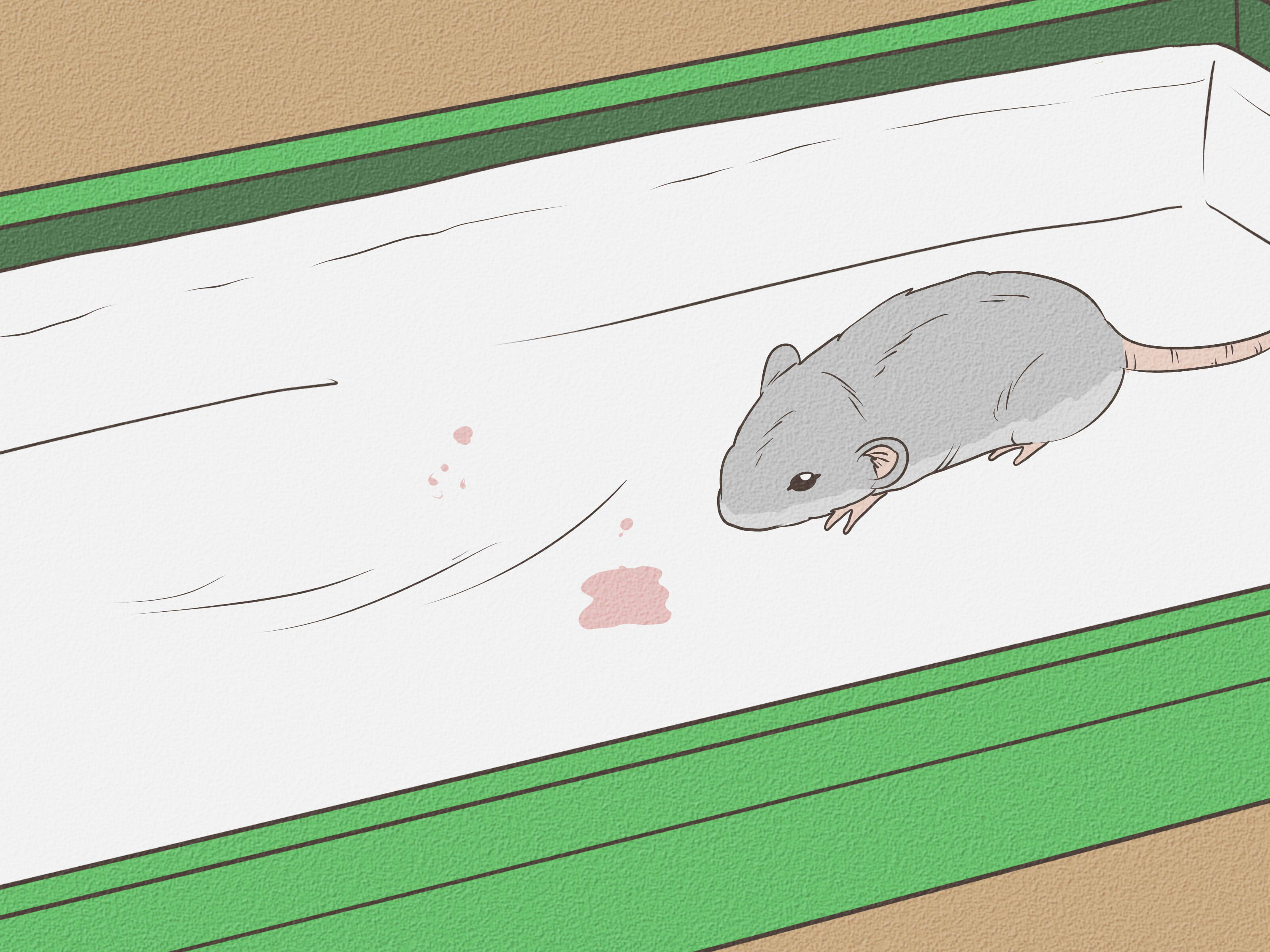
Learning how to sex a rat from birth is one of those tiny-animal skills that looks mysterious until you know what to look for. Newborn rat pups are small, squirmy, pink, and built like jelly beans with opinions, so it is completely normal to feel unsure the first time you check a litter. The good news is that rat sexing is not guesswork. From the first day, the most useful clue is the distance between the anus and the genital opening, also called the anogenital distance. In males, that space is noticeably longer. In females, it is shorter and more compact.
Accurate sexing matters for practical reasons. It helps breeders, rescuers, veterinarians, and pet owners track litter development, prevent accidental pregnancies, plan housing, and monitor health. It also prevents the classic “I thought they were all girls” surprise, which is adorable for about four seconds and then becomes a housing logistics problem with whiskers.
This guide explains the process in 11 clear steps, from safely handling newborn pups to confirming their sex as they grow. It is written for responsible pet care, not as a breeding manual. When in doubt, ask an exotic-animal veterinarian, an experienced rat breeder, or a trained small-animal rescuer to confirm your observations.
Before You Start: What Rat Sexing Actually Means
To “sex” a rat means to identify whether the rat is male or female based on visible physical traits. With adult rats, this is usually easy. Adult males typically have obvious testes, while females have nipples and a closer anogenital distance. With newborns, the difference is subtler, so comparison is everything. Looking at one pup alone can be confusing. Looking at the whole litter side by side makes the pattern much clearer.
For newborn pups, the main clue is anogenital distance. Male pups have more space between the anus and the genital opening. Female pups have less space, and the two openings appear closer together. As pups age, additional signs become easier to see. Female nipples usually become visible after the first week, while male testicles become more noticeable later, often several weeks after birth.
What You Need
You do not need fancy equipment to sex newborn rats, but a calm setup helps. Prepare a clean towel, bright natural light or a small lamp, warm hands, and a notebook or phone note for recording your observations. A magnifying glass can help if your eyesight is not feeling heroic. Avoid cold surfaces, loud noises, and long handling sessions. Newborn rats cannot regulate body temperature well, so speed and gentleness matter.
Also pay attention to the mother rat. Many healthy, well-socialized mothers tolerate short handling, especially if they trust you. Others become protective. If the mother is stressed, give her space and try again later. The goal is to check the pups without turning the nursery into a rodent soap opera.
How to Sex a Rat from Birth: 11 Steps
Step 1: Wait for a Calm Moment
Choose a time when the mother rat is relaxed, eating, or calmly away from the nest. Do not rush into the cage immediately after birth if the mother seems nervous. Stress can interfere with normal maternal behavior, and newborn pups need warmth and quiet. If the mother is settled and comfortable with you, brief handling is usually easier.
Wash your hands with unscented soap and dry them well. Strong perfumes, food smells, or chemical scents can bother rats. Warm your hands before touching the pups. Cold fingers are not exactly a five-star newborn experience.
Step 2: Handle One Pup at a Time
Pick up one pup gently and keep the handling session short. Support the body carefully instead of dangling the pup. Newborn rats are delicate, and they wiggle more than their size suggests. Hold the pup low over a towel or soft surface so there is no risk of a fall.
If you are checking several pups, move calmly and return each one to the nest quickly. You can place pups in a warm, towel-lined container for a very short time while you compare them, but they should not be away from their mother for long.
Step 3: Look at the Underside
Turn the pup gently enough to view the underside, especially the area near the tail. You are looking for two points: the anus, which is closest to the tail, and the genital opening, which is farther up toward the belly. The distance between these two points is the key feature.
Do not squeeze the abdomen, pull the tail hard, or press on the genital area. You only need to look. Newborn sexing is a visual comparison, not a wrestling match with a raisin-sized mammal.
Step 4: Compare Anogenital Distance
Now compare the spacing. In male pups, the genital opening sits farther away from the anus. The gap may look roughly twice as long as the gap seen in females. In female pups, the two openings are closer together, giving the area a more compact appearance.
The easiest method is to compare littermates of the same age. Line up two or three pups briefly on a warm towel and look for the pattern. Usually, after checking several, you will notice that some pups have a longer gap and others have a shorter gap. That contrast is more reliable than judging one pup in isolation.
Step 5: Notice the Shape of the Area
Distance is the main clue, but shape helps too. A male pup may show a slightly more pronounced genital bump, and the space between the openings may appear longer and smoother. A female pup usually has a shorter distance, and as she grows, the area may show a more defined line or second opening below the urethral opening.
Do not expect newborn pups to look like adults. At birth, the signs are small. Your job is to identify patterns, not force certainty from a blurry two-second glance.
Step 6: Mark or Record Your First Guess
Once you make a first guess, write it down. You can record each pup by color, markings, size, or temporary identification notes. For example: “dark hooded pup, likely male” or “small beige pup, likely female.” If the pups look similar, a safe temporary marking method may be needed, but only use methods recommended by experienced rat caregivers or veterinarians.
Keep your notes flexible. With newborn rats, the first check is often a strong estimate, not a royal decree. Plan to recheck as the pups grow.
Step 7: Recheck at 5 to 7 Days
After several days, the pups are larger and easier to examine. The anogenital distance becomes easier to compare, especially when you look at the litter as a group. Rechecking helps catch early mistakes.
This is also a good time to update your notes. If one pup you labeled as female now clearly has the longer male spacing, change the record. No shame. Newborn rats are tiny, and they do not come with convenient name tags.
Step 8: Check for Nipples Around 8 to 14 Days
As female pups develop, nipples become visible before the fur fully covers the belly. Female rats usually have multiple pairs of nipples along the underside. Male rats do not have visible nipples. This makes the second week a helpful confirmation window.
Look gently along the belly for tiny pale dots or lines where nipples are developing. This sign is especially useful before the coat becomes too thick. Once fur grows in, nipples can be harder to see, so timing helps.
Step 9: Watch for Male Development Later
Male rats become easier to identify as they age. The testes are not usually obvious in newborns and may not be clearly visible until several weeks later. In older male pups, the rear area may become fuller, and the sex difference becomes much easier to confirm.
Keep in mind that male rats can retract their testes, especially when stressed or cold. That means “I do not see testes right now” is not always enough to confirm a rat is female. Use multiple signs: anogenital distance, nipple presence, and age-appropriate development.
Step 10: Separate by Sex Before Accidental Breeding Is Possible
Responsible sexing is not just about curiosity. Young rats should be separated by sex before they are capable of reproducing. Many caretakers separate males from females around five weeks of age, while also considering the pups’ health, size, and weaning status. If you are unsure, ask a veterinarian or experienced rat breeder to check the litter before separation.
Do not rely on personality, size, or boldness to determine sex. Males are not always lazier, females are not always busier, and every litter contains at least one pup determined to ruin your stereotypes.
Step 11: Confirm with an Expert if Anything Looks Unclear
If you are not completely sure, get help. A small-animal veterinarian, rat rescue worker, or experienced breeder can often confirm sex quickly. This is especially important if you are placing pups in new homes, separating cages, or caring for an unexpected litter.
Mis-sexing can lead to accidental pregnancies, fighting, overcrowding, and stressful rehoming situations. A second opinion is not overkill; it is good animal care.
Male vs. Female Rat Pups: Quick Comparison
| Feature | Male Rat Pup | Female Rat Pup |
|---|---|---|
| Anogenital distance | Longer; often about twice the female distance | Shorter; openings appear closer together |
| Nipples | Not visible | Visible around the second week before fur thickens |
| Genital area | May appear more spaced out or slightly raised | More compact; may show a developing line or second opening as she grows |
| Later development | Testes become more noticeable after several weeks | Nipples remain the clearest visible marker |
Common Mistakes When Sexing Baby Rats
Judging One Pup Alone
The biggest mistake is trying to sex one newborn without comparison. The difference between “short” and “long” anogenital distance is much easier to see when you compare several pups from the same litter.
Waiting Too Long to Check Nipples
Nipples are easiest to see before the belly is covered in thicker fur. If you wait too long, you may miss that helpful confirmation stage.
Assuming Testes Must Be Visible
Newborn and very young males may not show obvious testes. Even older males can retract them. Use anogenital distance first, then confirm with other signs as the pups grow.
Handling Pups for Too Long
Short checks are safer and less stressful. Keep the pups warm, return them quickly, and avoid unnecessary repeated handling.
Why Correct Sexing Matters
Correct sexing protects the health of the litter and prevents preventable problems. Rats can mature quickly, and mixed-sex housing becomes risky as pups approach juvenile age. Accidental pregnancies can be hard on young females, create overcrowding, and put pressure on owners who may not have enough cages, time, or homes lined up.
Sexing also helps with social planning. Rats are social animals and usually do best with same-sex companions or carefully managed groups. Knowing who is male and who is female allows caretakers to plan cage groups before tension or breeding risk begins.
Experience-Based Tips for Sexing Rats from Birth
One of the most useful experiences when learning how to sex a rat from birth is realizing that confidence comes from comparison, not from staring harder. Many beginners pick up the first pup, look underneath, and think, “Well, that is definitely… a baby rat.” That is normal. The visual difference becomes clearer when you examine several pups in one short session. Put two pups side by side on a warm towel, look at the spacing, and the pattern often appears like someone adjusted the zoom button in your brain.
Another practical tip is to check the litter more than once. A first-day check gives you an early idea, but a second check around one week and another during the second week can confirm your notes. This layered approach is much more reliable than making one dramatic announcement on day one and defending it forever like a courtroom lawyer.
Lighting makes a huge difference. Soft daylight or a bright lamp can help you see the tiny openings clearly. Shadows can make the area look distorted, especially on darker-skinned or pigmented pups. If you are squinting, reposition the light instead of handling the pup longer.
It also helps to develop a calm routine. Wash your hands, warm them, prepare the towel, check one pup, write down the observation, and return the pup. Repeating the same process keeps you from rushing. It also keeps the mother rat calmer because you are not hovering around the nest like a nervous helicopter.
Experienced caretakers often say that the females become easier to confirm once nipples appear. During the second week, before fur gets too thick, female pups may show tiny nipple spots along the belly. This is one of the most satisfying confirmation moments because it gives you another clue besides spacing. If a pup has the shorter anogenital distance and visible nipples, you can be much more confident she is female.
For males, patience is important. Do not expect newborn males to display adult features. Early male identification is mostly about longer anogenital distance. Later, the body shape and rear development make the answer more obvious. Until then, keep checking gently and comparing with littermates.
A helpful habit is to label your notes with “likely male” or “likely female” instead of using absolute labels too early. This prevents confusion if you need to correct a guess later. Good animal care is not about being magically perfect on the first try; it is about observing carefully and updating when better evidence appears.
Finally, remember that responsible sexing is part of responsible placement. Before pups go to new homes or move into separate cages, confirm the sex again. If possible, have an experienced person check your work. A quick second opinion can prevent accidental mixed-sex pairs, surprise litters, and the kind of math problem where two rats become twelve rats and your spare cage supply starts crying quietly in the corner.
Conclusion
Sexing a rat from birth is a careful, gentle process built around one main observation: males have a longer anogenital distance, while females have a shorter one. As pups grow, nipple visibility in females and later male development make confirmation easier. The best approach is to handle pups briefly, compare littermates, take notes, recheck at key stages, and ask an expert when uncertain.
Whether you are caring for an accidental litter, helping a rescue, or learning responsible rat care, accuracy matters. It keeps pups safe, prevents surprise pregnancies, and helps every young rat move into the right social group. Tiny pups may not make the job easy, but with patience, warm hands, and a good eye for spacing, you can learn to sex baby rats confidently and kindly.
Note: This article is for general educational pet-care guidance. If a pup appears injured, cold, weak, rejected, or difficult to identify, consult an exotic-animal veterinarian or experienced rat rescue as soon as possible.