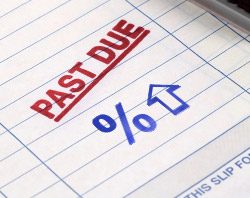
One late payment may look harmless at first. Maybe you were traveling, your paycheck hit a day late, your autopay failed, or life simply threw a banana peel under your financial shoes. Then, a few weeks later, your credit score drops like it just saw a ghost. Suddenly, that tiny missed due date is not tiny anymore. It is standing in the middle of your financial life wearing a villain cape.
The truth is simple: paying on time is one of the most powerful habits in personal finance. Your payment history is a major part of your credit score, and lenders pay close attention to whether you keep your promises. A single payment that becomes 30 days late can show up on your credit reports, damage your score, and make future borrowing more expensive. That can affect credit cards, car loans, mortgages, apartment applications, insurance pricing, and sometimes even utility deposits.
This does not mean one mistake ruins your life forever. Credit scores can recover. Negative marks age. Good habits rebuild trust. But it does mean late payments deserve respect. Think of your due date like a financial smoke alarm: ignore it long enough, and the situation gets loud fast.
Why Payment History Matters So Much
Credit scoring models are designed to predict risk. Lenders want to know one thing before they approve you: are you likely to pay them back as agreed? Payment history answers that question better than almost anything else. If you have a long record of paying bills on time, lenders see consistency. If your report shows missed payments, collections, charge-offs, or repeated delinquencies, lenders see warning signs.
In FICO scoring, payment history accounts for about 35% of your score, making it the largest single factor. That is why one late payment can hurt more than people expect. It is not just a small clerical note. It is evidence, at least in the eyes of the scoring model, that a borrower did not meet an obligation on schedule.
The effect depends on your overall credit profile. Someone with a high score and a spotless payment record may see a sharper drop from one new late payment than someone whose score is already lower and has older negative marks. It sounds unfair, but scoring models often react strongly when a clean record suddenly shows risk. In other words, the better your credit is, the more dramatic one mistake may feel.
What Counts as a Late Payment?
There are two versions of “late,” and confusing them causes panic. First, there is late according to your lender. If your credit card bill is due on the 10th and you pay on the 12th, the lender may charge a late fee. You may lose a grace period. Your account may become inconvenient, annoying, and expensive. However, that does not automatically mean the late payment appears on your credit report.
The second version is late according to the credit bureaus. In many cases, a payment is not reported as late to Equifax, Experian, or TransUnion until it is at least 30 days past due. That 30-day mark is the danger zone. Once a lender reports the account as 30 days late, the damage can become visible on your credit report and reflected in your credit score.
After that, the seriousness increases. A 60-day late payment is worse than a 30-day late payment. A 90-day late payment is worse than 60. At 120 days or more, the account may be heading toward charge-off, collections, repossession, foreclosure, or other major consequences depending on the type of debt. Credit scoring models care about severity, frequency, and recency. The later the payment, the more painful it can become.
How One Late Payment Can Hurt Your Credit Score
A late payment can damage your credit score because it sends a negative signal in the most important category of scoring: whether you pay as promised. The exact point drop varies. There is no universal number because credit scores are calculated using many details, including your current score, account age, utilization, number of accounts, previous delinquencies, and the scoring model used.
For example, imagine two borrowers. Borrower A has a 790 score, low balances, and no missed payments in ten years. Borrower B has a 640 score, several older late payments, and high credit card balances. If both receive a new 30-day late mark, Borrower A may see a larger point drop because the late payment disrupts an otherwise excellent record. Borrower B may still lose points, but the model has already priced in some risk.
This is why people sometimes say, “I missed one payment and my score fell by 80 points.” That can happen, especially when the person had strong credit before the mistake. The score is not being dramatic for entertainment, although it certainly feels like it. It is reacting to new risk information.
How Long Does a Late Payment Stay on Your Credit Report?
A reported late payment can remain on your credit report for up to seven years from the original delinquency date. That sounds scary, but there is an important detail: the impact usually fades over time, especially if you bring the account current and continue paying everything on time.
Credit scoring models generally care more about recent behavior than ancient history. A 30-day late payment from last month hurts far more than one from five years ago, assuming the rest of your credit behavior has improved. Time is not magic, but it is medicine. The older the negative mark becomes, the less influence it usually has.
Still, seven years is a long time for one avoidable mistake to sit on your reports. That is why prevention matters. Paying on time is not just about avoiding a $30 or $40 late fee. It is about protecting years of financial flexibility.
The Hidden Costs of Paying Late
Higher Interest Rates
A lower credit score can make borrowing more expensive. If you apply for a car loan, personal loan, credit card, or mortgage after a late payment damages your score, lenders may offer a higher interest rate. That higher rate can cost hundreds or thousands of dollars over time. A late payment may be a one-time event, but the interest cost can keep sending you little financial postcards for years.
Lost Credit Card Perks
Some credit card issuers may reduce your credit limit, revoke promotional rates, or apply a penalty APR after late payments. A penalty APR can make carrying a balance painfully expensive. Even if the issuer does not report the payment immediately, the account-level consequences can still sting.
Loan Approval Problems
Lenders do not only look at your score. They also review the details on your credit report. A recent late payment can make an underwriter nervous, especially for a mortgage. Even if your score remains acceptable, a lender may ask for explanations, require stronger documentation, or offer less favorable terms.
Apartment and Utility Deposits
Credit can affect more than loans. Landlords may check credit before approving a rental application. Utility companies may require deposits if your credit history suggests higher risk. One late payment may not block every application, but it can create friction where you least want it.
Why “Only the Minimum Payment” Still Counts
Here is some good news: you do not have to pay your full credit card balance by the due date to avoid a late payment. You generally need to make at least the minimum payment on time. Paying the full statement balance is best because it helps you avoid interest, but paying the minimum by the due date protects your payment history.
For example, if your statement balance is $900 and your minimum payment is $35, paying $35 on time prevents the account from becoming late. Is paying only the minimum a brilliant long-term wealth strategy? Not exactly. It can lead to interest charges and slow debt payoff. But if your choice is minimum payment on time or full payment late, choose on-time first. Your credit score would rather see punctuality than perfection arriving 32 days late with flowers and an apology.
What to Do If You Miss a Payment
Pay Immediately
The moment you realize you missed a payment, pay it. Do not wait for the next cycle. Do not negotiate with your guilt. Pay the minimum at least, then pay more if you can. The faster you act, the better your chances of avoiding credit reporting damage if you are still within the first 30 days.
Call the Lender
If this is your first mistake, call the lender politely. Ask whether they can waive the late fee or help keep the account in good standing. There is no guarantee, but many lenders have hardship options, fee-waiver policies, or customer service flexibility. Be honest, calm, and specific. “I forgot” is not glamorous, but it is better than disappearing.
Check Whether It Was Reported
After you bring the account current, monitor your credit reports. If the late payment appears and it is accurate, it may remain. If it appears inaccurately, dispute it with the credit bureau and the company that furnished the information. Keep proof such as bank confirmations, payment receipts, emails, and account statements.
Do Not Ignore Repeated Misses
If you missed one payment because of a calendar mistake, fix the system. If you missed it because you do not have enough money, fix the budget. Repeated missed payments are much more damaging than one isolated error. If your cash flow is tight, contact lenders before accounts fall behind. Some may offer hardship plans, due date changes, or temporary relief options.
How to Prevent Late Payments Forever
Set Up Autopay for at Least the Minimum
Autopay is one of the easiest ways to protect your credit score. Set automatic payments for at least the minimum amount due on every credit card and loan. You can still make extra manual payments, but autopay acts like a safety net. It catches you when your brain decides to take a vacation without submitting a request form.
Use Calendar Reminders
Add due dates to your phone calendar. Set reminders five days before, two days before, and on the due date. If you have multiple accounts, create a monthly “money checkup” reminder. This gives you time to review balances, confirm autopay, and catch surprises.
Change Due Dates
Many lenders allow you to change your due date. If your bills are scattered across the month like confetti after a parade, move them closer to payday or group them into one manageable week. A convenient due date is easier to remember and easier to fund.
Keep a Bill-Pay Buffer
A small checking account buffer can prevent accidental overdrafts and failed autopay. Even $100 to $300 can help if your payment drafts a day before your paycheck arrives. The goal is not to become a billionaire by Tuesday. The goal is to stop timing issues from becoming credit issues.
Review Statements Weekly
Spend ten minutes each week reviewing bank and credit card accounts. Look for upcoming due dates, unusual charges, autopay status, and balance changes. This habit is boring in the same way brushing your teeth is boring. Boring is beautiful when it prevents expensive problems.
What If the Late Payment Is Wrong?
Credit reports are important, but they are not perfect. If you see a late payment that you believe is inaccurate, you have the right to dispute it. Start by gathering evidence. Useful documents may include payment confirmations, bank records, account statements, emails from the lender, or screenshots showing the payment date.
Then file a dispute with the credit bureau reporting the error. You can also dispute directly with the lender or company that furnished the information. Explain clearly what is wrong and include copies of supporting documents. Keep records of everything you send. After the investigation, review your credit report again to confirm the correction was made if your dispute succeeds.
Do not dispute accurate information just because it is inconvenient. That wastes time and may not help. But do challenge errors. An inaccurate late payment can unfairly lower your score, and correcting it can make a meaningful difference.
Can You Remove an Accurate Late Payment?
Accurate late payments are difficult to remove. Credit bureaus are supposed to report accurate information. However, you may still have a few options. If the late payment was due to a rare mistake and you have otherwise been a strong customer, you can ask the lender for a goodwill adjustment. This is a polite request asking the lender to remove the late mark as a courtesy.
A goodwill request is not a legal right, and lenders do not have to approve it. Still, it may be worth trying, especially if the payment was only 30 days late, quickly corrected, and not part of a pattern. Your message should be brief, respectful, and honest. Explain what happened, show that the account is current, and mention your positive history.
If the lender says no, keep paying on time. The late payment will age, and your recent positive history can gradually reduce its impact. Credit repair is often less like flipping a switch and more like watering a plant. You do not see the roots growing every day, but steady care matters.
How Late Payments Affect Different Types of Debt
Credit Cards
Credit cards are among the easiest bills to forget because balances change monthly and due dates can sneak up. A missed credit card payment can lead to a late fee, interest charges, penalty APR, and eventually credit reporting if it reaches 30 days past due. Because credit cards also affect credit utilization, carrying high balances while paying late can create a double hit.
Auto Loans
Late auto loan payments can hurt your credit and may eventually put the vehicle at risk. Lenders may report delinquencies, charge fees, and pursue repossession after serious default. If you are struggling, contact the lender before the payment becomes severely overdue. Silence rarely improves a car loan problem.
Mortgages
Mortgage late payments can be especially serious because home loans are large and heavily reviewed by future lenders. A recent mortgage delinquency may make refinancing or buying another home more difficult. If you cannot pay, contact your loan servicer quickly to ask about hardship options.
Student Loans and Personal Loans
Installment loans can also report late payments. The timeline and consequences vary by lender and loan type, but the general rule remains: pay on time, communicate early, and avoid letting one missed payment turn into a chain reaction.
Credit Recovery After a Late Payment
If a late payment has already hit your report, focus on what you can control. Bring the account current. Keep every future payment on time. Lower credit card balances if possible. Avoid unnecessary new credit applications while your score is recovering. Check your reports for errors. Over time, these actions can help rebuild your score.
Recovery is not always immediate. Credit scoring rewards consistency. The first few months after a late payment may feel frustrating because the mark is fresh. But six months, twelve months, and twenty-four months of clean behavior can matter. Lenders like to see that a mistake was isolated, not the beginning of a pattern.
Specific Example: The $25 Mistake That Became Expensive
Imagine a person named Jordan with a 760 credit score. Jordan has one rewards credit card with a $25 minimum payment due on May 10. The statement email goes unread because it lands between a pizza coupon and a suspicious message from a “prince” with terrible grammar. Jordan forgets. On June 12, the account is more than 30 days late.
The issuer reports a 30-day late payment. Jordan pays immediately, but the score drops. Two months later, Jordan applies for an auto loan. Because the score is lower and the late payment is recent, the offered interest rate is higher. That tiny missed minimum payment now affects the cost of a car loan. The original mistake was $25. The real cost may be much larger.
This example is not meant to scare you into hiding under a blanket with your bank statements. It is meant to show why systems matter. Autopay, reminders, and weekly account checks are not fancy. They are financial seat belts.
Personal Experiences and Practical Lessons: Always Pay On Time
Many people learn the importance of on-time payments the uncomfortable way. The story usually starts with something ordinary: a busy week, a new job, a move, a family emergency, a changed debit card, or a bill notification that got buried. Nobody wakes up excited to damage their credit score. Late payments usually happen because life gets noisy and the bill gets quiet.
One common experience is the failed autopay surprise. A person sets up automatic payments and feels responsible. Then their debit card expires, their bank account changes, or the payment method is removed after a fraud alert. The person assumes everything is fine until a late notice appears. The lesson is clear: autopay is excellent, but it is not a “set it and forget it forever” machine. Review autopay settings monthly, especially after replacing cards or switching banks.
Another real-world lesson involves due dates that do not match paydays. Someone may have a credit card due on the 9th but get paid on the 15th. They intend to pay after payday, but by then the account is already late. This is not always a spending problem; sometimes it is a calendar design problem. Changing due dates can reduce stress and make payments easier to manage. A bill due two days after payday is much safer than one due five days before payday.
People also underestimate small minimum payments. A $28 minimum payment feels too small to matter, so it gets mentally pushed aside. But credit scoring does not laugh and say, “No worries, it was only twenty-eight bucks.” A missed minimum can still become a reported late payment if it remains unpaid long enough. The amount matters less than the broken promise. That is why paying the minimum on time is the emergency move, even when you plan to pay more later.
A useful habit is the weekly money appointment. Choose one day, such as Sunday evening or Monday morning, and review every account. Check due dates, pending payments, balances, and available cash. This does not need to be dramatic. No candlelight. No spreadsheet ceremony. Ten minutes is enough. The goal is to catch problems while they are still small. A bill caught five days before the due date is a task. A bill discovered 35 days late is a headache with paperwork.
Another smart experience-based rule is to keep a “minimum payment fund.” This is a small cash buffer reserved only for required monthly debt payments. Even if money gets tight, the minimums are covered. This protects your credit while you handle the bigger budget issue. It is not a replacement for emergency savings, but it can prevent one rough month from becoming a seven-year credit report mark.
If you share finances with a spouse, partner, parent, or roommate, clarify who pays what. Many late payments happen because two people both think the other person handled the bill. That is not teamwork; that is financial hot potato. Use a shared calendar, a bill tracker, or one assigned bill captain. The system should be so clear that even a tired person on a Monday can understand it.
The biggest lesson is emotional: do not avoid bills because you feel embarrassed. If you missed a payment, open the app, read the notice, pay what you can, and call the lender. Avoidance turns small problems into large ones. Financial confidence is not about never making mistakes. It is about responding quickly when mistakes happen.
Paying on time may not feel exciting. Nobody throws a parade because you paid your credit card before 5 p.m. But behind the scenes, every on-time payment builds a reputation. Month by month, you are telling future lenders, landlords, and financial institutions, “I keep my promises.” That reputation is valuable. Protect it like it matters, because it does.
Conclusion: Your Due Date Is a Credit Score Bodyguard
One late payment can seriously hurt your credit score because payment history is the most important scoring factor. A payment that becomes 30 days late may be reported to the credit bureaus, remain on your credit report for years, and make borrowing more expensive. The good news is that late payments are preventable with simple systems: autopay, reminders, due date changes, account reviews, and a small cash buffer.
If you already missed a payment, act fast. Pay immediately, contact the lender, check your credit reports, and dispute any inaccurate information. Then rebuild with consistent on-time payments. Credit recovery takes patience, but every clean month helps.
Always pay on time. It is not just a nice financial habit. It is one of the strongest ways to protect your credit score, save money, and keep future opportunities open.