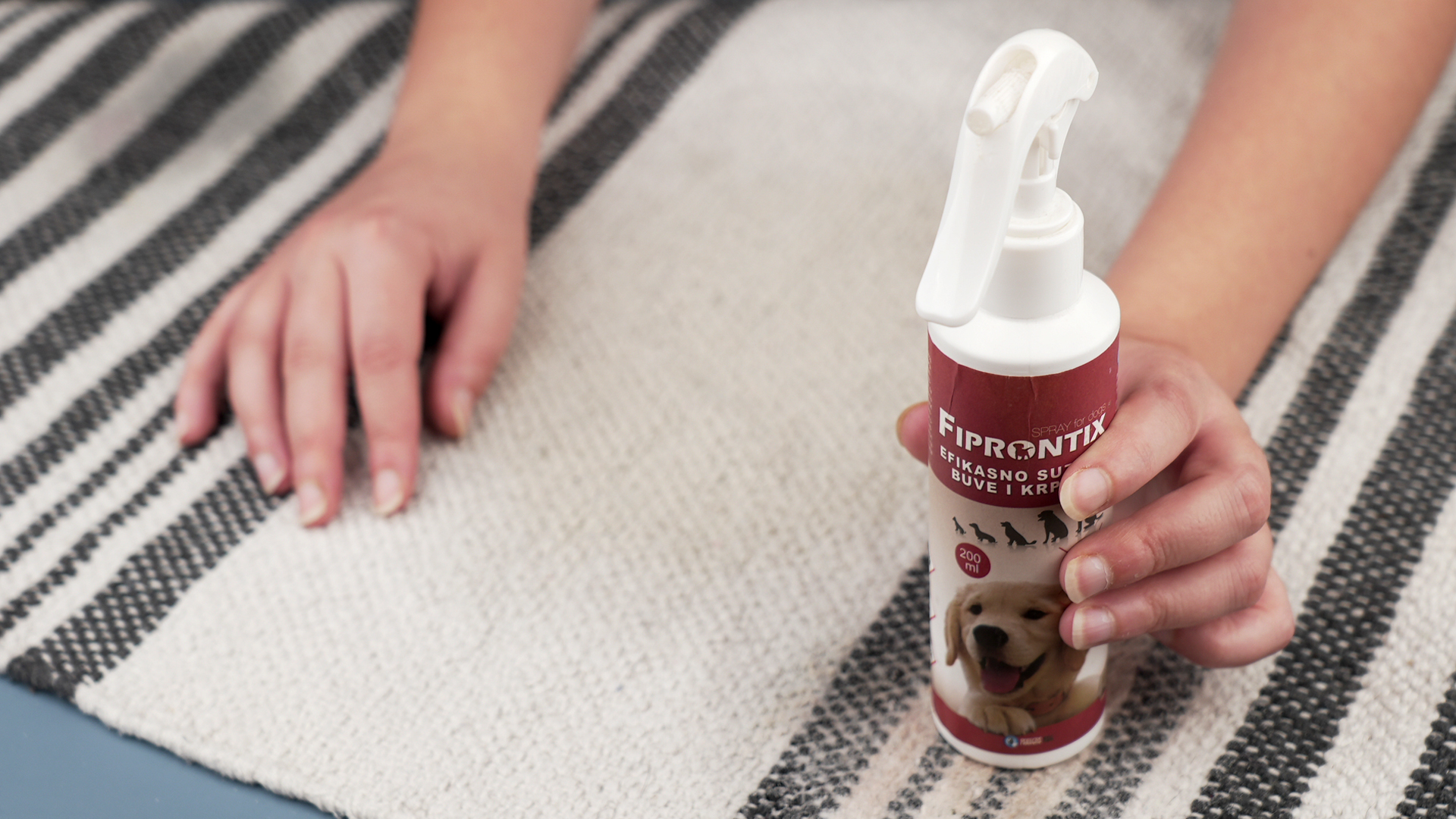
So, your carpet looks like it has survived a birthday party, a muddy dog parade, and one suspiciously enthusiastic coffee spillbut you do not own a carpet cleaner. Good news: you do not have to sprint to the store, rent a machine, or pretend the stain is “part of the design.” Learning how to clean carpet without a carpet cleaner is completely possible with a vacuum, a few household supplies, patience, and the emotional strength to blot instead of scrub.
A carpet cleaning machine is useful for deep extraction, especially when a whole room needs professional-level cleaning. But for everyday dirt, odors, small stains, flattened traffic lanes, and general freshness, you can get impressive results by hand. The secret is not one magical TikTok potion. It is a smart process: remove dry soil first, treat stains gently, use as little moisture as possible, rinse away residue, and dry the area thoroughly.
This guide walks you through practical, safe, and budget-friendly ways to clean carpet without a machine. We will cover baking soda, vinegar, dish soap, stain-specific tricks, drying methods, common mistakes, and the kind of real-life experience that only comes from kneeling on a towel at 10:37 p.m. after someone drops salsa on beige carpet. Let’s rescue those fibers.
Can You Really Clean Carpet Without a Carpet Cleaner?
Yes, you can clean carpet without a carpet cleaner, especially if your goal is to remove surface dirt, deodorize fibers, spot-treat stains, or freshen high-traffic areas. The key is to adjust expectations. A hand-cleaning method will not extract deeply embedded grime from the carpet backing the same way a hot-water extraction machine can. However, it can make your carpet look cleaner, smell fresher, and feel less crunchy underfootwhich is a victory worth celebrating.
Think of manual carpet cleaning like giving your carpet a careful sponge bath rather than a full spa day. You are targeting the visible mess, lifting dirt from the fibers, and preventing stains from becoming permanent roommates. For homes with pets, kids, renters, or snack-loving adults who treat the living room like a movie theater, these methods can save money and extend the time between professional cleanings.
Supplies You Need to Clean Carpet by Hand
You do not need a fancy supply closet. In fact, too many products can make carpet cleaning worse because leftover soap and sticky residue attract more dirt. Start simple.
Basic Carpet Cleaning Kit
- Vacuum cleaner
- Baking soda
- Table salt
- Distilled white vinegar
- Clear liquid dish soap
- Warm and cold water
- Spray bottle
- Soft-bristle brush
- Microfiber cloths or white towels
- Bucket or bowl
- Fan for drying
- Optional: 3% hydrogen peroxide for certain stains
- Optional: enzyme cleaner for pet accidents
Use white towels whenever possible. Colored towels can bleed dye onto damp carpet, and nobody wants to create a new stain while solving an old one. Also, avoid heavy soaking. Carpet is not pasta. It does not need to be boiled, drowned, or emotionally overwhelmed.
Before You Start: Three Rules That Save Your Carpet
1. Vacuum First, Always
Vacuuming before wet cleaning is non-negotiable. Dry soil acts like tiny sandpaper inside carpet fibers. If you add liquid before removing loose dirt, you can turn dust into mud and push it deeper. Vacuum slowly in overlapping passes, especially in entryways, hallways, around sofas, and anywhere people mysteriously hover while eating chips.
2. Blot, Do Not Rub
Rubbing spreads stains and can distort carpet fibers. Blotting lifts moisture and stain particles upward. Work from the outside of a stain toward the center so the mess does not expand into a modern art piece.
3. Test Every Cleaning Solution
Before using vinegar, hydrogen peroxide, dish soap, or any commercial spot cleaner, test it in a hidden area. Apply a small amount, wait several minutes, and blot with a white cloth. If you see color transfer, fading, or fiber damage, stop. This is especially important for wool, silk, jute, antique rugs, and any carpet with unknown fiber content.
Method 1: Freshen Carpet with Baking Soda
If your carpet smells stale but does not have major stains, baking soda is the easiest place to begin. It helps absorb odors and moisture, making it useful for bedrooms, living rooms, closets, and areas where pets nap like they pay rent.
How to Do It
- Vacuum the carpet thoroughly.
- Sprinkle a light, even layer of baking soda over the carpet.
- Let it sit for at least 30 minutes. For stronger odors, leave it for several hours or overnight.
- Vacuum slowly to remove all powder.
Do not dump piles of baking soda onto the carpet. More is not always better. A heavy layer can be hard to vacuum and may clog some vacuum filters. A light dusting works best. For extra freshness, open a window while the baking soda sits, unless outdoor pollen is staging a full invasion.
Method 2: Clean High-Traffic Areas with Baking Soda, Salt, and Water
For dull, matted, high-traffic areas, a mixture of baking soda and salt can help loosen surface soil. Salt adds gentle abrasion, while baking soda helps with odor. This method works well for small zones, not an entire mansion-sized carpeted ballroom.
Step-by-Step Instructions
- Mix equal parts baking soda and table salt in a bowl.
- Sprinkle the mixture over the dirty area.
- Lightly mist the area with water using a spray bottle. The carpet should be damp, not wet.
- Use a soft-bristle brush to work the mixture gently into the fibers.
- Blot with clean towels to lift loosened dirt.
- Let the area dry completely.
- Vacuum thoroughly to remove remaining powder.
This is a good weekend refresh for hallway paths, the space in front of the couch, or that one spot where everyone stands while deciding what to watch. If the carpet still looks dingy after drying, repeat once rather than soaking it more aggressively.
Method 3: Clean Carpet with Vinegar and Water
White vinegar is a popular homemade carpet cleaner because it can help break down light grime and neutralize odors. The smell disappears as it dries, though your room may temporarily smell like a salad with responsibilities.
Simple Vinegar Carpet Spray
Mix one part distilled white vinegar with three parts cold water in a spray bottle. Lightly mist a small carpet section, let it sit for a few minutes, and blot with a clean microfiber cloth. Repeat in small areas until the carpet looks fresher. Avoid oversaturating the fibers, especially over wood floors or in rooms with poor ventilation.
After cleaning, blot again with a cloth dampened with plain water. This helps remove vinegar residue. Then press dry towels over the area and run a fan until the carpet is completely dry.
Method 4: Use Dish Soap for Food and Grease Stains
Clear liquid dish soap can help lift greasy stains, food spills, and mystery marks. The important word is clear. Avoid colored soaps, creamy soaps, bleach formulas, and anything with lotion. Your carpet does not need a moisturizing spa treatment.
DIY Dish Soap Carpet Solution
Mix 1/4 teaspoon of clear dish soap with 1 cup of lukewarm water for synthetic carpet. For many routine stains, that is enough. Dip a white cloth into the solution, wring it out, and blot the stain. Do not pour the solution directly onto the carpet.
Once the stain fades, rinse by blotting with a clean cloth dampened with plain water. This step matters because soap residue can dry sticky and attract dirt. Finish by blotting with dry towels.
How to Remove Common Carpet Stains Without a Machine
Different stains need different tactics. The wrong method can set a stain permanently, which is rude behavior from a spill that was already rude to begin with.
Coffee and Tea
Blot immediately with a dry white towel. Mix 1 tablespoon of white vinegar, 1 tablespoon of clear dish soap, and 2 cups of warm water. Blot the stain with the solution, then rinse with plain water and blot dry. If the stain is old, you may need several rounds.
Red Wine
Blot up as much wine as possible. Sprinkle salt over the damp stain to absorb moisture, then vacuum when dry. For remaining color, use a mild dish soap and vinegar solution. Avoid scrubbing, unless your goal is to turn one red wine spot into a larger pink regret.
Pet Urine
Blot the accident immediately. Use an enzyme cleaner designed for pet stains, following the label directions. Enzymes help break down odor-causing organic matter. Vinegar may reduce odor temporarily, but it usually does not solve deeper pet urine problems as effectively as an enzyme cleaner.
Mud
Let mud dry first. This feels wrong, but it works. Once dry, scrape off loose dirt gently and vacuum thoroughly. Then blot any remaining stain with a vinegar-and-water solution. Wet mud spreads like gossip, so patience is your friend.
Blood
Use cold water only. Hot water can set protein stains. Blot with cold water, then use a small amount of mild dish soap solution if needed. For light-colored synthetic carpet, 3% hydrogen peroxide may help, but test first because it can lighten some fibers.
Grease
Sprinkle baking soda over the grease spot and let it sit for at least 30 minutes to absorb oil. Vacuum, then blot with a mild dish soap solution. Rinse with plain water and blot dry.
How to Deep Clean Carpet Without a Machine
For a deeper clean by hand, work in small sections. Trying to clean an entire room at once leads to wet socks, uneven results, and deep personal questioning.
Manual Deep-Cleaning Process
- Remove furniture or move it to one side.
- Vacuum the entire carpet slowly.
- Pre-treat visible stains.
- Lightly mist a 3-foot by 3-foot section with vinegar-water solution or a very diluted dish soap solution.
- Brush gently in one direction to lift dirt.
- Blot with damp towels to rinse.
- Blot again with dry towels to remove moisture.
- Use fans and open windows to speed drying.
- Vacuum once dry to lift fibers.
This approach takes time, but it gives you control. The biggest mistake is using too much water. Carpet backing and padding can trap moisture, which may lead to musty smells or mold risk. If you cannot dry the carpet quickly, clean a smaller area.
What Not to Use on Carpet
Some cleaning hacks sound clever until your carpet looks worse. Avoid undiluted bleach, laundry detergent, colored soaps, abrasive powders, and random mixtures of multiple cleaners. Never mix bleach with vinegar, ammonia, hydrogen peroxide, or other cleaners. Dangerous fumes are not a cleaning upgrade.
Also avoid steam from an iron directly on carpet fibers unless you are following a very specific dent-removal technique with a damp towel barrier. Heat can damage some fibers and set stains. When in doubt, keep things mild, cool, and controlled.
How to Dry Carpet After Cleaning
Drying is not the boring final step. It is the step that protects your carpet from odor and moisture problems. After cleaning, press dry towels into the carpet. Stand on the towel if needed. Replace damp towels with dry ones until little moisture transfers.
Run a fan across the area, not directly downward. Open windows if the weather is dry. Use a dehumidifier in humid climates. Keep furniture off damp carpet until it is completely dry, and avoid walking on it unless absolutely necessary. If you must cross the room, wear clean white socks and enjoy looking like someone who takes carpet care very seriously.
How Often Should You Clean Carpet Without a Machine?
Vacuum high-traffic areas several times a week and lower-traffic rooms weekly. Deodorize with baking soda once a month or as needed. Spot-clean spills immediately. Refresh traffic lanes every one to three months, depending on pets, kids, shoes, and whether your household believes snacks belong everywhere.
A professional deep clean or machine cleaning is still helpful once or twice a year for many homes. Manual cleaning is excellent maintenance, but it is not a complete replacement for extraction when carpets are heavily soiled, water-damaged, or deeply stained.
Experience-Based Tips: What Actually Works in Real Homes
Here is the practical truth about how to clean carpet without a carpet cleaner: the method matters, but timing matters more. The stains that come out easiest are the ones you attack quickly. A fresh coffee spill can often be reduced to almost nothing with blotting, mild soap, vinegar, and patience. A coffee spill discovered three days later under a throw pillow is a different personality entirely.
In real homes, the best first move is almost always to remove excess material before adding any liquid. For a food spill, scoop up solids with a spoon. For mud, let it dry and vacuum. For pet accidents, blot until the towel comes up nearly dry before applying cleaner. This prevents the stain from spreading and gives your cleaning solution less work to do.
Another experience-based lesson: use less soap than you think. Many people create a bubbly solution because foam feels powerful. Unfortunately, carpet does not rinse like a dinner plate. Too much soap leaves residue, and residue attracts dirt. A tiny amount of dish soap in water is usually enough. If your cleaned spot gets dirty again faster than the surrounding carpet, leftover cleaner is often the culprit.
For odors, baking soda works best when given time. Sprinkling it down and vacuuming two minutes later is basically a dramatic gesture. Let it sit for at least 30 minutes, and longer for pet smells or musty rooms. Just make sure the carpet is dry before using a lot of powder, or you may end up with paste hiding in the fibers.
White vinegar is useful, but it is not magic. It can help with mild odors, dirt, and some stains, but it should be diluted. A light spray is better than a soaking pour. If the carpet smells like vinegar after drying, you probably used too much. Rinse lightly with plain water and improve airflow.
One of the most overlooked tricks is the final vacuum after drying. Once the carpet is completely dry, vacuuming lifts the fibers, removes loosened residue, and makes the cleaned area blend better with the rest of the room. This is especially helpful after using baking soda or brushing a traffic lane.
If you are cleaning a rental carpet before moving out, focus on visible stains, entry paths, and odor. Take your time and work in zones. Start with the worst areas, let them dry, then decide whether they need a second round. Do not clean the entire carpet the night before inspection unless you enjoy panic and damp footprints.
For pet owners, keep enzyme cleaner on hand. Homemade solutions can help with surface cleanup, but pet urine can soak deeper and create lingering odor. If a pet keeps returning to the same spot, the smell may still be present even if you cannot detect it. Enzyme cleaners are designed for that problem.
Finally, know when to stop. If a stain keeps spreading, the carpet smells musty, the padding feels wet, or the stain involves sewage, flooding, or heavy contamination, call a professional. DIY carpet cleaning is great for everyday life. It is not meant to solve a basement flood with a towel and optimism.
Conclusion
Cleaning carpet without a carpet cleaner is not only possible; it is often the smartest solution for everyday messes. With a vacuum, baking soda, vinegar, mild dish soap, clean towels, and careful drying, you can handle odors, spills, traffic lanes, and many common stains without renting or buying a machine.
The winning formula is simple: vacuum first, blot gently, use mild solutions, avoid soaking, rinse residue, and dry fast. Add patience and a little humor, because carpet cleaning is much easier when you accept that spills are part of life and beige carpet is basically a dare.
Whether you are freshening a living room, removing coffee from a hallway, tackling muddy footprints, or preparing for guests who will absolutely notice the floor, these no-machine carpet cleaning methods can help your home look cleaner, smell fresher, and feel more comfortable.