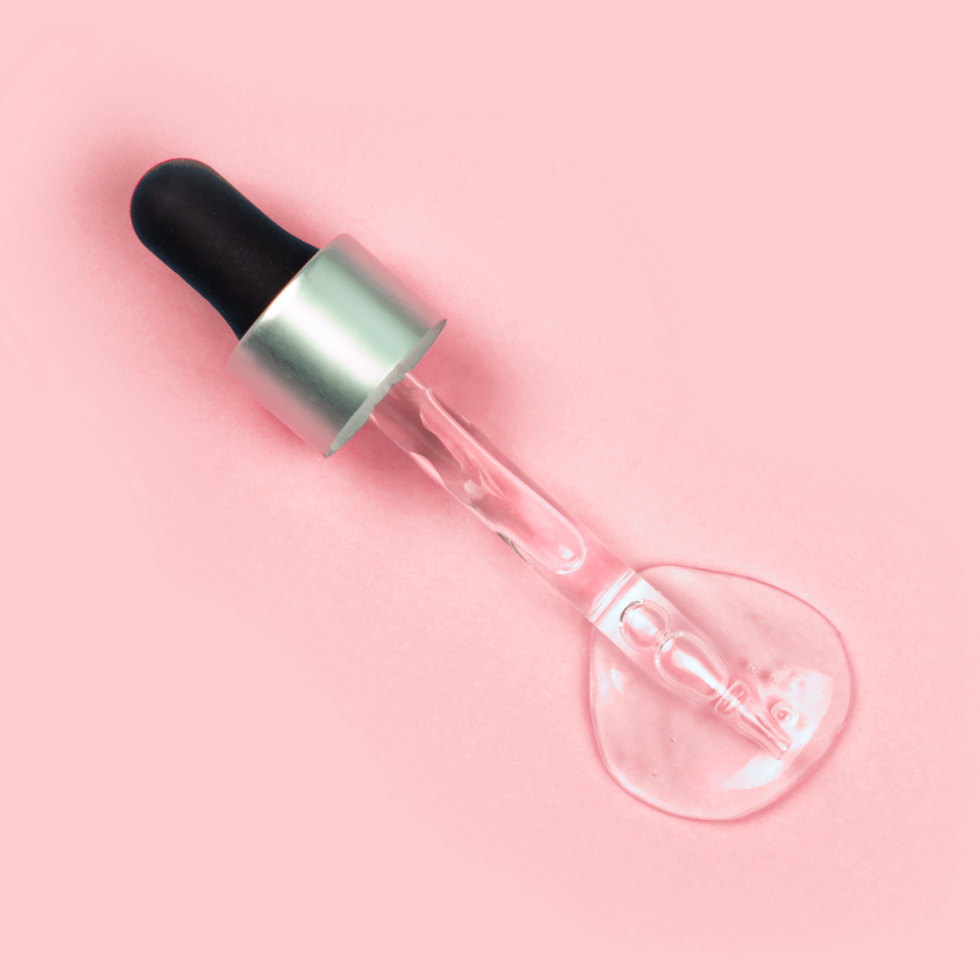
If the phrase hyaluronic acid sounds like something that belongs in a chemistry lab guarded by people in goggles, relax. In skincare, HA is less “mad scientist” and more “water-loving overachiever.” It is one of the most talked-about ingredients in serums, creams, sheet masks, and fillers for a reason: it helps skin hold on to water, which is a very polite way of saying it helps tired, dry skin look less like a raisin that has seen things.
But hype can get weird fast. One bottle promises a dewy glow. Another says plumper skin. A third acts like one pump can reverse three stressful years and a bad winter. The truth is more interesting and much more useful. Hyaluronic acid is a real substance your body already makes. It plays a meaningful role in hydration, lubrication, and tissue support. In skincare, it can be genuinely helpful, especially when you understand what it can do, what it cannot do, and how to use it without treating your bathroom mirror like a chemistry midterm.
This guide breaks down what hyaluronic acid is, how HA works, what hydration benefits it offers, and how to use it smartly in a routine that makes sense in real life.
What Is Hyaluronic Acid?
Hyaluronic acid, often shortened to HA, is a naturally occurring substance found throughout the human body. It is especially abundant in the skin, connective tissue, eyes, and joints. Its biggest talent is simple but impressive: HA attracts and holds water. That is why it is often described as a humectant, meaning it helps pull moisture in and keep it around.
In healthy skin, hyaluronic acid helps support hydration, softness, and flexibility. Think of it as part of the cushioning and water-management system that helps skin stay comfortable and resilient. It is not the whole story of good skin, of course. Skin also depends on lipids, ceramides, collagen, elastin, and a healthy barrier. But HA is one of the standout players because it helps skin feel hydrated fast, and thirsty skin tends to complain loudly.
Here is the important part many people miss: the hyaluronic acid in skincare products is not some alien ingredient dropped in from outer space. It is usually made through biofermentation and designed to mimic the HA your body naturally uses. That makes it familiar, popular, and generally well tolerated by many skin types.
How Hyaluronic Acid Works
It attracts water
The simplest explanation is also the most accurate: hyaluronic acid works because it binds to water. It helps increase water content at or near the skin’s surface, which can make skin feel smoother, softer, and more comfortable. This is why people often describe HA as instantly refreshing. Skin that felt tight five minutes ago may suddenly feel less cranky and more cooperative.
It supports the look of plumper skin
When the outer layers of skin are better hydrated, fine dry lines can look less obvious. That is why HA is often marketed as “plumping.” It does not magically rebuild the skin overnight, and it does not erase deep wrinkles the way marketing departments like to imply while sipping iced lattes. But improved hydration can make skin look temporarily fuller, fresher, and less dull.
It works mostly at the surface in topical products
This is where a little nuance matters. Not all hyaluronic acid molecules are the same size. Larger HA molecules are excellent at holding water, but they do not penetrate deeply into skin. Instead, they tend to sit closer to the surface and hydrate the outermost layers. Smaller forms may behave differently, and many modern formulas blend multiple molecular weights for a broader cosmetic effect. Still, the main practical takeaway is this: topical HA is mostly a hydration tool, not a miracle tunnel boring machine that drills deep into your face.
It performs best when paired with barrier support
Hyaluronic acid does not work in isolation. If skin is dry, irritated, or has a weak barrier, HA usually works better when layered with a moisturizer that contains emollients or occlusives. In plain English, HA helps bring water to the party, but a good moisturizer helps keep the guests from leaving through the back door.
Hydration Benefits of Hyaluronic Acid
The biggest reason people use hyaluronic acid is straightforward: hydration. But the benefits of better hydration show up in several ways.
1. Skin feels softer and more comfortable
Dry skin often feels tight, rough, or itchy. HA can help reduce that “my face feels two sizes too small” sensation by boosting moisture at the surface. This is especially helpful after cleansing, during dry weather, or when indoor heating has turned your home into a decorative desert.
2. Skin can look smoother and fresher
Hydrated skin generally reflects light better, so it looks healthier and more awake. That “dewy” look people chase is not always about oil or shimmer. Often, it is simply well-hydrated skin behaving nicely under daylight instead of resembling an old memo.
3. Fine dehydration lines may look less noticeable
Not every line on the face is a deep structural wrinkle. Some are made more obvious by dryness and dehydration. When HA increases water content in the outer skin, those lines can appear softened. The improvement is cosmetic, not surgical, but it is often enough to make skin look more rested.
4. It can support the skin barrier when used in a smart routine
HA is not a barrier-repair ingredient in the same league as ceramides, petrolatum, or certain rich creams, but it can support a routine aimed at improving skin comfort. When paired with gentle cleansing and a good moisturizer, it helps create conditions where the skin barrier is less likely to feel stripped and stressed.
5. It plays well with many other skincare ingredients
Another reason HA is everywhere is that it is relatively easy to combine with other common ingredients. It can sit comfortably alongside niacinamide, ceramides, glycerin, peptides, and vitamin C in many routines. People who want hydration without jumping straight into stronger actives often start here because it is a lower-drama option.
Why Skin May Need More HA Over Time
As skin ages, it gradually loses some of the substances that help it stay firm, hydrated, and elastic. That includes hyaluronic acid. This decline is one reason mature skin can feel drier and look less springy over time. Environmental stressors do not help either. Sun exposure, harsh products, wind, low humidity, and over-cleansing can all make skin feel drier or more depleted.
That does not mean everyone needs a 14-step skincare routine and a bathroom shelf that looks like a small pharmacy. It simply means hydration becomes more important with age and with barrier stress. For many people, HA is a practical way to add water-focused support back into the routine.
Topical HA vs. Fillers vs. Other Medical Uses
One reason hyaluronic acid confuses people is that it appears in very different categories. A serum, an injectable filler, eye drops, and joint injections may all involve HA, but they are not interchangeable.
Topical hyaluronic acid
This is the version most people know from skincare. It is used in serums, moisturizers, creams, masks, and cleansers. Its main job is hydration and improving the feel and appearance of skin.
Hyaluronic acid dermal fillers
These are injectable products used by trained medical professionals to add volume, soften certain lines, improve contour, or fill specific areas such as lips, cheeks, and folds. This is not skincare. It is a medical cosmetic procedure, and it comes with different expectations, costs, and risks. The quick summary: a serum can help skin look hydrated; a filler can physically add volume. Those are two very different superpowers.
Eye and joint uses
Because HA helps with lubrication and moisture retention, it also shows up in some eye products and medical treatments for joints. That broader use helps explain why the ingredient has such a strong reputation. It is not just trendy; it is biologically useful in multiple tissues.
How to Use Hyaluronic Acid in a Skincare Routine
Using HA well is less about buying the fanciest bottle and more about understanding timing and layering.
Apply it to slightly damp skin
Many people get the best results when HA goes on skin that is slightly damp, not dripping wet and not bone dry. This gives the humectant water to work with right away. After cleansing, pat lightly, leave a little moisture behind, then apply the product.
Seal it in with moisturizer
This step matters. Follow with a moisturizer to help keep hydration in the skin. If you stop at serum alone, especially in a dry environment, your skin may not feel as cushioned as you hoped. HA likes teamwork.
Use it once or twice a day if your skin likes it
Most people can use hyaluronic acid morning and night. If your routine already includes strong actives like retinoids, exfoliating acids, or acne treatments, HA can help reduce that tight, dry feeling that sometimes tags along like an uninvited guest.
Look beyond the front label
Some HA products are excellent. Some are expensive water with a marketing budget. A good formula often includes other supportive ingredients like glycerin, ceramides, squalane, or soothing agents. Texture matters too. If you hate using it, you will not use it consistently, and the bottle will become a tiny monument to optimism under your sink.
Who Might Benefit Most from Hyaluronic Acid?
- People with dry or dehydrated skin
- Those noticing tightness after cleansing
- Anyone wanting a gentler hydration-focused product
- People with mature skin who want added moisture support
- Users balancing stronger ingredients like retinoids or exfoliants
Even oily skin can benefit. Oily does not always mean hydrated. In fact, some people with oily skin strip their face with harsh cleansers, then end up both shiny and dehydrated, which is an unfair combo. Lightweight HA serums or gel creams can help add water without feeling overly heavy.
Common Myths About HA
“It’s an acid, so it must exfoliate.”
Nope. Hyaluronic acid is not an exfoliating acid like glycolic acid or salicylic acid. It is primarily a hydrating ingredient.
“More is always better.”
Also no. Using three HA serums at once will not make you three times glowier. It will mostly make your routine longer and your wallet quieter.
“It fixes every wrinkle.”
Not even close. It can help skin look smoother by improving hydration, but it does not replace sunscreen, retinoids, procedures, sleep, or time travel.
“All HA products work the same way.”
Formula quality, molecular size, supporting ingredients, climate, and your skin barrier all influence results. That is why one HA product can feel amazing while another just sits there acting decorative.
Are There Any Downsides?
Topical hyaluronic acid is generally well tolerated, but that does not mean every product works for every face. Some people react not to HA itself, but to fragrance, preservatives, botanicals, or other ingredients in the formula. If your skin is very sensitive, patch testing is a smart move.
And if you are considering injectable HA fillers, that is a different conversation entirely. Those should be handled by qualified medical professionals because technique, product choice, and anatomy matter a lot. “I watched two videos” is not a medical credential.
Real-World Experiences With Hyaluronic Acid: What People Often Notice
In real life, the experience of using hyaluronic acid is usually less dramatic than an ad campaign and more practical than glamorous. People rarely wake up after one application and whisper, “I have become moonlight.” What they do notice is that their skin feels more comfortable, less tight, and easier to manage.
For someone with dry skin, the first change is often tactile. After cleansing, the face no longer feels squeaky, stretched, or annoyed. Makeup may sit more smoothly because dry patches are not competing for attention like tiny desert islands on the cheeks and around the nose. That can be a huge win, especially in cold weather or air-conditioned offices where skin seems to lose moisture just by existing.
People with oily or combination skin often describe a different kind of success. They may not want a thick cream, but they still want hydration. A lightweight HA serum or gel moisturizer can make the skin feel balanced rather than greasy. In that situation, the ingredient is not about making skin look shiny or “glass-like.” It is about giving the skin water without piling on a heavy finish.
Those using retinoids or acne treatments often appreciate HA because it softens the rough edges of a more aggressive routine. It does not cancel out irritation completely, but it can make the process feel more manageable. Instead of skin feeling flaky by lunch, it may feel calmer and less fragile. That does not sound flashy, but in skincare, less irritation is often the plot twist everyone needed.
Mature skin users often report that hyaluronic acid makes the face look a little more rested and a little less papery. Fine lines caused by dryness may appear softer, and skin may feel more flexible through the day. Again, this is not a facelift in a bottle. It is more like giving tired skin a very large glass of water and a supportive pep talk.
Another common experience is trial and error. Some people love one HA product and dislike the next because texture and formulation matter so much. A sticky serum may feel uncomfortable. A cream with HA, ceramides, and glycerin may feel fantastic. Many users discover that HA works best when the routine around it is simple: gentle cleanser, damp skin, HA product, moisturizer, sunscreen in the morning. Nothing theatrical. Just consistent, boring success. Which, honestly, is underrated.
The biggest real-world lesson is that hyaluronic acid tends to work best when expectations are realistic. It is excellent for hydration support. It can help skin look smoother, feel softer, and behave better under makeup or during dry seasons. But it is not supposed to fix everything. When people understand that, they usually like it more.
Final Thoughts
So, what is hyaluronic acid? It is a naturally occurring, water-loving substance that helps support hydration in skin and other tissues. In skincare, its biggest strength is helping the surface of the skin hold moisture so it feels softer, looks fresher, and appears a bit plumper. That may sound simple, but in a world full of dramatic beauty claims, simple and effective is a very good deal.
The best way to think about HA is not as a miracle cure, but as a smart hydration tool. Use it on slightly damp skin, follow with moisturizer, pair it with sunscreen and a barrier-friendly routine, and let it do the quiet, useful job it was built for. It may not change your life, but it can absolutely help your skin stop acting like it has been personally offended by winter.