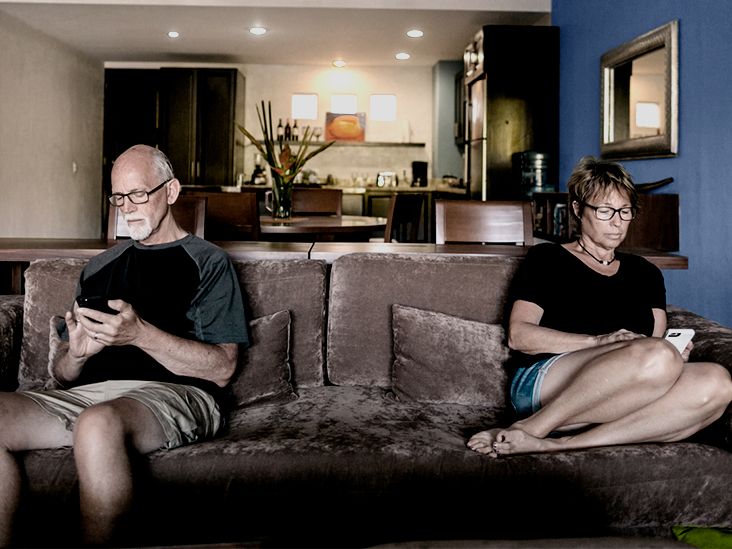
Some people slam a cabinet door. Others say, “No worries, I’m fine,” with the emotional warmth of a parking ticket. That second move is often where passive-aggressive behavior lives: not in open conflict, but in side doors, mixed signals, and suspiciously delayed text replies.
Passive-aggressive behavior can be confusing because it rarely announces itself with a neon sign. Instead, it shows up wearing a polite smile, carrying a backhanded compliment, and quietly “forgetting” the thing it absolutely remembered yesterday. If you have ever walked away from a conversation thinking, Was that an insult, a joke, or a hostage situation? you have probably brushed up against it.
This article breaks down the definition of passive-aggressive behavior, common examples, likely causes, how it affects relationships and work, and what to do if you are dealing with it in someone else or noticing it in yourself.
What is passive-aggressive behavior?
Passive-aggressive behavior is an indirect way of expressing negative emotions such as anger, resentment, disappointment, irritation, or hurt. Instead of stating those feelings clearly, a person communicates them through subtle resistance, sarcasm, avoidance, sulking, procrastination, or other mixed-message behaviors.
In plain English, it is what happens when someone does not want to say, “I’m upset,” but absolutely wants you to feel the weather change in the room.
That is what makes passive aggression different from direct aggression. A directly aggressive person may yell, criticize, or openly argue. A passive-aggressive person often does the emotional equivalent of pressing “mute” while still trying to win the argument. The goal may be to avoid conflict, maintain control, punish someone indirectly, or protect oneself from feeling vulnerable.
It is also important to separate behavior from identity. Most people act passive-aggressively from time to time. That does not automatically mean they are manipulative villains in human form. It may mean they are stressed, uncomfortable with confrontation, unsure how to name their feelings, or stuck in a pattern they learned long ago.
Also worth noting: in everyday life, “passive-aggressive” describes a behavior pattern, not a formal diagnosis. That distinction matters because it keeps the conversation focused on communication and change, not armchair labeling.
Common examples of passive-aggressive behavior
Passive aggression does not always look dramatic. In fact, its whole brand is “technically nothing happened” while everyone still feels annoyed. Here are some of the most common examples.
The silent treatment
A person is upset but refuses to say why. They withdraw, answer in one-word replies, or act icy while insisting nothing is wrong. This is one of the clearest examples because it turns communication into a guessing game.
Backhanded compliments
These comments sound flattering for about half a second. Think: “You look great today. I almost didn’t recognize you,” or “That presentation was actually really organized.” The message arrives wearing a compliment costume, but the insult still sneaks in.
Procrastination as punishment
Someone agrees to do something, then drags their feet, does it poorly, or “forgets” until the last minute. This can be especially common at work or at home when a person does not want to say no directly.
Sarcasm and cutting humor
Humor can be healthy. Humor can also become a delivery truck for resentment. Phrases framed as “just joking” may actually be attempts to criticize, shame, or vent anger without owning it.
Avoidance and ghosting
Rather than addressing a problem, the person disappears, dodges calls, changes the subject, or acts busy forever. If honesty feels uncomfortable, avoidance can become their favorite unpaid intern.
Intentional inefficiency
This happens when someone performs a task badly on purpose or with suspiciously low effort so they will not be asked again. It is not incompetence. It is resistance wearing sweatpants.
Public jabs and private denial
A coworker smiles one-on-one but makes pointed comments in meetings. A partner posts a cryptic social media update instead of having a conversation. When confronted, they deny that anything was meant by it. Convenient.
Weaponized kindness
Sometimes passive aggression hides inside exaggerated helpfulness, martyrdom, or scorekeeping. A person may do favors they were never asked to do, then resent everyone for not being grateful enough.
What passive-aggressive behavior looks like in daily life
In relationships
Passive aggression can look like saying “whatever you want” while clearly meaning the opposite, punishing a partner with distance, making digs in front of friends, or repeatedly “forgetting” issues that matter to the other person. The result is often confusion, resentment, and emotional exhaustion.
In families
Family passive aggression often sounds familiar because family members know exactly where the emotional buttons are. Examples include guilt-heavy remarks, dramatic sighs, fake agreement, holiday sarcasm, or doing “nice” things with enough bitterness to season the entire room.
At work
At work, it may show up as missed deadlines, vague resistance, withholding information, copying the wrong people on an email, or using polished-but-hostile phrases that somehow feel worse than yelling. “Per my last email” is not always passive-aggressive, but it has definitely auditioned for the role.
Online
Digital passive aggression has its own special flair: delayed replies designed to send a message, vaguebooking, subtweets, disappearing from group chats, reacting to everyone else’s comment except yours, or posting “no drama” while launching drama into low Earth orbit.
Why do people act passive-aggressively?
There is no single cause, but several patterns show up again and again.
Fear of conflict
Many people act passive-aggressively because direct disagreement feels scary, rude, unsafe, or emotionally risky. They may want to avoid a fight, rejection, criticism, or embarrassment, so they express anger sideways.
Learned communication habits
If someone grew up in a home where honest feelings were dismissed, punished, mocked, or ignored, they may learn to communicate frustration indirectly. In those environments, saying “I’m angry” might have felt dangerous, while sulking or sarcasm felt safer.
Difficulty with assertiveness
Assertive communication means being clear, respectful, and honest about your needs. People who have never learned this skill may bounce between being overly passive and quietly resentful. Passive aggression often fills the gap where assertiveness should be.
Resentment that has been building for too long
Sometimes a person has said yes too many times, avoided too many conversations, and swallowed too many frustrations. Eventually the resentment leaks out through tone, delay, mood, and small acts of resistance.
Desire for control without open confrontation
In some cases, passive aggression is not just avoidance. It is strategy. A person may use confusion, guilt, or indirect punishment to influence someone else while still maintaining plausible deniability.
Stress, insecurity, or emotional immaturity
Under stress, people often default to their least polished habits. Someone who struggles to regulate emotions may act passive-aggressively because it feels easier than being vulnerable, accountable, or straightforward.
How passive-aggressive behavior affects relationships and workplaces
The biggest problem with passive aggression is not just that it is irritating. It is that it blocks resolution.
When feelings are hinted at instead of clearly stated, the other person is left decoding mood, guessing intent, and trying to solve a puzzle they did not sign up for. That confusion can create anxiety, defensiveness, and mistrust. Over time, people stop feeling emotionally safe.
In romantic relationships, passive aggression can create chronic tension. One partner may start walking on eggshells, anticipating sarcastic remarks, withdrawal, or hidden anger. Intimacy suffers because honesty has been replaced by performance.
In friendships and families, the pattern can make ordinary problems feel strangely exhausting. Nothing is addressed cleanly, but everything somehow leaves a bruise.
At work, the cost can be even more visible. Productivity drops, collaboration suffers, deadlines wobble, and teams become less trusting. A passive-aggressive workplace can look polite on the surface while functioning like a group project where everyone secretly wants to move to another planet.
How to respond to passive-aggressive behavior
If someone in your life communicates this way regularly, the goal is not to out-sarcasm them. It is to stop the pattern from running the conversation.
Stay calm
Passive aggression often invites you into a trap: react emotionally, then get labeled as the unreasonable one. Pause before responding. A steady tone protects your point.
Name what you notice
Try a direct but non-accusatory statement such as, “I’m getting the sense that something is bothering you,” or “You said you were okay, but your tone sounds frustrated.” This keeps the focus on behavior, not character.
Ask clear questions
Clarifying questions can pull the conversation out of the fog. Ask, “Are you saying you don’t want to do this?” or “What would you prefer instead?” Specific questions make indirect communication harder to hide behind.
Use “I” statements
Say, “I feel confused when the answer is yes but the actions look like no,” or “I feel dismissed when concerns come out as jokes.” This reduces blame while keeping accountability on the table.
Set boundaries
If a person keeps using the silent treatment, sarcasm, or delay tactics, you do not have to keep chasing clarity. You can say, “I’m happy to discuss this when we can be direct,” and step back from the cycle.
Do not reward the pattern
If someone avoids giving a direct answer, resist doing all the emotional labor for them. You are not required to become a full-time translator for unclear behavior.
Document patterns at work
If the behavior is affecting your job, keep written records of missed deadlines, vague instructions, withheld information, or repeated communication issues. This helps if you need to escalate the concern professionally.
How to stop being passive-aggressive yourself
Noticing this behavior in yourself can feel uncomfortable, but it is also a huge advantage. Awareness is the moment where better habits start.
Name the real feeling
Before sending the snippy text or “forgetting” the task, ask yourself what is actually happening. Are you angry? Hurt? Embarrassed? Feeling controlled? Most passive aggression begins where honest emotional labeling ends.
Say the hard thing sooner
Try simple, direct language: “I’m frustrated.” “I can’t do that.” “That comment bothered me.” “I need more notice.” None of those lines are dramatic. They are just clear, and clarity is underrated.
Practice assertive communication
A helpful structure is: problem, feeling, ask. Example: “When plans change last minute, I feel stressed. Can we confirm earlier next time?” That is assertive, not passive, and not aggressive.
Stop saying yes when you mean no
Many passive-aggressive patterns begin with false agreement. If you cannot or do not want to do something, a respectful no is far kinder than a resentful yes followed by sabotage.
Take responsibility
If you used sarcasm, avoidance, or indirect punishment, own it. A real apology sounds like, “I was upset and handled it poorly. I should have said what I meant.” That level of accountability is awkward for about ten seconds and useful for much longer.
Consider therapy if the pattern is chronic
If direct communication feels almost impossible, or if anger tends to leak out sideways in most close relationships, therapy can help you understand the roots of that pattern and build healthier ways to speak up.
When to seek professional help
Passive-aggressive behavior may be worth addressing with a mental health professional when it is persistent, damaging important relationships, creating repeated conflict at work, or tied to deeper issues such as chronic resentment, anxiety, depression, trauma, or intense fear of confrontation.
You do not need to wait until life turns into one long sarcastic email chain. If communication patterns are causing pain, support can help.
Experiences related to passive-aggressive behavior: what it feels like in real life
One of the strangest things about passive-aggressive behavior is how small each moment can seem on its own. A delayed reply here. A sigh there. A joke that somehow lands like a slap wrapped in bubble wrap. But when those moments pile up, they create a relationship climate that feels heavy, uncertain, and weirdly lonely.
Take a common dating experience. One person is upset that their partner canceled dinner plans. Instead of saying, “I was disappointed,” they insist it is fine. Later, they answer texts with one-word replies, post an obviously pointed story online, and turn cold all evening. The partner ends up apologizing, guessing, reassuring, and still not knowing what the real issue is. That is the emotional tax of passive aggression: one person sends smoke signals, and the other person has to act like a detective.
Family life can be even trickier because passive-aggressive habits are often old and deeply rehearsed. A parent says, “You do whatever you want,” but makes it painfully clear there will be a guilt invoice later. A sibling agrees to help, then arrives late and annoyed. A relative makes “funny” comments at dinner that are somehow always aimed at the same person. Nobody technically starts a fight, yet everyone leaves tense. These situations are exhausting because the message is never fully spoken, which means it is never fully resolved.
Workplace experiences can feel especially destabilizing. Imagine a coworker who says they are on board with a project, then withholds a key detail until the last minute. Or a manager who never gives direct feedback but drops sarcastic comments in meetings. The problem is not just hurt feelings. Passive aggression at work can damage trust, slow progress, and make competent people doubt themselves. It turns ordinary collaboration into emotional dodgeball.
Many people also recognize passive aggression in themselves before they feel ready to admit it out loud. Maybe they say yes because they do not want to disappoint anyone, then quietly resent the request and drag their feet. Maybe they joke instead of speaking honestly because honesty feels too exposed. Maybe they learned growing up that direct anger was “bad,” so their frustration found side exits instead. That realization can sting, but it is also useful. Once you see the pattern, you can interrupt it.
A healthier experience usually starts with a very unglamorous skill: saying the real thing earlier. “I don’t want to do that.” “I felt hurt by that comment.” “I need more help.” “I’m angry, but I want to talk about it respectfully.” None of these lines will win an award for drama. That is exactly the point. Direct communication is often less dramatic, less confusing, and a lot less expensive emotionally.
If there is a hopeful takeaway here, it is this: passive-aggressive behavior may be common, but it is not destiny. People can learn to be more honest, more assertive, and less likely to turn every conflict into a scavenger hunt. And honestly, most relationships improve the moment everyone stops saying “I’m fine” like it is a threat.
Conclusion
Passive-aggressive behavior is easy to recognize once you know the signs, but much harder to live with when it becomes a pattern. At its core, it is indirect communication powered by unspoken emotion. It can look mild on the surface, yet still leave real damage behind in relationships, families, friendships, and workplaces.
The good news is that passive aggression is not the same thing as honesty, strength, or emotional intelligence. It is usually a workaround for feelings that have not been stated clearly. That means the most effective response is not mind-reading or retaliation. It is calm clarity, boundaries, and a move toward assertive communication.
Say what you mean. Mean what you say. And if you are tempted to communicate your disappointment through a six-hour silence and one dramatic dishwashing session, that may be your cue to try a better sentence instead.