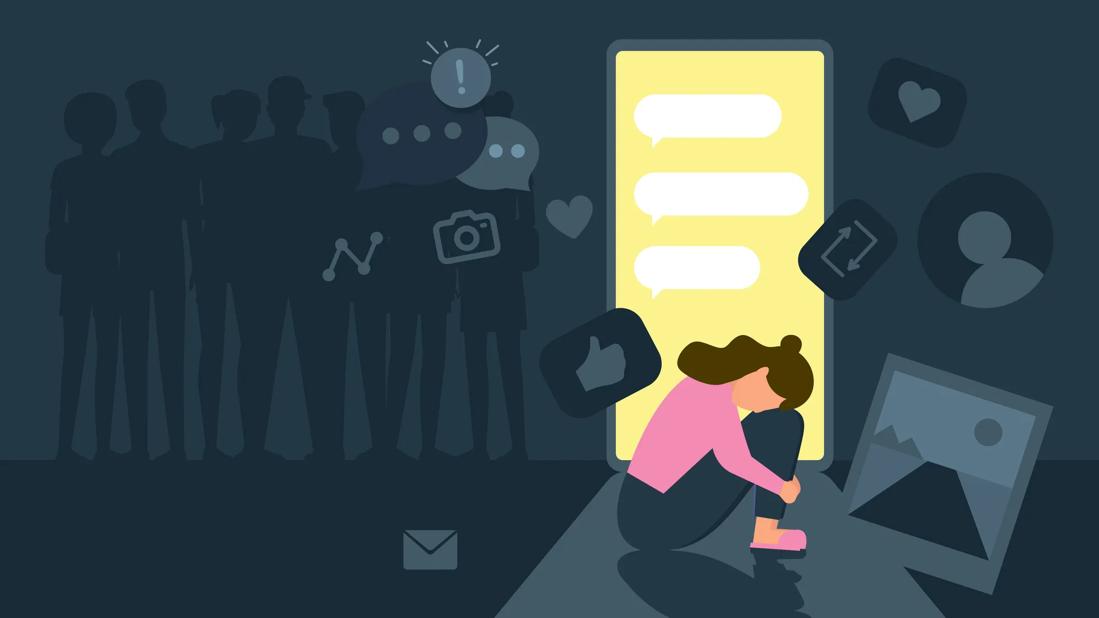
Loneliness can feel like a quiet emotional ache, but its effects may extend far beyond a gloomy Saturday night and an increasingly judgmental houseplant. When the need for meaningful connection remains unmet, the body may respond as though it is dealing with an ongoing source of stress.
Occasional loneliness is a normal part of life. It may appear after moving, losing a relationship, changing jobs, becoming a caregiver, retiring, or simply realizing that most recent conversations have involved delivery notifications. The greater concern is persistent lonelinessthe kind that lasts, affects daily functioning, and gradually changes how a person sleeps, thinks, behaves, and cares for their health.
Research consistently associates chronic loneliness and social isolation with depression, anxiety, cardiovascular disease, cognitive decline, sleep problems, weakened resilience, and premature death. These findings do not mean that every lonely person will become ill. They do mean that social connection deserves a place beside exercise, nutrition, and sleep in conversations about health.
Loneliness, Social Isolation, and Solitude Are Different
Loneliness is a subjective feeling. It happens when the relationships a person has do not provide the closeness, belonging, understanding, or support that person needs. Someone may have hundreds of online contacts, attend a crowded office every day, and still feel profoundly lonely.
Social isolation is more objective. It describes having few relationships, limited contact with other people, or little practical and emotional support. A person living alone in a remote area may be socially isolated without feeling lonely, while someone surrounded by family may feel emotionally invisible.
Solitude is different again. Chosen time alone can be restorative. Reading, walking, gardening, creating art, or enjoying a peaceful dinner without negotiating where everyone wants to eat may improve well-being. The problem is not being alone; it is feeling disconnected when connection is wanted.
Why Loneliness Can Affect the Body
The Stress System Stays on Alert
Humans developed in groups, where social connection supported protection, food gathering, child care, and survival. Because of that history, the brain may interpret persistent disconnection as a form of threat. Stress hormones and vigilance can increase, making a person more sensitive to rejection, conflict, or ambiguous social signals.
This can create an unpleasant loop. A lonely person may expect conversations to go badly, interpret a delayed reply as rejection, or withdraw to avoid embarrassment. Withdrawal then reduces opportunities for positive contact, which strengthens the original feeling of loneliness. In other words, the brain tries to protect the person but occasionally behaves like an overenthusiastic security guard who locks out the invited guests.
Inflammation May Increase
Chronic psychological stress can influence immune and inflammatory processes. Studies have found associations between loneliness or social isolation and higher inflammatory activity, although the strength of the relationship varies among individuals and studies. Persistent low-grade inflammation is relevant because it is involved in cardiovascular disease, diabetes, frailty, and other chronic health problems.
Sleep Can Become Less Restful
Loneliness does not always reduce the number of hours spent in bed, but it may make sleep more fragmented or less restorative. Someone who feels socially unsafe or emotionally unsettled may remain more alert during the night. Poor sleep can then worsen irritability, concentration, appetite regulation, stress sensitivity, and motivation to socialize.
The resulting cycle is impressively inconvenient: loneliness disrupts sleep, fatigue makes interaction harder, reduced interaction increases loneliness, and suddenly replying to a friendly text feels like filing a complicated tax return.
How Loneliness Impacts Mental Health
Depression and Anxiety
Loneliness and depression frequently overlap, but they are not identical. Loneliness centers on perceived disconnection, while clinical depression includes a broader pattern of symptoms such as persistent sadness, loss of interest, low energy, changes in sleep or appetite, difficulty concentrating, hopelessness, or thoughts of death.
The relationship can run in both directions. Loneliness may contribute to depressed mood and anxiety, while depression or anxiety may make a person withdraw, distrust others, cancel plans, or believe they are a burden. Without support, each condition may reinforce the other.
Lower Self-Esteem and Greater Social Sensitivity
Persistent loneliness can change the stories people tell themselves. Neutral events may begin to feel personal: a friend is busy, so “Nobody wants me around”; coworkers go to lunch without extending an invitation, so “I must not belong here.” These interpretations may feel convincing even when other explanations are more likely.
Over time, a person may become more alert to criticism and less able to notice warmth, interest, or opportunities for connection. This is one reason that simply telling someone to “go meet people” is rarely enough. The challenge is not always access to people; it may also involve fear, grief, shame, distrust, or repeated experiences of rejection.
Higher Risk During Emotional Crises
Severe loneliness is associated with suicidal thoughts and other forms of psychological distress. Anyone who feels unable to stay safe, is thinking about suicide, or is in an immediate mental health crisis in the United States can call or text 988 to reach the 988 Suicide & Crisis Lifeline. Immediate physical danger requires calling 911 or going to the nearest emergency department.
How Loneliness Impacts Physical Health
Heart and Blood Vessel Health
Loneliness and social isolation are associated with higher risks of heart disease and stroke. An American Heart Association scientific statement reported that social disconnection was associated with an approximately 30% higher risk of heart attack, stroke, or death from either condition. This does not prove that loneliness alone directly causes cardiovascular events, but it highlights a meaningful relationship that remains important even when researchers consider other health factors.
Several pathways may contribute. Chronic stress can influence blood pressure, inflammation, nervous-system activity, and health behaviors. People who lack dependable support may also have more difficulty attending medical appointments, recovering after hospitalization, taking medications consistently, or getting help when symptoms appear.
Brain Health and Cognitive Decline
Social interaction exercises attention, language, memory, emotional regulation, and problem-solving. Regular conversation requires the brain to interpret tone, remember details, respond appropriately, and adjust to another person in real time. That is a surprisingly sophisticated mental workout for something that may look like two people arguing about whether a tomato belongs in a fruit salad.
Among older adults, persistent loneliness and social isolation have been associated with faster cognitive decline and a higher risk of dementia. Possible explanations include reduced cognitive stimulation, poorer sleep, inflammation, cardiovascular disease, depression, and fewer opportunities for others to notice early changes in memory or functioning. Researchers continue to study how much of the relationship is causal and how much reflects shared underlying factors.
Immune Function and Recovery
Chronic loneliness may affect how the body regulates immune responses. It has been associated with altered inflammation and stress reactivity, which could influence resilience during illness. Socially disconnected people may also receive less practical care when sickfewer rides to appointments, fewer medication reminders, and nobody appearing at the door with soup that contains suspiciously large quantities of garlic.
Supportive relationships do not replace medical treatment, but they can make treatment easier to follow. A trusted person may encourage earlier care, help clarify a clinician’s instructions, notice worsening symptoms, or provide assistance during recovery.
Health Behaviors
Loneliness can indirectly affect health by changing everyday behavior. A person who feels disconnected may exercise less, rely more heavily on highly processed comfort foods, smoke, drink excessively, or spend long periods sitting and scrolling. Motivation often suffers because routines feel harder to maintain without encouragement, structure, or shared purpose.
The reverse can also happen. Physical illness, hearing loss, mobility limitations, chronic pain, and fatigue may make social participation harder, increasing isolation. Effective support therefore addresses both sides of the problem rather than treating loneliness as a simple failure to “be more social.”
Who Is Most Vulnerable to Chronic Loneliness?
Loneliness can affect anyone, including children, young adults, parents, executives, students, caregivers, and people with apparently busy social lives. Certain transitions and circumstances, however, may increase risk:
- Moving to a new city, school, workplace, or country
- Remote work without meaningful personal contact
- Retirement or loss of a professional identity
- Bereavement, divorce, or the end of a close friendship
- Caregiving responsibilities that limit time and energy
- Chronic illness, disability, pain, or reduced mobility
- Hearing or vision loss that makes interaction difficult
- Financial stress or lack of reliable transportation
- Feeling excluded because of identity, language, or life circumstances
Older adults face particular risks because they are more likely to experience bereavement, retirement, sensory loss, mobility limitations, and the shrinking of long-standing social networks. Younger people can also be deeply lonely, especially when online interaction creates frequent contact without emotional closeness.
Signs That Loneliness May Be Affecting Your Health
Loneliness does not come with a laboratory test or a flashing dashboard light. It may appear through changes such as:
- Feeling disconnected even when other people are present
- Frequently assuming others are rejecting or judging you
- Withdrawing from invitations despite wanting companionship
- Sleeping poorly or feeling tired throughout the day
- Losing interest in exercise, cooking, hobbies, or self-care
- Using alcohol, food, shopping, gaming, or social media to numb emotions
- Feeling that nobody truly knows or understands you
- Experiencing worsening anxiety, sadness, or hopelessness
A temporary lonely period does not automatically require treatment. However, persistent symptoms, impaired daily functioning, major changes in sleep or appetite, substance misuse, or thoughts of self-harm are strong reasons to contact a physician or mental health professional.
Practical Ways to Reduce Loneliness
Start With Repeated, Low-Pressure Contact
Deep friendship usually grows through repeated exposure, not one dazzling conversation. A weekly class, walking group, faith community, volunteer shift, sports league, book club, or neighborhood gathering creates regular opportunities to become familiar with the same people.
Consistency matters more than charisma. Showing up repeatedly allows trust to develop without requiring anyone to perform conversational gymnastics on day one.
Focus on the Quality of Connection
A packed calendar is not a cure if every interaction feels superficial. Meaningful connection often involves being able to speak honestly, receive attention, share responsibility, or feel useful. One dependable relationship may offer more protection than dozens of polite acquaintances.
Try replacing a vague “We should catch up sometime” with a specific invitation: “Would you like to walk Saturday morning?” Specific plans reduce friction and give the other person something concrete to answer.
Practice Small Acts of Openness
Connection requires some vulnerability, but it does not require immediately handing a stranger your complete emotional autobiography. Start modestly. Share an opinion, ask a thoughtful question, mention a challenge, or tell someone you enjoyed speaking with them.
It can also help to challenge automatic assumptions. A delayed response may indicate a busy day, a forgotten notification, or a phone buried beneath laundrynot rejection.
Use Technology as a Bridge
Video calls, group chats, online communities, and multiplayer games can provide real connection, especially for people with mobility, transportation, or geographic barriers. Technology is most helpful when it supports interaction rather than passive comparison.
Consider using digital contact to create a next step: schedule a call, join a live discussion, attend an in-person event, or make plans with someone nearby. The goal is not to collect more notifications. Most people already have enough of those to qualify as part-time air-traffic controllers.
Support the Body While Rebuilding Connection
Regular sleep, movement, nutritious meals, and time outdoors cannot substitute for relationships, but they can improve the energy and emotional regulation needed to pursue them. A daily walk, for example, may reduce stress while increasing small interactions with neighbors and familiar faces.
Ask for Professional Support
A therapist can help address social anxiety, grief, depression, trauma, low self-esteem, or thought patterns that maintain loneliness. A primary care clinician may identify hearing loss, sleep disorders, medication effects, chronic pain, or other health issues that make social participation more difficult.
Community organizations, senior centers, libraries, schools, workplaces, support groups, and local health systems may also offer structured opportunities for connection. The most effective option is usually one that matches the person’s interests, limitations, and need for emotional safety.
Experiences That Show How Loneliness Can Affect Health
The following are composite scenarios based on common experiences. They are not descriptions of specific patients.
The Remote Worker Who Was “Always Connected”
Maya worked from home and spent most of each day in online meetings. Technically, she interacted with people constantly. Emotionally, however, she felt as though she were broadcasting from a tiny island with excellent Wi-Fi.
Her conversations focused on deadlines, performance reports, and whether everyone could see her screen. Weeks passed without relaxed face-to-face contact. She began sleeping later, skipping breakfast, and working through lunch. At night, she scrolled through social media, where everyone else appeared to be attending weddings, hiking mountains, or laughing over photogenic salads.
Maya initially assumed her fatigue came from work. She noticed, however, that she felt more energetic after even a brief coffee with a neighbor. She joined a coworking space twice a week and registered for a beginner pottery class. The pottery was lumpy, but the routine gave her repeated contact with familiar people. Gradually, casual greetings became conversations, and conversations became invitations.
Her experience illustrates that loneliness is not measured by the number of messages received. Task-focused contact may not provide emotional connection, and passive social-media use may intensify comparison without satisfying the need to belong.
The Caregiver Who Disappeared From His Own Life
James cared for his father, who had increasing mobility and memory problems. Friends offered help early on, but James usually declined. Explaining the situation felt exhausting, and arranging coverage seemed harder than simply doing everything himself.
Over time, invitations slowed. James slept lightly because he listened for movement during the night. He stopped exercising, postponed his own medical appointments, and ate whatever required the fewest dishes. He loved his father, yet he also felt trapped, guilty, resentful, and ashamed of feeling resentful.
A nurse eventually asked James not only how his father was doing, but how James was doing. That question opened the door. He joined a caregiver support group, accepted two hours of respite assistance each week, and asked his sister to handle one recurring appointment.
Nothing became magically easy. His responsibilities remained substantial. But having people who understood the situation reduced his sense of being alone inside it. His experience shows that loneliness is not always solved by entertainment or a busier schedule. Sometimes people need practical support, emotional validation, and permission to receive help.
The Retiree Who Lost More Than a Job
Elena looked forward to retirement. She imagined long breakfasts, organized closets, and finally learning what several mysterious buttons on the television remote controlled. After a few months, however, the freedom began to feel empty.
Her job had provided structure, conversation, problem-solving, and a sense that other people depended on her. Without it, days blurred together. She watched more television, moved less, and sometimes realized she had not spoken aloud since the previous afternoon.
Elena did not need a packed social calendar. She needed purpose. She began volunteering one morning a week at a community literacy program and scheduled a standing Friday lunch with a former coworker. She also started calling her sister during an evening walk rather than waiting for a “good reason” to call.
The changes were small, but they were dependable. Regular contact gave shape to her week, while volunteering reminded her that she still had knowledge and attention worth sharing. Her experience demonstrates why successful responses to loneliness often combine companionship, routine, movement, and contribution. People generally want more than company; they want to feel seen, valued, and useful.
Conclusion: Social Connection Is Part of Health Care
Loneliness is not a personal defect, proof of unlikability, or something people should simply “snap out of.” It is a signal that an important human need is not being met. When the signal persists, it may influence stress, sleep, mood, cardiovascular health, cognition, immune regulation, and everyday health behavior.
The solution is rarely to become wildly popular by Tuesday. More realistic progress comes from dependable contact, shared activities, practical support, honest conversation, and environments where relationships can grow over time. A weekly walk, recurring class, support group, volunteer role, therapy appointment, or direct invitation may seem small, but small connections repeated consistently can reshape a life.
Health is often described through numbersblood pressure, cholesterol, steps, calories, and hours of sleep. Those numbers matter. So does having someone to call, somewhere to belong, and a reason to show up.