Before you buy another decorative bowl that exists mainly to hold three wooden beads, take a second look around your home. The next statement piece may already be hiding in a kitchen cabinet, leaning against the garage wall, or waiting patiently in the recycling bin.
Upcycled home decor is not simply about keeping old objects out of the trash. It is the art of noticing shape, texture, history, and potential. A weathered ladder can become a blanket rack. A chipped teacup can become a tiny planter. Even an outdated dresser can return as a bathroom vanity that looks as though it came from an expensive design studio.
The most successful transformations balance creativity with restraint. They preserve what makes an object interesting while changing its purpose enough to feel fresh. The following 25 DIY decor ideas demonstrate how ordinary household items can become functional, stylish, and wonderfully unexpected.
Why Repurposed Household Items Make Great Decor
Mass-produced accessories can make a room look polished, but repurposed household items give it personality. Their scratches, faded finishes, unusual proportions, and small imperfections create the collected appearance that designers often achieve by combining different materials, periods, and styles.
These projects can also support budget-friendly decorating. Instead of paying for a new shelf, planter, lamp, or organizer, you begin with something you already own or can find inexpensively at a thrift store. The key is not to save every object. That path leads to a garage full of “future projects” and absolutely no place to park. Choose pieces that are sturdy, useful, meaningful, or visually distinctive.
25 Ordinary Items Turned Into Incredible Decor
1. Glass Jars Became Elegant Vases
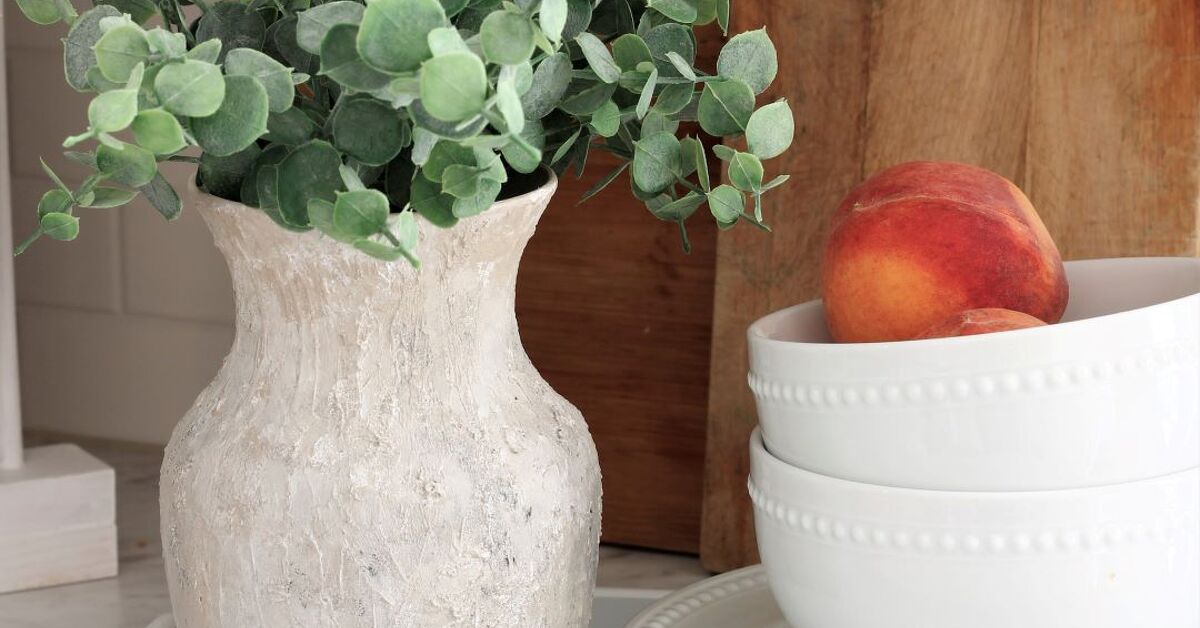
Pasta sauce, jam, and pickle jars can become surprisingly refined flower vases once their labels and adhesive are removed. Paint the exterior with a matte finish, wrap the lower section with natural rope, or group jars of different heights on a tray. Clear jars also work beautifully for plant propagation because the growing roots become part of the display.
2. Tin Cans Became Decorative Planters
A clean tin can has the ideal shape for a small herb pot, pencil cup, or craft-supply container. Cover it with wallpaper scraps, paint it in a coordinated color palette, or punch decorative holes into the metal to create a lantern. Sand or cover sharp edges carefully before using the finished piece.
3. Wine Bottles Became Ambient Lighting
Empty wine bottles can hold battery-operated fairy lights, taper candles, or single flower stems. Several bottles in coordinating colors create an easy centerpiece for a dining table or mantel. Bottles can also become lamp bases, although electrical components should be installed with a proper lamp kit or by someone who understands safe wiring.
4. An Old Door Became a Statement Headboard
A solid wood door can create an architectural headboard with far more character than a flat upholstered panel. Sand rough areas, seal peeling finishes, and mount the door securely behind the bed. Paneled doors look especially striking when painted in a muted color that contrasts with the wall.
5. A Wooden Ladder Became a Blanket Rack
A short wooden ladder needs very little alteration to become attractive vertical storage. Lean it safely against a living-room wall and drape folded quilts or throws over the rungs. In a bathroom, the same ladder can display towels. A horizontal ladder mounted securely to a wall may also support baskets or lightweight books.
6. Wooden Crates Became Modular Shelves
Produce crates and sturdy wine boxes can be stacked into a flexible bookcase or mounted individually as wall cubbies. Leaving the wood unfinished creates a rustic effect, while paint makes mismatched boxes feel like a coordinated system. Before installation, inspect every crate for loose boards, protruding nails, and splinters.
7. A Dresser Became a Bathroom Vanity
An outdated dresser can become the most memorable feature in a bathroom. A plumber or experienced DIYer can modify the top and back to accommodate a sink, faucet, and pipes. The drawers may also need adjustment around the plumbing. Seal the surface carefully so humidity and splashes do not damage the wood.
8. A Cabinet Became a Home Bar
A small cabinet, television armoire, or vintage hutch can hold bottles, glassware, cocktail tools, and serving trays. Add interior lighting, mirrored backing, or removable wallpaper for extra drama. The doors can close when the bar is not in use, instantly returning the room to responsible-adult mode.
9. Vintage Suitcases Became a Side Table
Stacking two or three firm-sided suitcases creates a side table with hidden storage. Secure the cases to one another if the stack will be used regularly, and attach furniture legs or a simple wooden base for greater stability. The interiors can hold seasonal linens, board games, or sentimental objects.
10. Teacups Became Tiny Planters
Chipped or mismatched teacups are ideal containers for small succulents, air plants, or dried flowers. A cup and saucer can also become a bird feeder when securely assembled and hung outdoors. For live plants, add drainage where possible or keep the plant in a removable nursery pot to prevent soggy soil.
11. Colanders Became Hanging Baskets
Metal colanders already contain drainage holes, making them natural candidates for hanging planters. Add a moisture-retaining liner, attach strong chains, and fill the bowl with trailing flowers or herbs. Bright enamel colanders are especially decorative and can add cheerful color to a porch or kitchen.
12. Picture Frames Became Display Trays
Remove the backing from a large frame, insert decorative paper, fabric, or a mirror, and add handles to create a serving or vanity tray. Empty frames can also surround wall-mounted planters, decorative hooks, or small collections. A unified paint color helps frames of different styles work together in a gallery arrangement.
13. Tennis Rackets Became Wall Mirrors
Older wooden tennis rackets have sculptural shapes that deserve better than permanent retirement in the attic. Replace the strings with a custom-cut mirror or decorative backing, then hang one racket alone or arrange several as a playful wall display. This idea works especially well in a sports-themed office or child’s bedroom.
14. Cutting Boards Became Kitchen Wall Decor
Well-worn wooden cutting boards can add warmth and texture to a kitchen wall. Group boards in different shapes, attach small hooks for towels, or convert one into a tablet holder or message station. Boards with deep cracks or uncertain food-safety histories are better used decoratively than for meal preparation.
15. Small Rugs Became Designer-Style Pillows
A flat-woven rug with an attractive pattern can become a sturdy lumbar pillow or floor cushion. Fold or cut the rug to size, stitch the edges, and add a zipper or envelope-style closure. Because rug fabric is usually heavier than ordinary upholstery material, use a strong needle and durable thread.
16. Old Quilts Became Upholstery and Wall Art
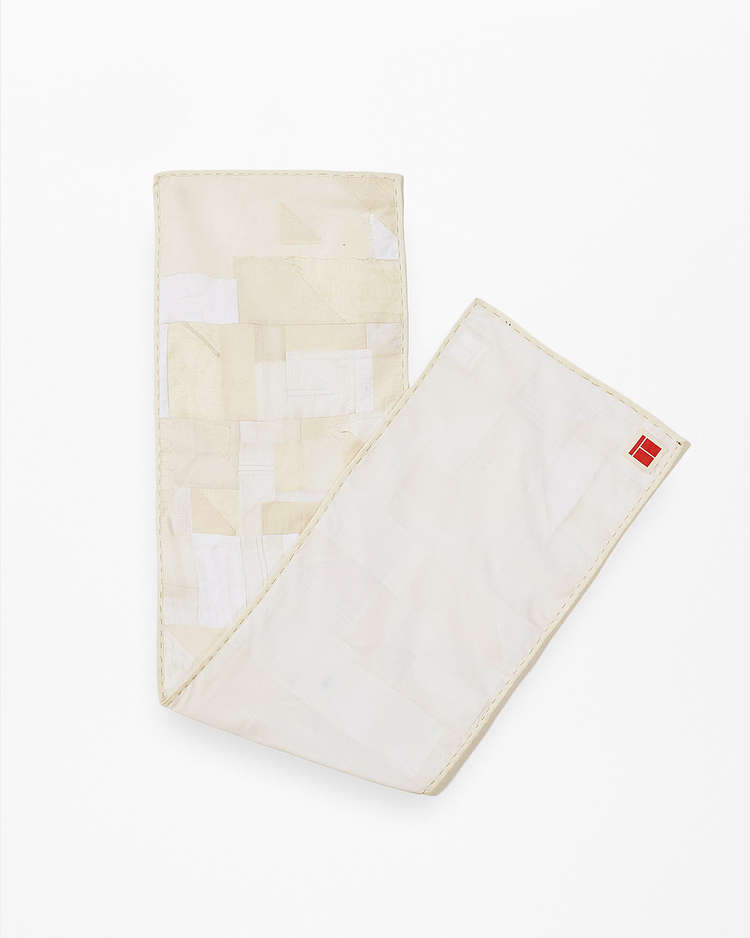
A damaged quilt may contain sections that are still beautiful. Salvage those areas for throw pillows, a bench cushion, framed textile art, or the seat of a small chair. A complete quilt can also serve as a soft headboard or large-scale wall hanging, adding pattern without permanent wallpaper.
17. Calendars Became a Gallery Wall
Art calendars often contain illustrations or photographs worthy of framing. Select pages with a shared theme, trim them carefully, and place them in inexpensive matching frames with generous mats. The result can look like a curated print collection rather than evidence that you forgot to recycle last year’s calendar.
18. Wallpaper Scraps Became Decorative Accents
Leftover wallpaper can transform drawer fronts, shelf backs, lampshades, storage boxes, and picture mats. Small pieces can be framed as art or cut into coasters. When using wallpaper on furniture, prepare the surface thoroughly and apply the paper smoothly so bubbles and lifting edges do not spoil the effect.
19. Broken Dishes Became a Mosaic Table
Colorful pieces from chipped plates and cracked ceramics can form a mosaic on a tray, planter, stepping stone, or recessed tabletop. Arrange the pieces before applying adhesive or mortar, leaving consistent spaces for grout. Wear gloves and eye protection when breaking or trimming ceramics because artistic inspiration is less charming when accompanied by a trip to urgent care.
20. Window Shutters Became a Room Divider
Several salvaged shutters can be connected with hinges to create a folding screen. A single shutter may function as a mail organizer, photo display, wall shelf, or decorative backdrop. Clean old shutters thoroughly, and test painted surfaces for lead before sanding pieces from older buildings.
21. Candle Jars Became Bathroom Canisters
Once the remaining wax and wick base are removed, attractive candle jars can store cotton swabs, bath salts, hair accessories, or small office supplies. Matching jars create an orderly display, while assorted vessels produce a relaxed, collected look. Avoid using decorative containers for food unless their materials are known to be food-safe.
22. Egg Cartons Became Botanical Wall Art
Cardboard egg cups can be cut, shaped, and painted to resemble flower petals. Layer several pieces around a button, bead, or rolled-paper center, then arrange the flowers inside a shadow box or on a wreath. This lightweight project is inexpensive, easy to customize, and much more glamorous than its grocery-store origin suggests.
23. Damaged Books Became a Side Table
Books that are incomplete, water-damaged, or beyond repair can be stacked around a central support to create a small pedestal or side table. Another option is to hollow a damaged volume for discreet storage. Valuable, readable, or historically meaningful books should remain intact; upcycling is not an excuse to attack a first edition with a power drill.
24. Old Tires Became Outdoor Ottomans
A thoroughly cleaned tire can form the base of an outdoor ottoman or planter. Cover both openings with securely attached wood, wrap the exterior with weather-resistant rope, and add a removable cushion. Keep the finished project outdoors or in a well-ventilated utility area, and do not place tires near open flames or intense heat.
25. Wooden Pallets Became Vertical Gardens
A sound wooden pallet can support small plant containers, gardening tools, or decorative shelves. It may also become a rustic coffee table after careful sanding and reinforcement. Use pallets marked “HT,” indicating heat treatment, and avoid wood with chemical-treatment markings, unknown spills, strong odors, or visible contamination.
How to Make Upcycled Decor Look Intentional
The difference between impressive sustainable home decor and random clutter usually comes down to editing. A repurposed object should relate to its surroundings through color, material, scale, or function. For example, three painted jars displayed together appear deliberate, while 17 unrelated containers scattered across a countertop may resemble a very polite recycling center.
Repeat one finish across several pieces to create unity. Black paint can connect mismatched frames, while natural wood tones can help crates, ladders, and cutting boards coexist. Preserve some signs of age, but remove grime, repair unstable joints, and seal surfaces when necessary. Patina adds character; sticky residue adds regret.
It is also important to know when a transformation requires professional assistance. Plumbing modifications, electrical wiring, heavy wall installations, and structural furniture changes can create serious hazards when performed incorrectly. Creative reuse should make a home more enjoyable, not introduce a sink that slowly descends through the bathroom floor.
Experience-Based Lessons From Realistic Upcycling Projects
The most common experience in an upcycling project is not a cinematic flash of inspiration. It is standing in a garage while holding an old object and wondering whether it is brilliant material or simply trash with excellent public relations. The answer usually becomes clearer after considering three questions: Is it structurally sound? Does it solve a real decorating or storage problem? Can it be finished in a way that suits the room?
Beginners often choose projects based only on appearance. A vintage suitcase may look wonderful online, but one with a collapsing lid and a mysterious basement fragrance is not yet a side table. Successful transformations begin with cleaning, inspection, and repair. Hardware is tightened, rough edges are sanded, odors are treated, and old finishes are evaluated before decorative work begins.
Another frequent lesson involves preparation. Paint does not hide grease, loose varnish, rust, or peeling layers for long. A rushed project may look impressive for one photograph and begin flaking before the weekend is over. Washing, degreasing, sanding, priming, and allowing finishes to cure are not glamorous steps, but they determine whether the result feels handcrafted or temporarily disguised.
Scale can also surprise first-time DIY decorators. A tiny object may disappear on a large wall, while an oversized ladder can overwhelm a narrow hallway. Measuring the available space before starting prevents an enthusiastic afternoon from ending with a six-foot shutter screen that blocks the front door. Painter’s tape is useful for marking the intended dimensions on a wall or floor before construction begins.
Color decisions tend to improve when they are connected to something already in the room. Instead of choosing a fashionable shade in isolation, pull a color from a rug, pillow, artwork, or cabinet finish. This creates a relationship between the new project and the existing decor. Neutral colors are not mandatory, but repetition makes even bold choices look deliberate.
Many people also discover that one strong upcycled object is more effective than a room packed with them. A dresser vanity can anchor a bathroom without requiring jar sconces, pallet shelves, suitcase storage, and a tire ottoman to join the party. Mixing repurposed decor with modern furniture and simple accessories gives each handmade piece enough visual space to be appreciated.
Projects involving sentimental objects require extra caution. An heirloom quilt, handwritten recipe book, or family suitcase may be emotionally irreplaceable. Before cutting, drilling, painting, or permanently modifying such an item, create a reversible plan or practice on a less meaningful object. Taking photographs and preserving labels, signatures, or maker’s marks can also protect part of the item’s history.
Finally, the best transformations usually remain useful. A beautiful object that constantly falls over, blocks a walkway, or requires complicated maintenance will eventually become clutter again. Strong upcycled decor combines imagination with everyday convenience. It should hold the blankets, support the plant, illuminate the corner, organize the mail, or display the artwork without demanding constant supervision.
That practical balance is what makes ordinary-item makeovers so satisfying. The finished piece carries evidence of its former life, yet it now serves the home in a completely different way. It is affordable, personal, resourceful, and difficult to duplicate. Most importantly, it proves that good decorating sometimes begins not with a shopping cart, but with the decision to look twice before throwing something away.
Conclusion
These 25 ordinary items transformed into incredible decor because someone looked beyond their original purpose. Jars became vases, ladders became storage, quilts became art, and damaged furniture found useful new roles. The most effective trash-to-treasure projects do not disguise an object completely. They preserve its strongest features while giving it a function that fits modern life.
Start with one manageable project, use materials that are safe and structurally sound, and allow enough time for proper preparation. You may not turn every discarded object into a masterpiece, but you will begin seeing your home differently. Suddenly, the recycling bin looks less like a final destination and more like a slightly chaotic craft-supply department.
Note: Inspect salvaged materials for mold, pests, chemical contamination, sharp edges, unstable construction, and hazardous old finishes. Use qualified help for electrical, plumbing, or load-bearing modifications.
Research note: This original article synthesizes established upcycling, thrifted-decor, and furniture-repurposing practices covered by leading U.S. home and lifestyle publications, including HGTV, Better Homes & Gardens, Architectural Digest, Martha Stewart, Good Housekeeping, Apartment Therapy, Southern Living, Real Simple, Bob Vila, and Lowe’s.