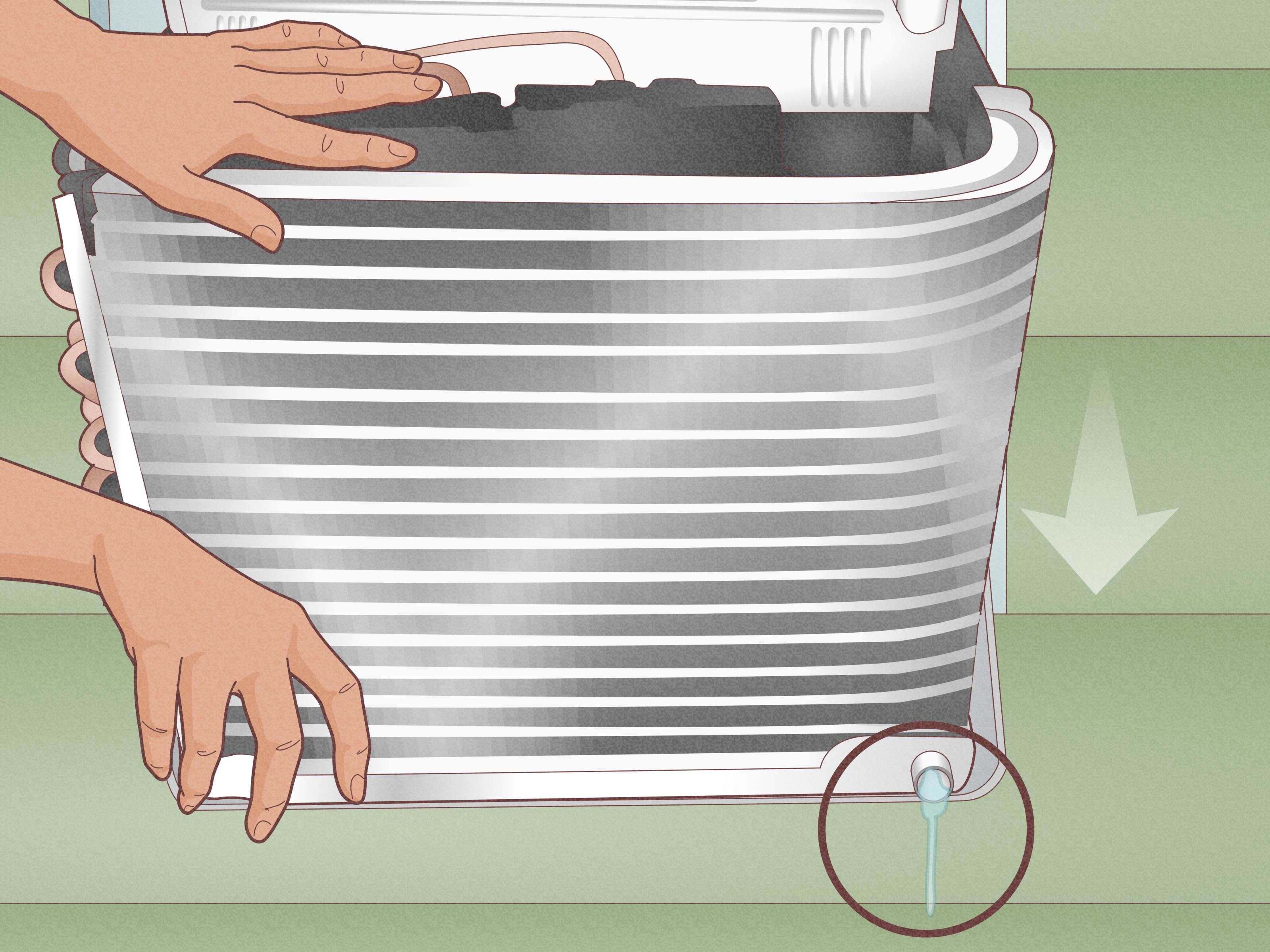
An air conditioner leaking water inside is one of those home problems that starts quietly and ends dramatically. One minute your AC is humming along like a loyal summer hero; the next, there is a suspicious puddle on the floor, a damp ceiling stain, or water dripping from a vent like your house decided to develop indoor weather.
The good news? In many cases, an AC leaking water indoors is caused by something simple: a clogged condensate drain line, a dirty air filter, a frozen evaporator coil, a cracked drain pan, or poor installation. The less-good news? Ignoring it can lead to water damage, mold growth, ruined drywall, and an HVAC repair bill that makes your wallet fan itself.
This guide explains how to fix an air conditioner leaking water inside using eight practical tips. You will learn what to check first, what you can safely do yourself, and when it is time to call a licensed HVAC technician. Whether you have a central air conditioner, heat pump, air handler, window unit, or ductless mini split, the same basic rule applies: water needs a clean, correct path out of the system. When that path is blocked, broken, frozen, or tilted the wrong way, the water comes inside. Rude? Yes. Fixable? Usually.
Why Is My Air Conditioner Leaking Water Inside?
Air conditioners do more than cool the air. They also remove humidity. Warm indoor air passes over the cold evaporator coil, moisture condenses into water, and that water should drip into a condensate drain pan. From there, it flows through a drain line to a safe location outside or into a household drain.
When everything works correctly, you may never notice this process. When something goes wrong, that hidden water becomes very noticeable. Common causes include a clogged AC drain line, dirty air filter, frozen evaporator coil, damaged condensate pan, faulty condensate pump, poor unit leveling, disconnected drain pipe, or low refrigerant. The exact fix depends on the cause, so the first step is to slow down and diagnose the problem instead of attacking the AC with random tools like a villain in a home-improvement sitcom.
Safety First: What to Do Before Touching the AC
Before inspecting an air conditioner leaking water inside, turn the system off at the thermostat. If water is near electrical components, outlets, wiring, or the air handler cabinet, shut off power at the breaker as well. Water and electricity are not friends; they are not even polite acquaintances.
Place towels, a bucket, or a wet/dry vacuum near the leak to control active water. If the ceiling is bulging, staining, or dripping, do not poke it casually unless you are prepared for a surprise indoor waterfall. Protect the floor, move furniture, and dry wet materials quickly. Damp drywall, carpet, wood, and insulation should be dried within 24 to 48 hours whenever possible to reduce the chance of mold growth.
How to Fix an Air Conditioner Leaking Water Inside: 8 Tips
1. Turn Off the AC and Find the Source of the Leak
The first tip is also the most important: stop the system and locate where the water is coming from. Is it leaking from the indoor air handler? Dripping from a ceiling vent? Pooling around a window AC? Running down the wall under a ductless mini split? Each location points to a different likely cause.
If water is around the indoor unit, inspect the condensate drain pan and drain line. If water drips from vents, check for duct condensation, poor insulation, frozen coils, or airflow problems. If a window unit leaks inside, it may be dirty, clogged, or tilted incorrectly. If a mini split leaks from the front panel, the drain hose may be clogged, kinked, or incorrectly sloped.
Do not restart the AC immediately just to “see what happens.” What happens may be more water. Instead, wipe up the area, inspect carefully, and take a few photos. Pictures help if you need to explain the issue to an HVAC technician later.
2. Check and Replace the Air Filter
A dirty air filter is one of the simplest reasons an air conditioner leaks water inside. When the filter is clogged, airflow through the system drops. Poor airflow can cause the evaporator coil to get too cold and freeze. Later, when the ice melts, the drain pan may overflow, and suddenly your AC is leaking water like it just heard sad music.
Find the return air filter near the return grille, air handler, or furnace cabinet. Slide it out and inspect it. If it looks gray, dusty, matted, or old enough to have its own memories, replace it. Most homes need a new filter every one to three months, but homes with pets, heavy AC use, dust, wildfire smoke, or allergy concerns may need changes more often.
Use the correct filter size and avoid forcing a high-MERV filter into a system that cannot handle the airflow resistance. A filter that is too restrictive can create airflow problems even when it is brand new. If you are unsure, check your HVAC manual or ask a technician what filter rating is appropriate for your system.
3. Unclog the Condensate Drain Line
A clogged condensate drain line is probably the most famous cause of an AC leaking water inside. Over time, algae, dust, dirt, rust flakes, and slime can collect in the drain pipe. When the line blocks, water backs up into the drain pan and overflows.
Look for a white PVC pipe near your indoor air handler. Many systems have a small access cap or cleanout tee. If the pan has standing water or the drain line looks backed up, you may be dealing with a clog.
Here is a common homeowner-friendly method:
- Turn off the AC and power to the indoor unit.
- Locate the outdoor end of the condensate drain line.
- Attach a wet/dry vacuum hose to the end of the line.
- Seal the connection with a rag or tape.
- Run the vacuum for a minute or two to pull out the clog.
- Check whether water begins to drain freely.
After clearing the clog, you can flush the line through the access point with clean water. Some homeowners use distilled white vinegar periodically to discourage algae buildup, but avoid harsh chemical drain cleaners unless your HVAC professional says they are safe for your specific system. Drain lines are often PVC, and aggressive chemicals can damage components or create fumes.
4. Clean the Drain Pan
The condensate drain pan catches water from the evaporator coil before sending it into the drain line. If the pan is full of sludge, algae, dust, or debris, water may overflow even if the drain line is only partly blocked.
With the AC off, inspect the pan under the coil or inside the air handler cabinet. In many systems, access is limited, so do not force panels open if you are unsure. If you can safely reach the pan, remove standing water with towels or a wet/dry vacuum. Then wipe away buildup with a cloth.
A dirty drain pan is more than a leak problem. It can also create musty odors and encourage microbial growth. If the pan is slimy, rusty, or unpleasant enough to make you question your life choices, clean it thoroughly and monitor it during the next cooling cycle.
If water immediately returns and does not drain, the clog may be deeper in the line. If the pan is clean but water still leaks from a crack, seam, or rusted area, move to the next tip.
5. Inspect the Drain Pan for Cracks, Rust, or Damage
An older air conditioner can develop a cracked or corroded drain pan. Metal pans may rust over time, especially in humid climates. Plastic pans can crack from age, heat, vibration, or improper support. When the pan is damaged, water escapes before it ever reaches the drain line.
Use a flashlight to inspect the pan for visible cracks, holes, rust stains, or water trails. A secondary drain pan under an attic air handler should also be checked. If the emergency pan is full, the primary drain system is not doing its job.
Small cracks may seem tempting to patch with sealant, but a patch is usually temporary. The better solution is to replace the damaged pan. This can be a professional repair because the evaporator coil may need to be lifted or removed to access the pan properly.
If your air handler is in the attic, a working secondary drain pan and float switch are especially important. A float switch shuts the system off when water rises too high, helping prevent ceiling damage. If your system does not have one, ask an HVAC technician about adding it. It is a small device that can save you from a very expensive drywall opera.
6. Thaw a Frozen Evaporator Coil
A frozen evaporator coil often leads to indoor water leaks. When the coil freezes, ice builds up inside the air handler. When that ice melts, the drain pan may not handle the sudden rush of water. The result: puddles, dripping, and confusion.
Signs of a frozen coil include weak airflow, warm air from vents, ice on refrigerant lines, water around the indoor unit, and the AC running without cooling well. If you suspect a frozen coil, turn the cooling mode off. You can set the fan to “on” to help thaw the coil faster, but only if the system is safe and not leaking onto electrical components. Place towels nearby and prepare for melting water.
After the coil thaws, do not simply restart the AC and hope the problem has packed its bags. Find out why it froze. Common reasons include a dirty air filter, blocked return vents, dirty evaporator coil, low refrigerant, blower motor problems, or restricted ductwork. Replacing a clogged filter may solve a simple airflow issue. Low refrigerant, however, requires a certified professional. Refrigerant systems are sealed, and adding refrigerant without repairing a leak is not a real fix.
7. Check the Condensate Pump and Float Switch
Some air conditioners cannot drain condensate by gravity alone. Instead, they use a condensate pump to move water to a drain, sink, utility line, or outdoors. If the pump fails, the reservoir fills and water spills out around the indoor unit.
Look for a small pump box near the air handler or furnace. If it is full of water, unplugged, buzzing, clogged, or not pumping, it may be the culprit. Make sure it has power and that the discharge tubing is not kinked or blocked. Some pumps have a safety switch that shuts the AC off when the pump reservoir fills. If your system stopped cooling and water is present, the switch may be doing its job.
You can clean debris from the pump reservoir if the design allows easy access, but do not disassemble electrical components unless you know what you are doing. Replace a failed pump promptly. A condensate pump is not glamorous, but neither is a soaked basement floor.
8. Check Unit Level, Installation, and Duct Condensation
Sometimes an air conditioner leaks water inside because water is flowing the wrong direction. Window air conditioners should be installed so condensate drains outward, not into the room. Many units need a slight rearward tilt, but always follow the manufacturer’s installation instructions. If your window AC leaks indoors after installation, check the angle, side panels, drain holes, and outdoor clearance.
For central systems, poor installation can cause the evaporator coil, drain pan, or drain line to slope incorrectly. A condensate line should generally slope downward toward the drain. If it sags, runs uphill, or has a trap installed incorrectly, water can back up.
Water dripping from vents may also be duct condensation rather than a drain pan leak. This often happens when cold ducts pass through hot, humid spaces such as attics, crawl spaces, or garages. If duct insulation is missing or damaged, moisture can condense on the duct surface and drip through ceiling registers. Improving insulation, sealing duct leaks, reducing indoor humidity, and correcting airflow problems can help.
When Should You Call an HVAC Technician?
Some AC water leaks are easy to fix. Others are warning signs of a deeper problem. Call a licensed HVAC technician if the leak continues after you replace the filter and clear the drain line, if the evaporator coil keeps freezing, if you see refrigerant line ice, if the drain pan is cracked, if the condensate pump fails, or if water is near electrical components.
You should also call a pro if your system is newly installed and leaking. New equipment should not dump water indoors, and the cause may be improper leveling, drain design, duct setup, or installation error. The sooner it is corrected, the better.
Never try to recharge home AC refrigerant yourself. Residential cooling systems require proper tools, leak repair, pressure testing, and certified handling. If a technician says your system is “low on refrigerant,” ask where the leak is and how it will be repaired. A sealed system does not consume refrigerant like gasoline in a car.
How to Prevent Your AC from Leaking Water Again
Once the leak is fixed, prevention becomes the hero of the story. Replace or clean filters regularly. Keep return vents open and unblocked. Schedule seasonal HVAC maintenance before the hottest months. Ask the technician to inspect the evaporator coil, drain pan, condensate line, float switch, pump, and blower operation.
Pouring approved maintenance solution into the condensate line at intervals may help reduce algae buildup, but follow your HVAC contractor’s advice. In humid climates, consider a maintenance plan because condensate systems work hard for months at a time. A little attention in spring can prevent a soggy surprise in July.
Also pay attention to early warning signs. A musty smell, damp air, water stains, weak airflow, repeated AC shutdowns, or gurgling from the drain line can all suggest drainage trouble. Your AC usually whispers before it screams. Listen early, and your floors will thank you.
Specific Examples: What Different Leaks Usually Mean
Water Around the Indoor Air Handler
This usually points to a clogged condensate drain, cracked drain pan, frozen evaporator coil, or failed condensate pump. Start with the filter and drain line, then inspect the pan and pump.
Water Dripping From a Ceiling Vent
This may be duct condensation, poor duct insulation, a frozen coil, or an attic air handler leak. Check whether nearby ducts are sweating and whether the attic unit’s emergency pan has water in it.
Window AC Leaking Inside
A window unit may be tilted incorrectly, dirty, blocked, or unable to drain outdoors. Turn it off, clean the filter, inspect the drain path, and confirm the unit is installed according to the manual.
Ductless Mini Split Leaking Down the Wall
A mini split often leaks because the drain hose is clogged, kinked, disconnected, or not sloped properly. Dirty filters and frozen coils can also cause dripping. Clean the filters first, then call a technician if the drain hose is hidden inside the wall.
Common Mistakes to Avoid
Do not keep running the AC while it is leaking. You may turn a small drain issue into damaged flooring, stained ceilings, or mold. Do not ignore repeated freezing. Ice is not a feature. Do not pour harsh drain cleaner into the condensate line without professional approval. Do not assume water around the AC is “normal condensation” if it is indoors. Condensation is normal; indoor puddles are not.
Also avoid closing too many supply vents in an attempt to “push” more cold air to other rooms. That can increase pressure and reduce airflow, making coil freezing more likely. Your HVAC system is designed for balanced airflow, not for a household game of vent whack-a-mole.
Experience-Based Notes: What Homeowners Learn the Hard Way
After dealing with an air conditioner leaking water inside, many homeowners become surprisingly passionate about condensate drains. Nobody dreams of becoming a drain-line detective, but one leak can change a person. The most common lesson is that small maintenance habits matter more than heroic emergency repairs. Replacing a dirty filter takes five minutes. Cleaning up a soaked ceiling can take weeks.
One practical experience is that AC leaks often appear during the hottest, most humid stretch of summer. That is when the system runs longer, removes more moisture, and sends more water through the condensate line. If the drain has been quietly collecting algae and dust since last season, heavy summer use exposes the problem. This is why spring maintenance is so useful. It catches clogs before your living room develops a reflective pond.
Another common experience is that the leak location can be misleading. Water may travel along pipes, ducts, framing, or insulation before it finally drips. A stain on the ceiling below a vent does not always mean the vent itself is the problem. The real source may be an attic air handler several feet away. This is why tracing the water path matters. Follow stains, wet insulation, rust marks, and drip trails instead of guessing from the first visible puddle.
Homeowners also learn that a wet/dry vacuum is worth its storage space. When a condensate drain line clogs, a wet/dry vacuum attached to the outdoor drain termination can sometimes pull out a surprising amount of sludge. It is not pretty. It is not dinner conversation. But it can restore drainage quickly when the clog is near enough to remove. Still, if the clog returns often, the system may need a better cleanout, improved drain slope, or professional treatment.
A repeated leak usually means the first repair did not address the root cause. For example, clearing the drain line helps, but if the evaporator coil keeps freezing because of poor airflow, water will return. Replacing the filter helps, but if the blower motor is weak, the coil may still ice up. Cleaning the pan helps, but if the pan is cracked, water will continue to escape. The goal is not just to stop today’s puddle; it is to understand why the puddle happened.
People with attic HVAC systems often become the strongest believers in float switches. A float switch is boring until it saves your ceiling. When water rises in the drain pan, the switch shuts off the AC before the overflow becomes a disaster. Yes, the house may get warm temporarily, but warm air is easier to fix than collapsed drywall. If your air handler sits above finished living space, ask your HVAC technician whether your system has proper overflow protection.
Finally, the best experience-based advice is simple: act quickly. Turn the system off, contain the water, dry the area, and diagnose the cause. Do not wait for “one more cycle” to see if it clears up. Air conditioners are excellent machines, but they do not heal themselves with positive thinking. A small leak handled today can remain a small repair. A small leak ignored for two weeks can become flooring damage, mold cleanup, insulation replacement, and a very dramatic conversation with your bank account.
Conclusion
An air conditioner leaking water inside is not something to ignore, but it is also not a reason to panic. Most indoor AC leaks come from drainage problems, airflow restrictions, frozen coils, damaged pans, faulty pumps, or installation issues. Start safely: turn off the AC, contain the water, and identify where the leak is coming from. Then work through the basics: replace the air filter, clear the condensate drain line, clean the drain pan, inspect for cracks, thaw frozen coils, check the condensate pump, and confirm proper leveling or duct insulation.
If the fix is simple, great. If the leak returns, the coil freezes, the pan is damaged, or refrigerant may be involved, call a licensed HVAC technician. A professional can test the system, correct drainage, repair leaks, and make sure the AC is operating safely and efficiently. Your home should feel cool and comfortablenot like it is auditioning for a role as a splash pad.