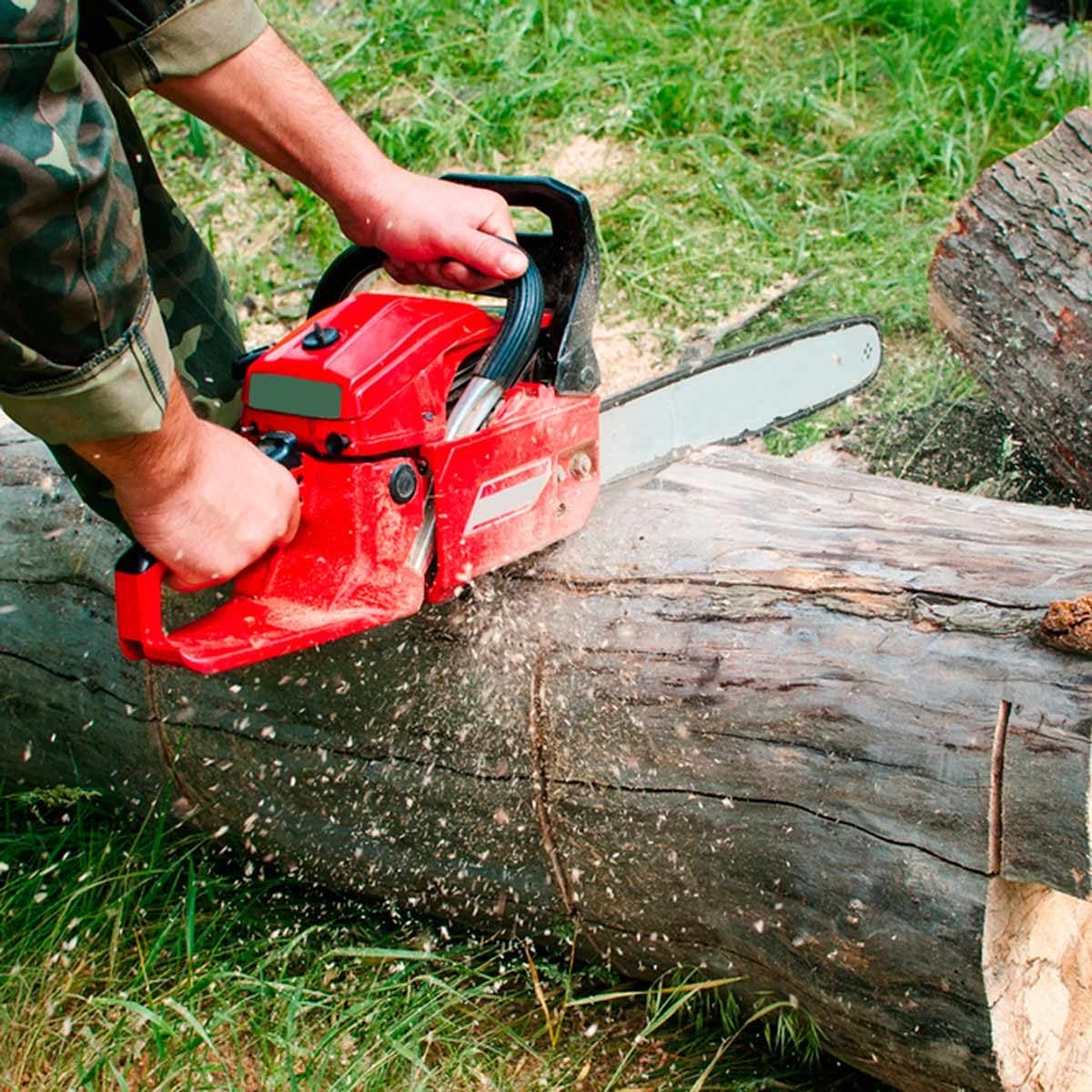
A chainsaw can turn a stubborn log into neat firewood before lunch. Treat it poorly, however, and it may transform into an expensive smoke machine with teeth. The good news is that most chainsaw problems do not arrive mysteriously. They begin with ordinary mistakes: a loose chain, stale fuel, clogged air passages, missing lubrication, or the classic “I’ll fix it properly next weekend” maintenance plan.
Proper chainsaw maintenance improves cutting performance, reduces unnecessary wear, and helps the saw’s built-in safety features work as designed. It also matters to the person holding the handles. Kickback can occur when the upper portion of the guide-bar nose contacts an object or becomes pinched, rapidly driving the bar toward the operator. A chain brake, low-kickback components, correct technique, and a well-maintained cutting system help reduce that hazard.
Whether you own a gas, corded, or battery-powered model, the following nine chainsaw mistakes deserve permanent placement on your “absolutely not” list.
1. Never Operate a Chainsaw With Incorrect Chain Tension
Chainsaw chain tension is not a minor adjustment reserved for people who enjoy organizing socket sets. It directly affects cutting performance, bar wear, heat generation, and the likelihood of the chain leaving the guide bar.
A chain that is too loose can sag beneath the bar, slap against components, cut poorly, or derail. A chain that is too tight creates excess friction and may prevent the chain from moving freely. It can also overheat the bar, chain, clutch, sprocket, or motor.
How to recognize proper tension
On many saws, a correctly tensioned chain sits snugly against the underside of the bar while still being movable by a gloved hand when the power source is disconnected. The drive links should remain engaged in the bar groove when the chain is gently lifted. Exact procedures vary, so always follow the instructions for your model.
Check tension before beginning work and periodically while cutting. A new chain often stretches during its first period of use, while heat can change the way a chain fits the bar. If the chain loosens, stop the saw, allow hot components to cool, and readjust it rather than attempting an exciting mid-cut experiment. Manufacturer and extension guidance consistently identifies correct tension as a basic requirement for safe operation and preventive maintenance.
2. Never Keep Cutting With a Dull or Damaged Chain
A sharp chainsaw chain pulls itself steadily through wood and produces chips. A dull chain produces fine dust, cuts slowly, wanders, vibrates, or requires you to press down like you are trying to flatten the tree through determination alone.
Continuing to use a dull chain increases operator fatigue and places additional load on the engine or electric motor. The extra pressure can also reduce control. If the saw begins cutting toward one side, unevenly sharpened or damaged cutters may be responsible.
Inspect before sharpening
Do not automatically file every questionable chain and call it rescued. Look for cracked cutters, bent drive links, loose rivets, broken tie straps, stiff sections, excessive wear, and heat damage. A structurally damaged chain should be professionally repaired when appropriate or replaced.
When sharpening, use the file diameter, filing angle, depth-gauge setting, and technique specified for that chain. Keep cutter lengths balanced on both sides. Randomly attacking the teeth with whichever file happens to be nearby can produce an aggressive, uneven chain that cuts badly and may increase reactive forces. Oregon, Husqvarna, and university extension resources emphasize inspection, correct sharpening specifications, and replacement of damaged components rather than improvisation.
3. Never Run the Bar and Chain Without Proper Lubrication
The cutting chain travels around the guide bar at high speed. Without a steady supply of bar and chain oil, friction generates heat and rapidly wears the rails, sprocket nose, drive links, and cutters. In severe cases, the chain can seize or suffer damage that makes continued operation unsafe.
Fill the chain-oil reservoir with the lubricant recommended by the manufacturer. Check the level frequently, ideally whenever you refuel a gas saw or change batteries during an extended job. Also inspect the oil outlet, guide-bar holes, and bar groove. A full reservoir cannot help much when its delivery passage is packed with oily sawdust that has achieved the consistency of driveway sealant.
Do not substitute used motor oil
Used engine oil may contain contaminants and metal particles, lacks the tackiness of proper bar lubricant, and can damage the pump, bar, and chain. Some manufacturers permit a specific temporary substitute under limited conditions, but that does not make leftover oil from the family sedan a universal chainsaw elixir.
Use purpose-made bar and chain oil unless your owner’s manual states otherwise. After cleaning, confirm that the oil holes and oiler passage are open. Insufficient lubrication is a major cause of premature cutting-system wear.
4. Never Guess About Fuel or Use an Old Gas-Oil Mixture
Most modern gasoline chainsaws use two-stroke engines that require gasoline mixed with an approved two-cycle oil at a manufacturer-specified ratio. Straight gasoline does not provide the internal lubrication these engines need. An incorrect mixture can cause poor running, excessive deposits, overheating, smoke, or serious engine damage.
Do not copy a ratio from your neighbor’s vintage saw, a faded fuel can, or a forum post written by someone named “TimberBeast92.” Read the manual for your exact model. Many current saws use a 50:1 mixture, but older or specialized equipment may require something different.
Fresh fuel matters
Pump gasoline deteriorates during storage, and ethanol-containing fuel can contribute to fuel-system problems when mishandled or left sitting. STIHL recommends avoiding fuel older than 60 days and preferably using it within 30 days, while ECHO manuals commonly advise mixing only what can be consumed within 30 days, or within a longer stated period when the correct stabilizer is used.
Mix fuel in an approved container, label it clearly, keep dirt and moisture out, and follow the manufacturer’s ethanol limit. Refuel only after shutting down the saw and allowing it to cool. Wipe up spills and move away from the fueling area before restarting. Battery and corded saw owners may skip fuel mixing, but they should still avoid damaged batteries, incompatible chargers, wet electrical connections, and overheated extension cords.
5. Never Ignore the Air Filter, Cooling System, or Exhaust Screen
A chainsaw works in a blizzard of sawdust, bark particles, pollen, and dirt. Eventually, some of that material tries to move into the engine compartment and establish permanent residency.
A clogged air filter restricts airflow and can cause hard starting, reduced power, poor throttle response, increased fuel use, or an overly rich fuel mixture. Blocked cooling fins and dirty air intakes may contribute to overheating. A restricted spark-arrestor screen can also reduce performance.
Cleaning does not mean destroying
Inspect the air filter at the frequency specified in the manual and more often in dusty conditions. Use the recommended cleaning method because filter materials differ. Aggressive compressed air, harsh solvents, wire brushes, or enthusiastic screwdriver poking can tear a filter and allow abrasive debris into the engine.
Clean the exterior, starter air intake, cooling passages, carburetor compartment, and spark-arrestor area as directed. Replace damaged filters rather than attempting to patch them with tape. A clean engine breathes and cools more effectively, while a dirty one tends to communicate through hard starting and increasingly expensive noises.
6. Never Disable or Ignore Chainsaw Safety Features
The chain brake, front hand guard, chain catcher, throttle lockout, stop switch, rear hand guard, anti-vibration components, and low-kickback cutting parts are not decorative accessories. They are engineered to reduce specific hazards or limit the consequences of a malfunction.
Never tie back a throttle lockout, remove a tip guard where one is required, bypass a switch, operate with a broken chain catcher, or continue using a chain brake that does not engage and release correctly. OSHA guidance calls for gasoline-powered chainsaws to have a protective device that minimizes kickback, and manufacturer maintenance schedules require regular inspection of the brake and related components.
Test before the first cut
Before use, inspect the chain brake, throttle controls, stop switch, handles, fasteners, chain catcher, and anti-vibration mounts according to the manual. Look for fuel leaks, missing screws, cracked plastic, loose handles, and damaged guards.
A chain brake does not make careless tip contact safe, nor does a low-kickback chain eliminate kickback. Safety systems are backups, not permission slips. Combine working components with two-handed control, stable footing, appropriate protective equipment, and deliberate cutting technique.
7. Never Force the Saw, Twist the Bar, or Cut With the Nose Carelessly
A properly sharpened, correctly tensioned saw should cut with controlled guidance rather than heavy downward force. Forcing it can bend or pinch the bar, overheat the cutting system, increase fatigue, and make a sudden breakthrough harder to control.
Do not use the guide bar as a pry bar. If the wood begins closing around the cut, stop and address the compression with proper cutting techniques, wedges, or a revised plan. Twisting the powerhead to free a trapped bar can damage the rails and may trigger an abrupt reaction when the bar releases.
Respect the kickback zone
The upper quadrant of the guide-bar nose is commonly called the kickback zone. Contact there can drive the bar upward and backward with little warning. Keep the nose visible, avoid plunging or bore cuts unless trained, and never reach around an obstruction with the bar tip hidden.
Also keep the chain away from soil, rocks, fencing, nails, wire, and concrete. A brief touch to the ground can dull several cutters instantly. Before cutting reclaimed wood, fence posts, or storm debris, inspect for metal. Do not cut above shoulder height with a conventional chainsaw; control deteriorates while the danger zone moves uncomfortably close to your head.
8. Never Perform Maintenance While the Saw Can Start
Before touching the chain, guide bar, sprocket, clutch area, or oiler, shut down the machine and isolate its power source. On a battery saw, remove the battery. Unplug a corded model. For a gasoline saw, switch off the engine and disconnect the spark-plug boot when the manual or repair procedure calls for it.
Wait for hot components to cool, engage the chain brake when appropriate, and wear cut-resistant work gloves while handling the chain. Even a stationary chain has sharp cutters and is fully capable of making maintenance memorable.
Do not improvise structural repairs
Use the correct replacement chain, bar, sprocket, fasteners, and safety components. Chain pitch, gauge, drive-link count, bar mount, and sprocket compatibility must match. Installing whatever “looks close enough” can cause poor engagement, derailment, accelerated wear, or component failure.
Know where homeowner maintenance ends. Routine cleaning, chain adjustment, and sharpening may be manageable with proper instructions. Brake-system repairs, fuel leaks, damaged crankcases, clutch problems, electrical faults, and structural damage often belong with an authorized technician. Oregon’s sharpening guidance specifically instructs users to turn the saw off, verify chain specifications, wear protection, and inspect for damage before beginning maintenance.
9. Never Put a Dirty, Wet, or Poorly Prepared Chainsaw Into Storage
Parking a saw immediately after the last cut preserves a surprisingly complete mixture of sap, sawdust, oil, moisture, and wood fibers inside the clutch cover and bar groove. Given enough time, that mixture can block oil passages, encourage corrosion, harden around moving parts, and make the next starting attempt unnecessarily dramatic.
Allow the saw to cool. Remove accumulated debris from the exterior, sprocket area, guide-bar groove, oil holes, cooling passages, and air filter using methods approved by the manufacturer. Inspect the chain, bar, starter rope, controls, and fasteners. Many manufacturers recommend periodically turning the guide bar over to promote more even rail wear.
Prepare the power system for long-term storage
For a gas saw, follow the manufacturer’s fuel-storage procedure. Depending on the fuel and model, this may involve draining standard fuel, running the system dry, or using an approved premixed storage fuel. Do not simply leave aging pump gasoline in the tank for several seasons.
For a battery saw, remove the battery and store it at the charge level, temperature, and location recommended by its manufacturer. Keep batteries away from moisture, metal objects, direct sunlight, and extreme temperatures.
Fit the guide-bar scabbard, store the saw in a dry, secure, well-ventilated place, and keep it away from children and unauthorized users. Do not hang it where leaking oil can decorate the wall, and do not leave it uncovered on a damp garage floor as an offering to the corrosion gods.
A Simple Chainsaw Maintenance Routine
You do not need to rebuild the engine after every branch. A short routine prevents many common chainsaw problems:
- Before use: Inspect controls, safety features, fasteners, chain condition, tension, lubrication, fuel or battery condition, and visible damage.
- During use: Watch chain tension, oil consumption, cutting behavior, engine temperature, unusual vibration, and changes in sound.
- After use: Allow the saw to cool, remove debris, inspect the bar and chain, clean accessible oil passages, and prepare it for storage.
- Periodically: Sharpen or replace the chain, dress bar-rail burrs if permitted, rotate the bar, clean the filter and cooling system, inspect the sprocket, and arrange professional service when needed.
Your owner’s manual remains the controlling reference because maintenance intervals, fuel requirements, chain specifications, and adjustment procedures vary among models.
Lessons From the Woodpile: Common Chainsaw Experiences
The value of these rules becomes clearer when they are translated from manual language into what operators commonly experience during real cutting jobs.
The chain that “only needed one more cut”
A typical weekend begins with a chain that feels slightly dull. The operator plans to sharpen it after finishing one log. Ten cuts later, the saw is producing dust, the bar is getting hot, and every cut requires body weight. What should have been a five-minute sharpening break becomes an exhausting hour of slow work.
The lesson is simple: performance changes are diagnostic information. When a saw stops feeding smoothly, begins wandering, or produces fine dust instead of chips, continuing is rarely efficient. Stopping early protects the equipment and usually finishes the job faster.
The mysteriously disappearing chain oil
Another familiar situation involves an oil tank that appears full while the bar remains dry. The owner adds more oil, creating an impressive reservoir and no actual lubrication. After the clutch cover comes off, the cause is obvious: the outlet and bar hole are packed with compacted debris.
This is why cleaning must involve the oil path, not merely wiping the top cover until the saw looks photogenic. Lubricant has to reach the guide bar before it can do useful work.
The saw that runs perfectly after receiving fresh fuel
A gas chainsaw may start poorly in spring, stall under load, or refuse to accelerate after spending winter with old fuel in its tank. Owners sometimes replace spark plugs, adjust carburetors, and develop elaborate theories about engine failure before trying fresh, correctly mixed fuel.
Fuel is one of the easiest variables to control. Date the container, mix manageable quantities, and do not treat last season’s leftovers as a family heirloom.
The loose chain discovered halfway through the job
New chains frequently settle and require adjustment. An operator may begin with correct tension, make several cuts, and then notice the chain sagging below the bar. Ignoring it because “there are only two logs left” is exactly how a manageable adjustment becomes a derailed chain and a damaged drive link.
A brief inspection during refueling or a battery change catches the problem while it is still boring. In chainsaw work, boring is an underrated achievement.
The bar pinched by a log under compression
A log can look harmless while holding substantial internal tension. When the cut closes, the bar becomes trapped. Pulling, twisting, revving, and adding colorful vocabulary rarely releases it safely. Experienced operators stop the saw, assess which side is under compression, support the wood, and use an appropriate wedge or alternate cut.
The larger lesson is that a chainsaw is a cutting tool, not a lever, hammer, shovel, or portable problem-solving wand.
The five-minute cleanup that saves the next morning
At the end of a long day, cleaning feels optional. Yet the operator who brushes away chips, checks the air filter, clears the bar groove, covers the chain, and stores the saw properly is usually ready to work the next time. The operator who drops a hot, dirty saw behind the mower often begins the next job with a blocked oiler, loose chain, stale fuel, and a scavenger hunt for the bar cover.
Consistent care does not require perfection. It requires noticing small changes before they become expensive ones. A chainsaw that starts easily, oils correctly, cuts straight, and responds predictably is not merely more pleasant to use. It gives the operator more attention to spend on the wood, footing, escape path, overhead hazards, and every other part of the job that truly deserves it.
Conclusion
The worst things you can do to a chainsaw are usually simple: run the wrong tension, tolerate a dull chain, neglect lubrication, use questionable fuel, block its airflow, disable safety equipment, force the bar, service it while energized, or store it dirty. Each shortcut trades a few minutes today for reduced performance, premature wear, repair costs, or increased risk tomorrow.
Read the manual, inspect the saw before every job, stop when its behavior changes, and use replacement parts and maintenance procedures approved for your model. Your chainsaw should spend its energy cutting woodnot testing your emergency-response skills.