Some people choose restaurants by star ratings. Others trust a friend who “knows a place.” Then there are the highly trained amateur detectives among usthe people who can walk into a restaurant, glance at the menu, sniff the air, inspect the bathroom, watch one server carry plates, and announce, with suspicious confidence, “Oh yeah, this is going to be good.”
They are not always wrong. A restaurant tells on itself long before the first bite arrives. The signs are everywhere: the smell from the kitchen, the size of the menu, the way staff talk about the food, the cleanliness of the dining room, the rhythm of the service, and even whether the fries passing your table look like they were born with a purpose.
This guide breaks down 30 things people look out for in restaurants to predict whether the food is going to be delicious, safe, fresh, and worth the bill. It blends common diner wisdom with real food-service principles: hygiene matters, consistency matters, focused cooking matters, and hospitality matters more than a chandelier shaped like a jellyfish.
Why Restaurant “Green Flags” Matter
A great restaurant does not need white tablecloths, a famous chef, or a menu that describes carrots as “soil-kissed.” Some of the best meals happen in humble places where the door squeaks, the chairs wobble, and the sauce tastes like someone’s grandmother personally threatened it into perfection.
But good restaurants usually share a few traits. They care about cleanliness. They know what they cook best. They treat ingredients with respect. They train staff well. They move with quiet confidence. Most importantly, they make you feel that the people behind the food are paying attention.
30 Things People Look Out For In Restaurants
1. A Clean Entrance
The front door is the restaurant’s handshake. If the glass is smudged, the host stand is sticky, and the floor looks like it survived a popcorn tornado, diners start wondering what the kitchen looks like. A clean entrance suggests daily disciplineand discipline is delicious.
2. A Bathroom That Does Not Cause Existential Questions
Many diners judge a restaurant by its restroom. Fair? Mostly. If a business keeps the bathroom stocked, dry, and clean during a rush, that often signals management is paying attention. If the soap dispenser is empty, the trash is overflowing, and the mirror has a message from 2019, confidence drops fast.
3. The Smell Is Appetizing, Not Mysterious
Good restaurants often smell like food being cooked: garlic hitting oil, bread warming, onions caramelizing, meat grilling, herbs blooming. Bad signs include stale fryer oil, sour mop water, old seafood, or the unmistakable aroma of “something gave up.” Your nose is not a food critic, but it is rarely unemployed.
4. The Menu Has Focus
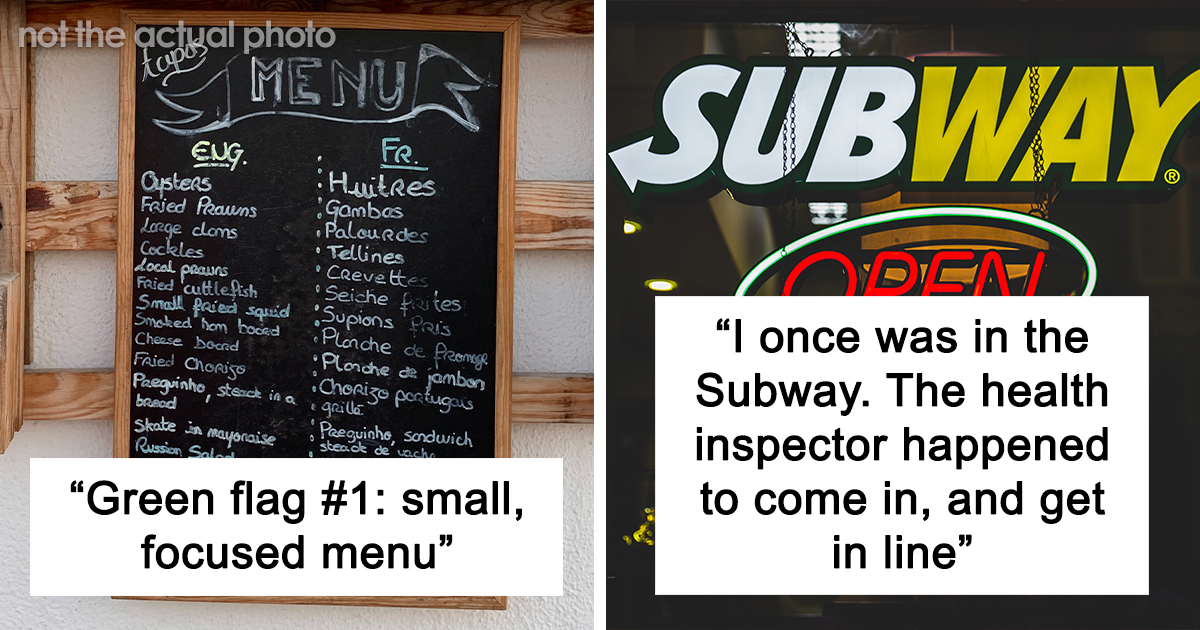
A focused menu is one of the strongest signs of a good restaurant. If a small bistro offers twelve carefully chosen dishes, the kitchen probably knows its strengths. If one menu contains sushi, tacos, fettuccine Alfredo, chicken wings, pancakes, lobster, and “authentic” ramen, someone may be using a freezer as a personality.
5. Seasonal Ingredients Appear Naturally
Seasonality is a quiet green flag. Summer tomatoes, winter squash, spring peas, and fall apples suggest the kitchen thinks about freshness and timing. Seasonal food does not have to be fancy; even a diner offering a good peach pie in July is saying, “We understand joy.”
6. The Specials Sound Intentional
Specials can be wonderfulor suspicious. A good special feels like the chef found great fish, bought beautiful mushrooms, or wanted to test a dish. A questionable special sounds like the kitchen is holding a clearance sale for ingredients that have seen things.
7. The Staff Can Explain the Food
When servers understand the menu, diners notice. They can describe spice level, texture, portion size, substitutions, and favorite dishes without sounding like they are reading a hostage note. Knowledgeable staff usually means training, communication, and a kitchen that knows what it is doing.
8. The Restaurant Is Busy With the Right Crowd
A packed room is not always proof of greatness; people also line up for novelty. But a steady crowd of locals, regulars, families, workers on lunch break, or people who look extremely serious about soup is a promising sign. Repeat customers are the unofficial board of directors.
9. The Pace Feels Controlled
Good restaurants have rhythm. Guests are seated, orders are taken, drinks arrive, food lands hot, tables turn without chaos. Even when busy, the place does not feel like a raccoon is managing the reservation book. Controlled pace suggests strong systems.
10. Plates Passing By Look Consistent
Watch the food going to other tables. Are the plates attractive? Are portions consistent? Are fries crisp? Is the salad alive or emotionally retired? Before your order arrives, the dining room becomes a moving portfolio of the kitchen’s standards.
11. The Bread, Chips, or First Bite Is Good
The opening bite tells you a lot. Warm bread, fresh salsa, crisp pickles, properly seasoned soup, or a thoughtful amuse-bouche says the kitchen cares from the beginning. If the free chips taste like cardboard wearing salt, prepare emotionally.
12. The Menu Descriptions Are Clear
Clear menu writing builds trust. Diners want to know what they are ordering. “Roasted chicken with lemon, herbs, potatoes, and pan jus” is helpful. “A meditation on poultry and memory” is a little much unless the chicken also validates parking.
13. Prices Make Sense
Good food is not always cheap, and cheap food is not always bad. But pricing should match the concept, ingredients, portion size, neighborhood, and service level. A restaurant that charges fine-dining prices while serving sad iceberg lettuce under fluorescent despair may be testing your boundaries.
14. The Kitchen Sounds Productive, Not Panicked
An open kitchen can reveal a lot. Good kitchens are intense but organized. You may hear pans, calls, timers, and focused communication. You should not hear screaming, crashing, or someone yelling “Where is the salmon?” in a tone that suggests the salmon escaped.
15. The Restaurant Handles Allergies Seriously
A strong restaurant treats allergies and dietary needs with care. Staff should know what can be modified, what contains common allergens, and when cross-contact is a concern. A casual “probably fine” is not hospitality; it is a tiny red flag wearing an apron.
16. The Food Arrives at the Right Temperature
Hot food should arrive hot. Cold food should arrive cold. Lukewarm soup, room-temperature fries, and chilled steak are signs of timing problems. Temperature is not just comfort; it is also part of food safety and quality control.
17. The Fryer Oil Tastes Fresh
One French fry can reveal a kitchen’s secrets. Fresh oil produces clean, crisp food. Old oil tastes heavy, bitter, and tired. If the onion rings taste like fish, chicken, and regret all at once, the fryer may be writing its memoir.
18. Simple Dishes Are Done Well
Anyone can hide behind truffle oil and edible flowers. The real test is simple food: eggs, rice, roast chicken, fries, soup, pasta, tortillas, burger patties, or salad dressing. When a restaurant nails the basics, bigger dishes usually stand a chance.
19. Sauces Taste Made, Not Poured
A good sauce has balance: salt, acid, sweetness, fat, heat, and depth. It tastes integrated, not like it came straight from a jug labeled “Restaurant Brown No. 4.” Sauces are where many kitchens reveal technique.
20. Vegetables Get Respect
Great restaurants do not treat vegetables as decorative punishment. They roast them properly, season them well, keep them crisp when needed, and avoid boiling them into surrender. If the vegetables taste good, the kitchen probably understands more than just protein.
21. The Beverage Program Matches the Food
A restaurant does not need a 90-page wine list. But drinks should make sense for the cuisine. Good iced tea, fresh lemonade, thoughtful cocktails, local beer, or well-paired wine can show that the restaurant thinks about the whole meal, not just the main plate.
22. Regulars Are Treated Warmly, Not Exclusively
It is a good sign when staff recognize regulars. It is an even better sign when new guests are welcomed just as warmly. Great hospitality makes everyone feel like they found the right door.
23. The Restaurant Is Clean Without Smelling Like a Pool
Cleanliness matters, but the dining room should not smell like industrial bleach over a plate of pasta. The best restaurants maintain hygiene without making guests feel like they are eating inside a freshly sanitized elevator.
24. The Menu Avoids Trend-Chasing Overload
Trends can be fun. But when every dish is topped with chili crisp, matcha dust, burrata, hot honey, caviar, and a QR-code backstory, diners may suspect confusion. A good restaurant uses trends only when they serve the dish.
25. The Restaurant Owns Its Identity
Good restaurants know what they are. A barbecue joint should smell like smoke and confidence. A ramen shop should care about broth. A neighborhood café should make breakfast feel safe and necessary. Identity creates consistency, and consistency builds trust.
26. Online Reviews Mention Specific Dishes
Generic praise like “great vibes” is nice, but specific praise is stronger. When reviews repeatedly mention the dumplings, brisket, handmade pasta, green curry, or pie crust, that usually points to dishes worth ordering. Specific enthusiasm beats vague applause.
27. Photos Show Real Food, Not Just Lighting Tricks
User photos can be more useful than professional images. If customer photos show crisp crusts, bright herbs, juicy meat, glossy noodles, and food that still looks good under normal lighting, that is promising. If the official photos look magical but guest photos look like a crime scene, trust the civilians.
28. The Staff Seems Proud
Pride is visible. Staff who like the food often recommend it with genuine energy. They may mention what they eat after shift or what the kitchen does especially well. Pride cannot guarantee greatness, but indifference is rarely a seasoning.
29. Problems Are Fixed Gracefully
Even excellent restaurants make mistakes. The real sign is how they respond. If a dish is cold, an order is wrong, or a wait runs long, good restaurants acknowledge it and fix it without drama. Recovery is part of hospitality.
30. The First Bite Makes Everyone Quiet
The ultimate sign is silence. When a table goes from lively conversation to synchronized chewing and eyebrow lifting, the food has won. No rating app can compete with the sacred pause after a perfect bite.
How These Signs Work Together
No single clue tells the whole story. A restaurant can have a small menu and still miss. A busy restaurant can be popular for reasons that have nothing to do with flavor. A spotless dining room can still serve bland food. The smartest diners look for patterns.
For example, a clean bathroom plus a focused menu plus knowledgeable staff plus consistent plates is a strong combination. Add fresh aromas, seasonal specials, and good temperature control, and you are probably in safe hands. On the other side, a huge unfocused menu, stale smells, confused service, and lukewarm food create a warning chorus loud enough to drown out the jazz playlist.
Restaurant quality lives at the intersection of food safety, ingredient care, cooking skill, service systems, and emotional intelligence. The best places do not merely feed people. They make guests feel that someone thought through the details before the fork ever touched the table.
Common Red Flags Diners Notice
Some red flags are obvious: dirty tables, sticky menus, rude service, old smells, visible pests, or food that arrives suspiciously fast from a kitchen claiming everything is made from scratch. Others are subtler.
A menu with too many unrelated cuisines can suggest the kitchen is stretched thin. A dining room full of uncleared tables may point to staffing problems. Overly complicated dish descriptions can sometimes hide weak execution. A server who cannot answer basic questions may not have been trained. A restaurant that ignores complaints may care more about turnover than trust.
Of course, diners should allow room for context. A slammed Saturday night is different from a quiet Tuesday lunch. A tiny family restaurant may not have polished service, but it may have spectacular food. A new restaurant may still be finding its rhythm. The goal is not to become a joyless inspector with a fork. The goal is to notice clues without losing the fun of discovery.
What Great Restaurants Usually Understand
Great restaurants understand that flavor begins before cooking. It starts with sourcing, storage, preparation, and training. Ingredients must be fresh and handled properly. Cooks need systems. Servers need knowledge. Managers need standards. Guests need to feel comfortable enough to relax and hungry enough to order dessert.
They also understand restraint. Not every plate needs fifteen components. Not every burger needs a tower of toppings that requires structural engineering. Not every dessert needs smoke, foam, and a dramatic explanation. Sometimes excellence is a perfect roast chicken, a bowl of noodles with deep broth, or a taco so good people briefly consider moving closer.
Extra Experience Section: Restaurant Clues From Real-Life Dining Adventures
After years of eating in restaurants ranging from polished dining rooms to tiny counter-service spots where the menu is taped to the wall, one lesson stands out: the best meals often announce themselves quietly. Not with fireworks, not with a celebrity chef photo by the entrance, and not with a host asking if you are “ready for a journey.” They announce themselves through small, confident details.
One of the strongest personal green flags is watching how a restaurant handles a rush. A packed restaurant can go two ways. In one version, the room buzzes with energy, servers move with purpose, and dishes keep landing like a well-rehearsed parade. In the other version, everyone looks haunted, the host stand becomes a negotiation chamber, and your appetizer arrives after your main course as if time itself got confused. A good restaurant may be busy, but it rarely feels abandoned by leadership.
Another memorable clue is how staff talk about the food when they are not performing a script. Ask, “What would you order if you were eating here tonight?” A great answer is usually specific: “The short rib is excellent today,” or “The kitchen just changed the mushroom toast, and it is really good.” A weak answer is vague: “Everything is popular.” Everything cannot be popular. Even democracy has limits.
Menus also reveal personality. Some of the most enjoyable restaurants have menus that feel edited. You can sense that someone made decisions. They did not include a dish just because every competitor has one. They did not add a trendy ingredient just to look modern. They built a menu around what they can execute well. That confidence is comforting.
Then there is the first bite test. A small thing like salad dressing can predict the whole meal. If the dressing is balanced, the greens are dry and crisp, and the seasoning is right, someone in the kitchen is paying attention. If the salad is wet, cold, bland, and topped with one exhausted tomato wedge, it may be time to lower expectations and protect the fries.
Food temperature is another unforgettable clue. Once you have had truly hot soup, sizzling fajitas, crisp fried chicken, or pasta served at the exact moment sauce and noodle become best friends, it becomes hard to accept lukewarm food. Timing is a skill. It shows communication between cooks, expediters, and servers. When food lands at the right temperature, the restaurant is doing more behind the scenes than guests can see.
The best restaurants also recover well from mistakes. A wrong order does not ruin a meal by itself. A careless response does. When staff fix problems with honesty and speed, guests often leave with more respect than if nothing had gone wrong. Hospitality is not perfection; it is care under pressure.
Finally, the most reliable sign may be emotional: do people look happy to be there? Not just customers taking photos, but staff, regulars, cooks, and the person wiping down the counter. Good restaurants create a shared mood. You feel fed before you are full. And when the check arrives, instead of calculating regret, you start planning what to order next time.
Conclusion
Knowing whether a restaurant is going to be good is part observation, part experience, and part delicious gamble. Cleanliness, focused menus, fresh smells, confident staff, seasonal ingredients, smart service, and consistent plates all help diners make better choices before the first bite. These signs do not guarantee perfection, but they raise the odds.
The next time you walk into a restaurant, look around. Notice the entrance, the menu, the staff, the smells, the tables, the regulars, and the food passing by. You do not need to be a professional critic to read the room. You just need curiosity, a little common sense, and maybe a healthy suspicion of any menu that serves sushi, barbecue, waffles, and lobster mac under one roof.
Note: This article synthesizes practical diner observations with recognized restaurant-quality principles, including cleanliness, safe food handling, menu focus, hospitality, ingredient quality, and consistency.